Category: Work

  • Weight of It All

    Weight of It All

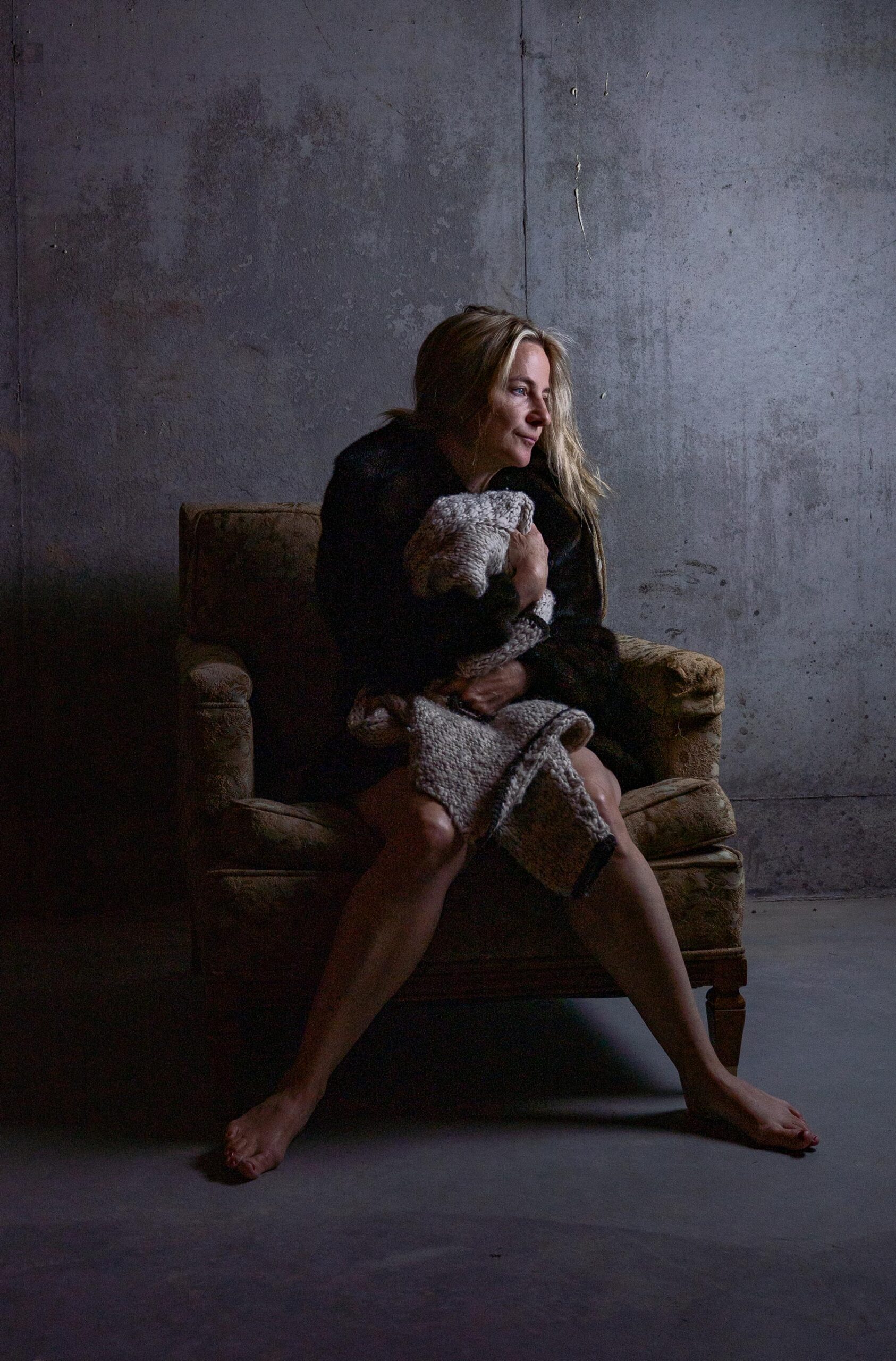
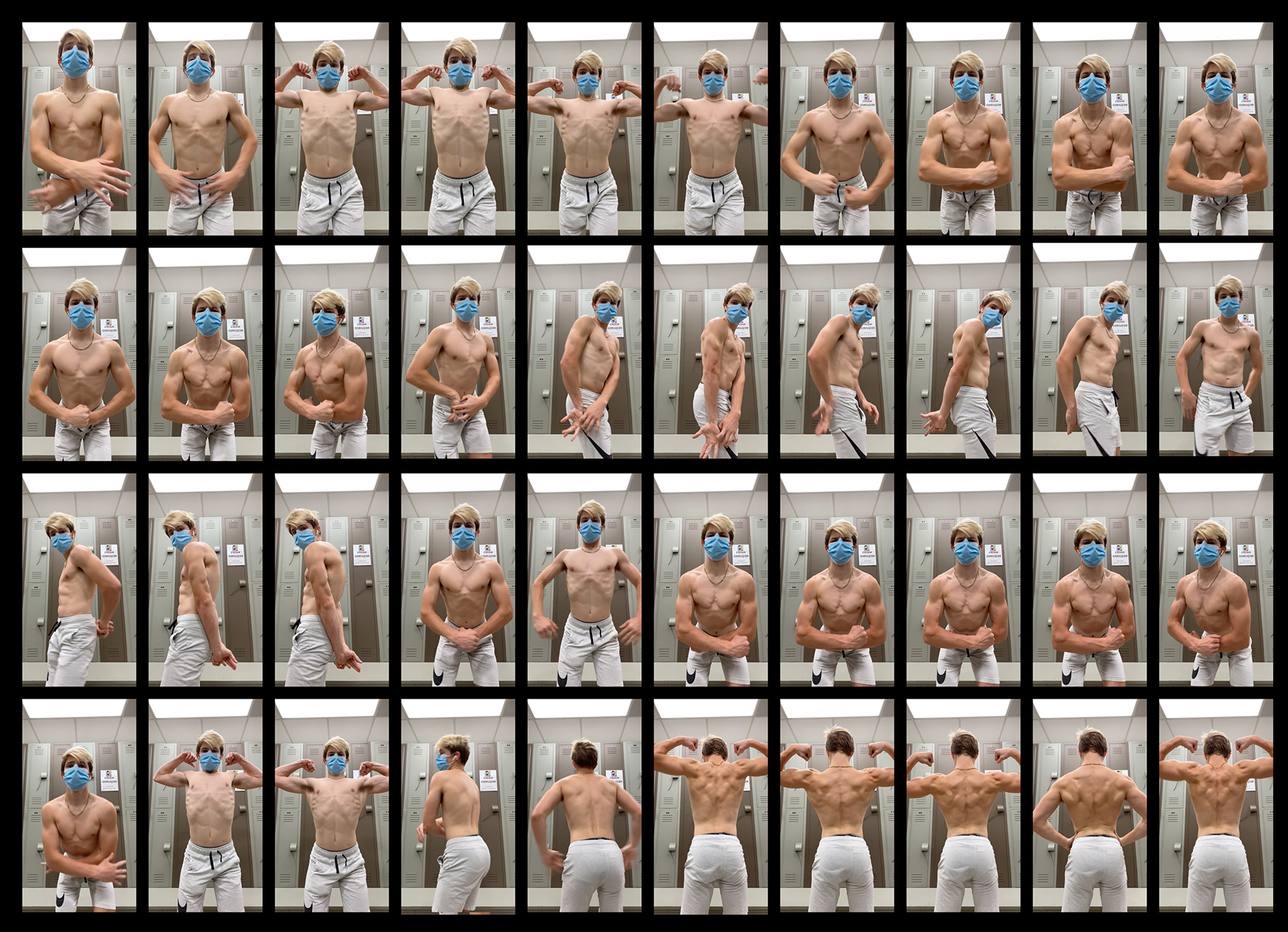
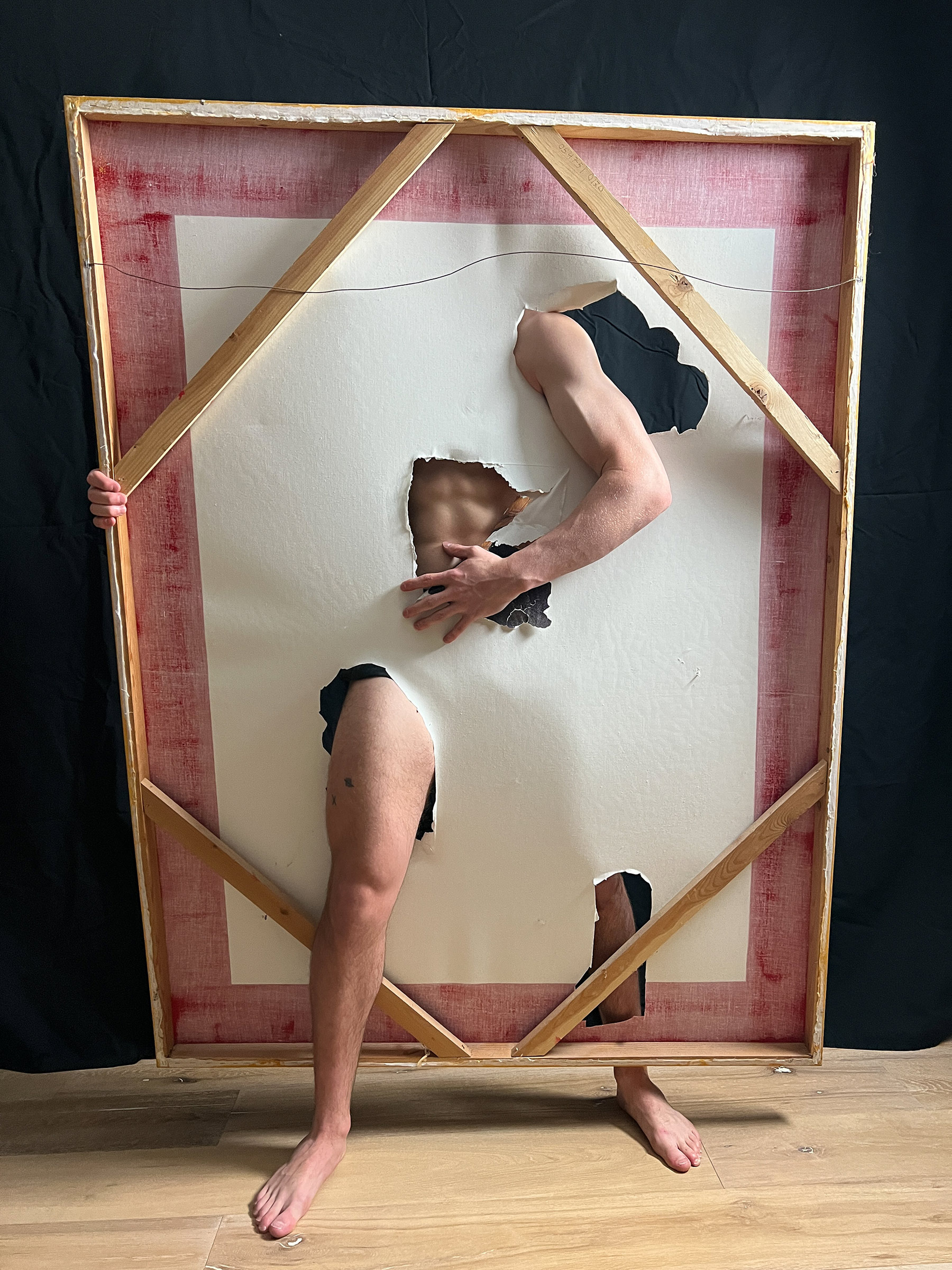
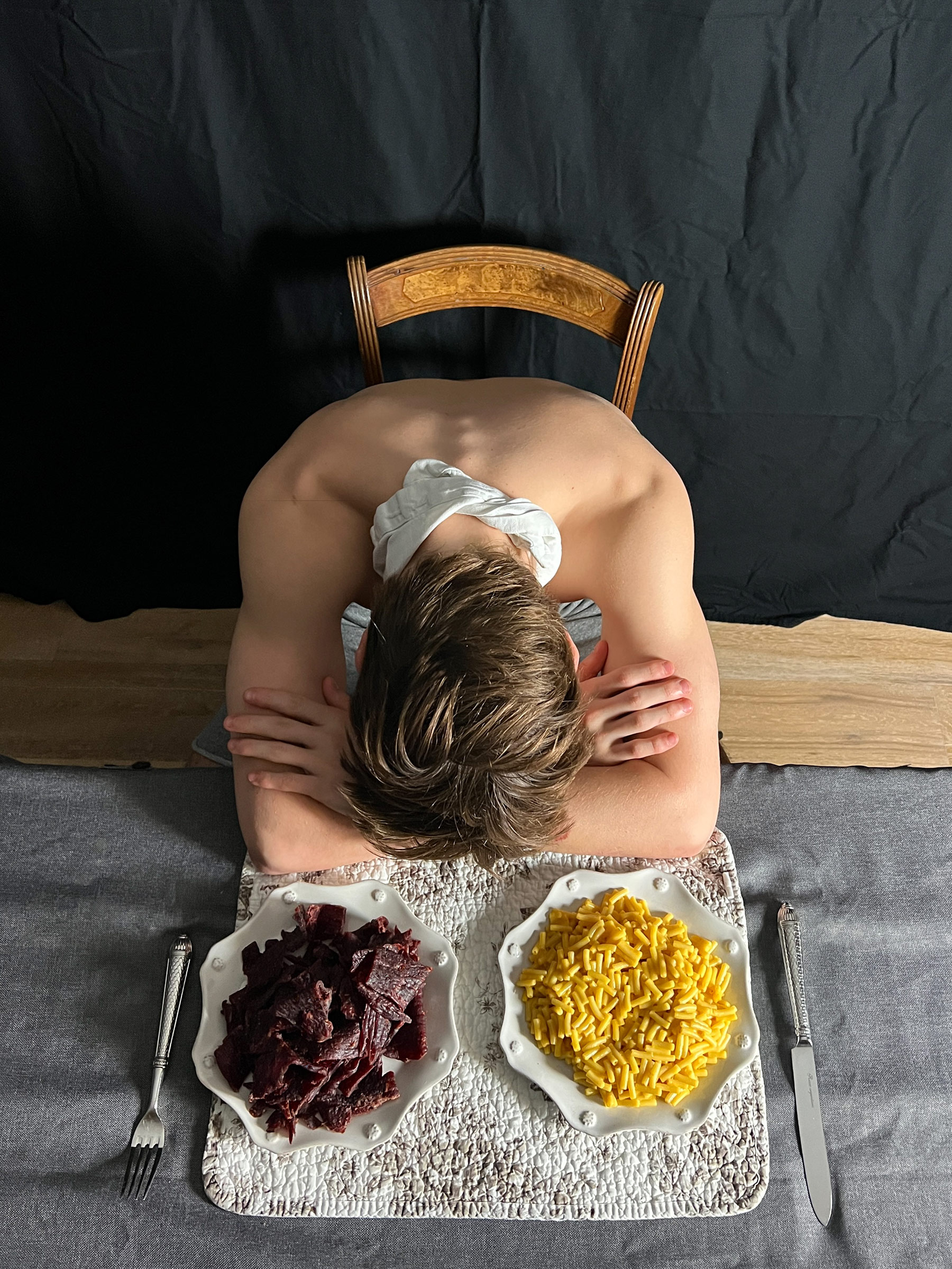
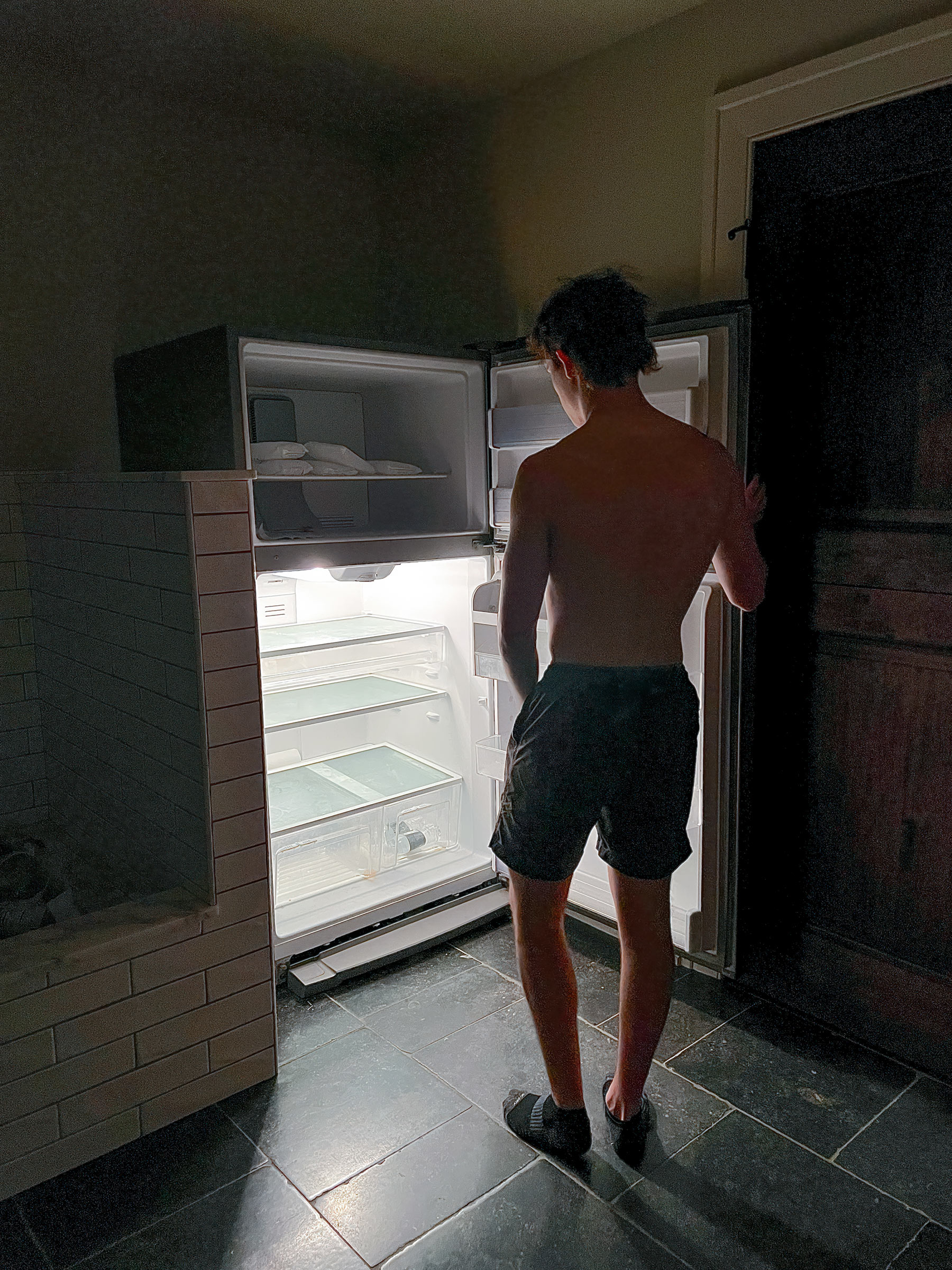
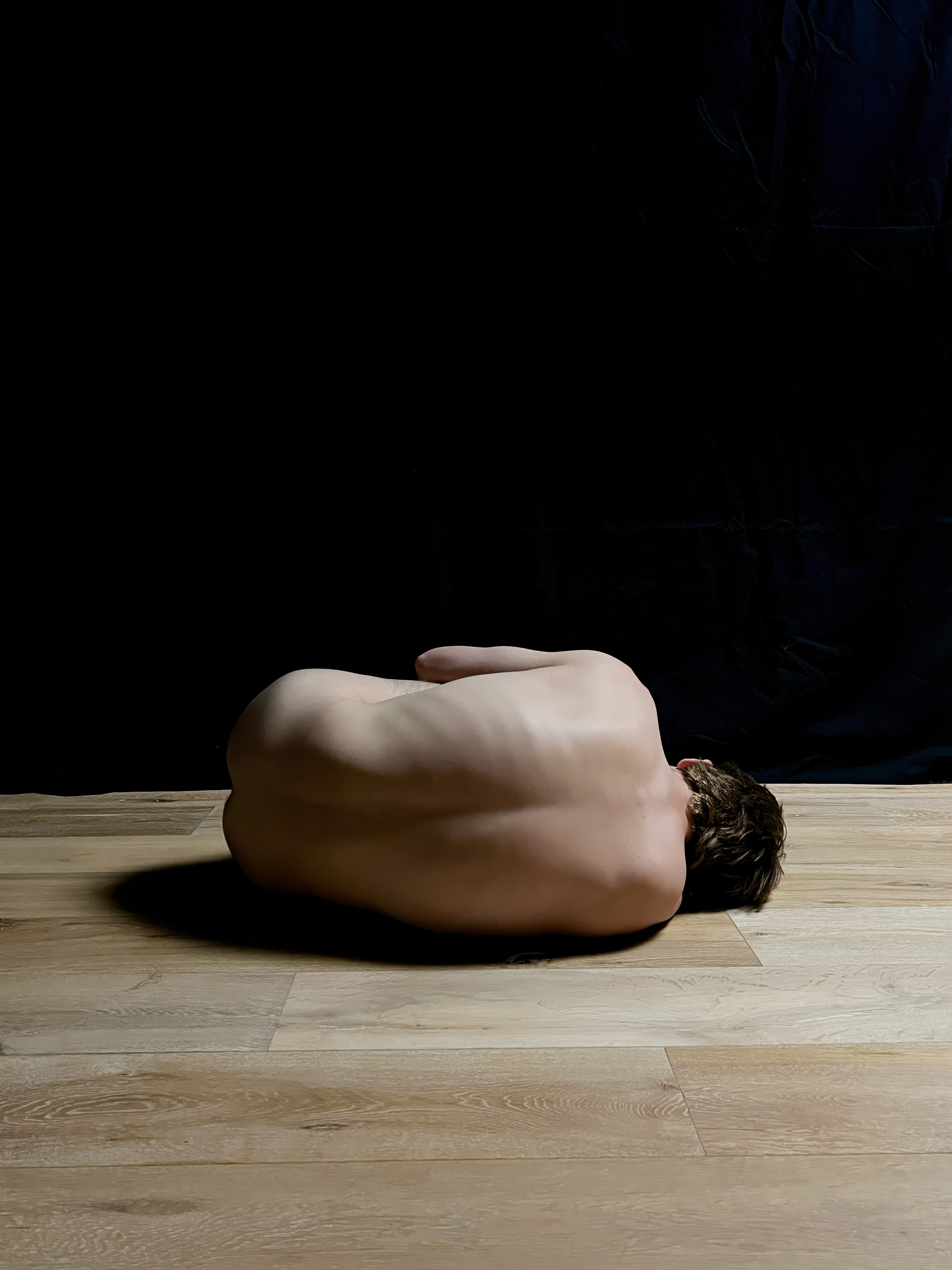
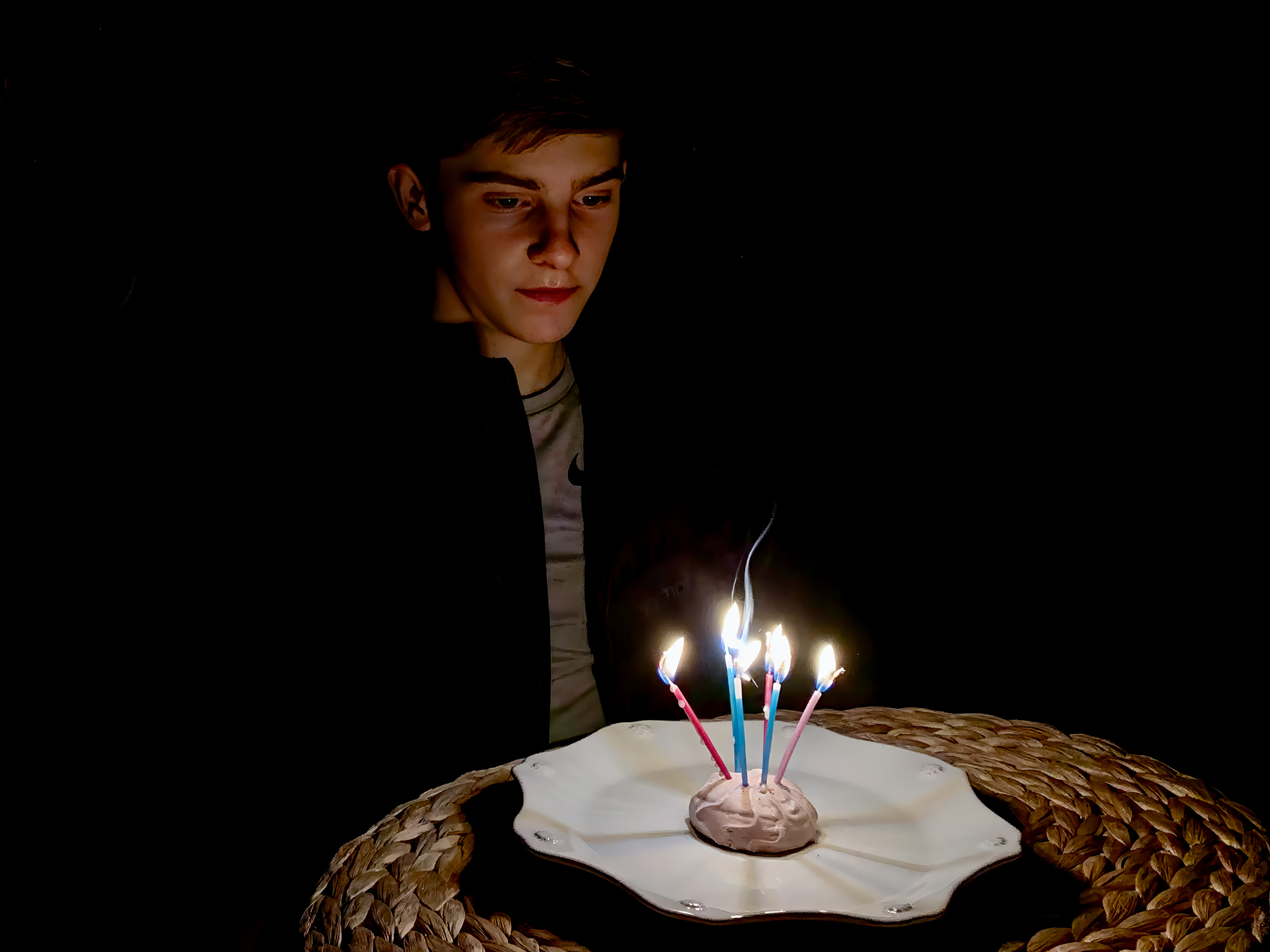
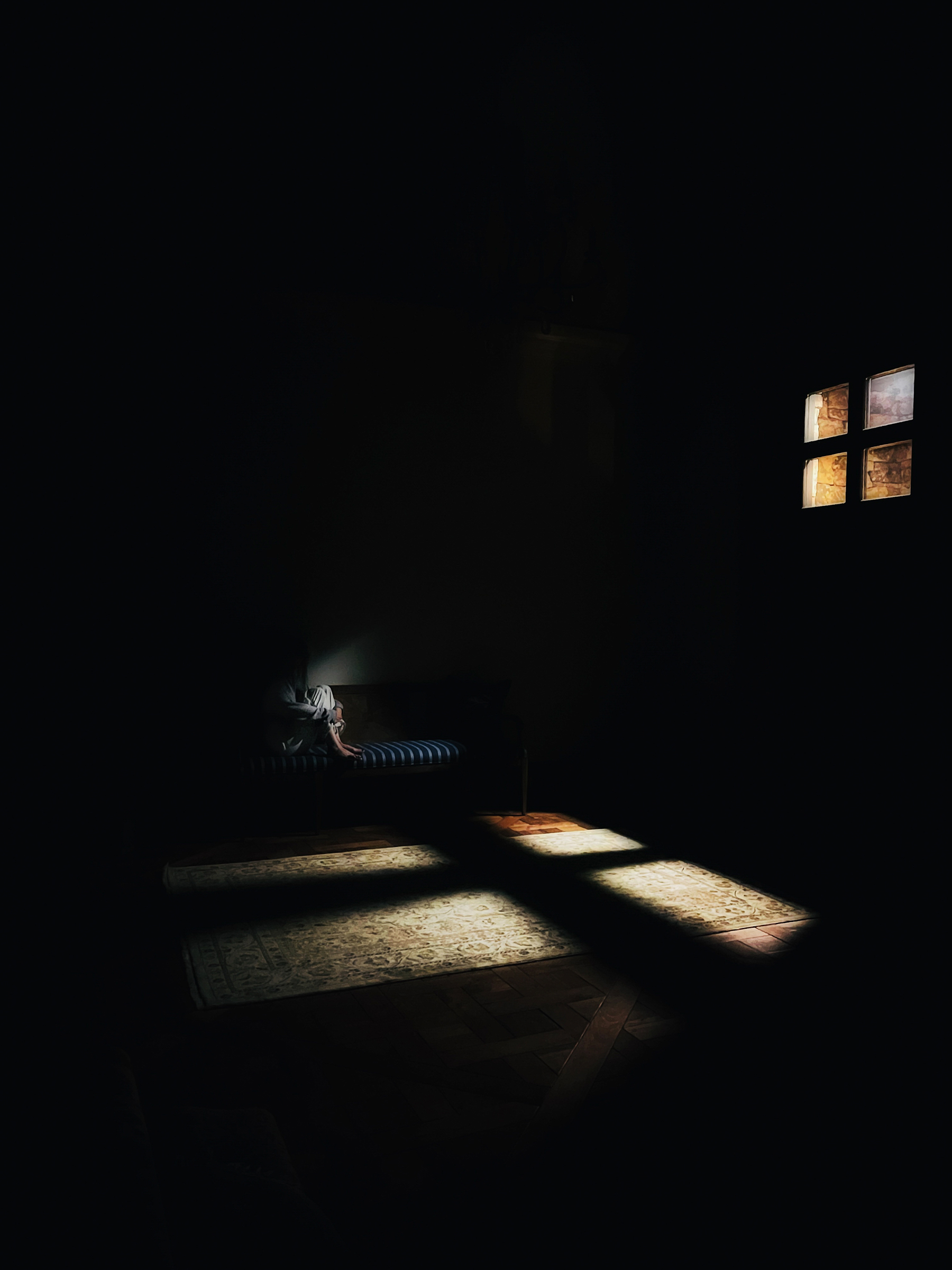
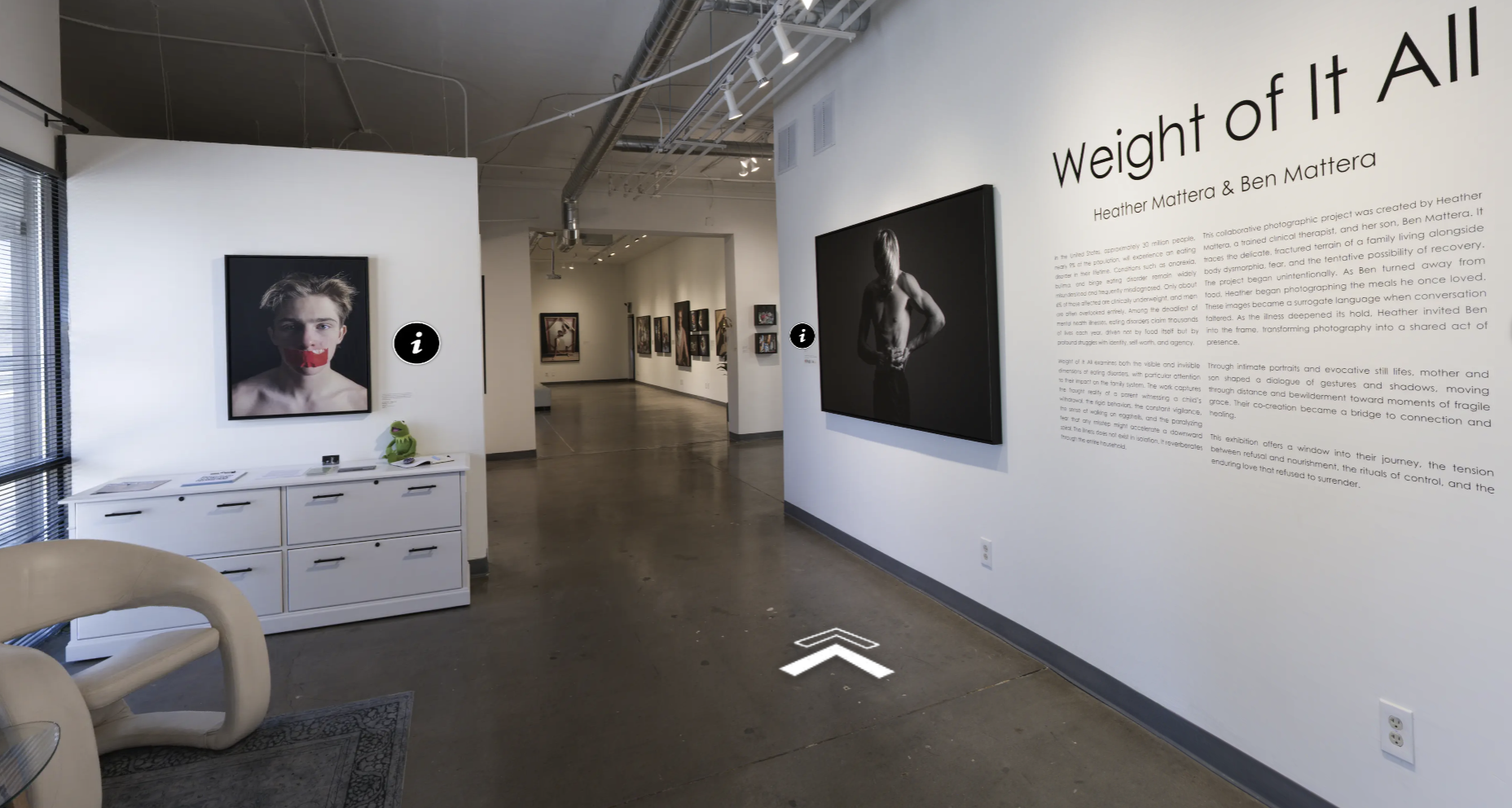
    This project, co-created with my son explores our shared experience with disordered eating. As a mother, I feared my son might struggle like I did, but watching him transform from a carefree teen into someone overly focused on calories, muscle mass and body weight left me questioning my role. Through intimate black-and-white portraits, we document his anxiety and depression, alongside my own feelings of helplessness. Over seven years, this collaboration became a way for us to communicate our pain and encourage others to feel seen and understood.

    To take a virtual tour of Weight of It All at CENTER Santa Fe 2026, click here.

  • Diary of Locust Hills

    Diary of Locust Hills

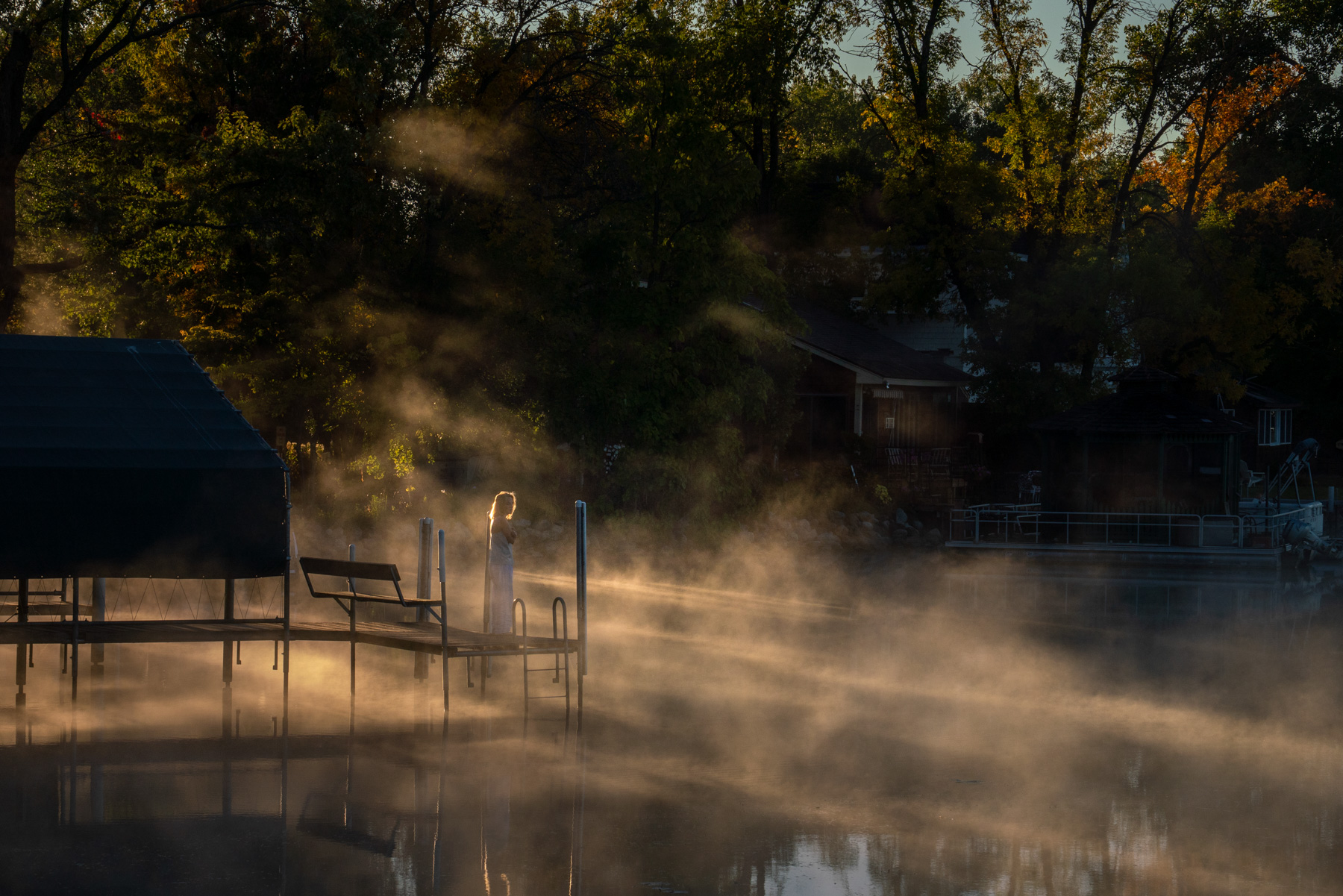
    Locust Hills is a neighborhood that sits on the shore of Lake Minnetonka.

    Like the rest of the Lake Minnetonka area, Locust Hills is part of the homeland of the Dakota (Eastern Dakota/Santee), especially the Mdewakanton band. The Dakota name for the lake, Mní iá Tháŋka (“Big Water”), reflects their long relationship with it. For generations, these lands were used for seasonal camps, wild rice harvesting, fishing grounds, and as part of a travel corridor leading toward the Mississippi River. The wetlands near what is now Locust Hills were an important part of that route, supporting both travel and subsistence.

    Walking these same paths today, I’m mindful of this layered history and the generations who once moved through this land. It is this awareness that shapes how I see and photograph here—not as untouched wilderness, but as a living place carrying memory and meaning.

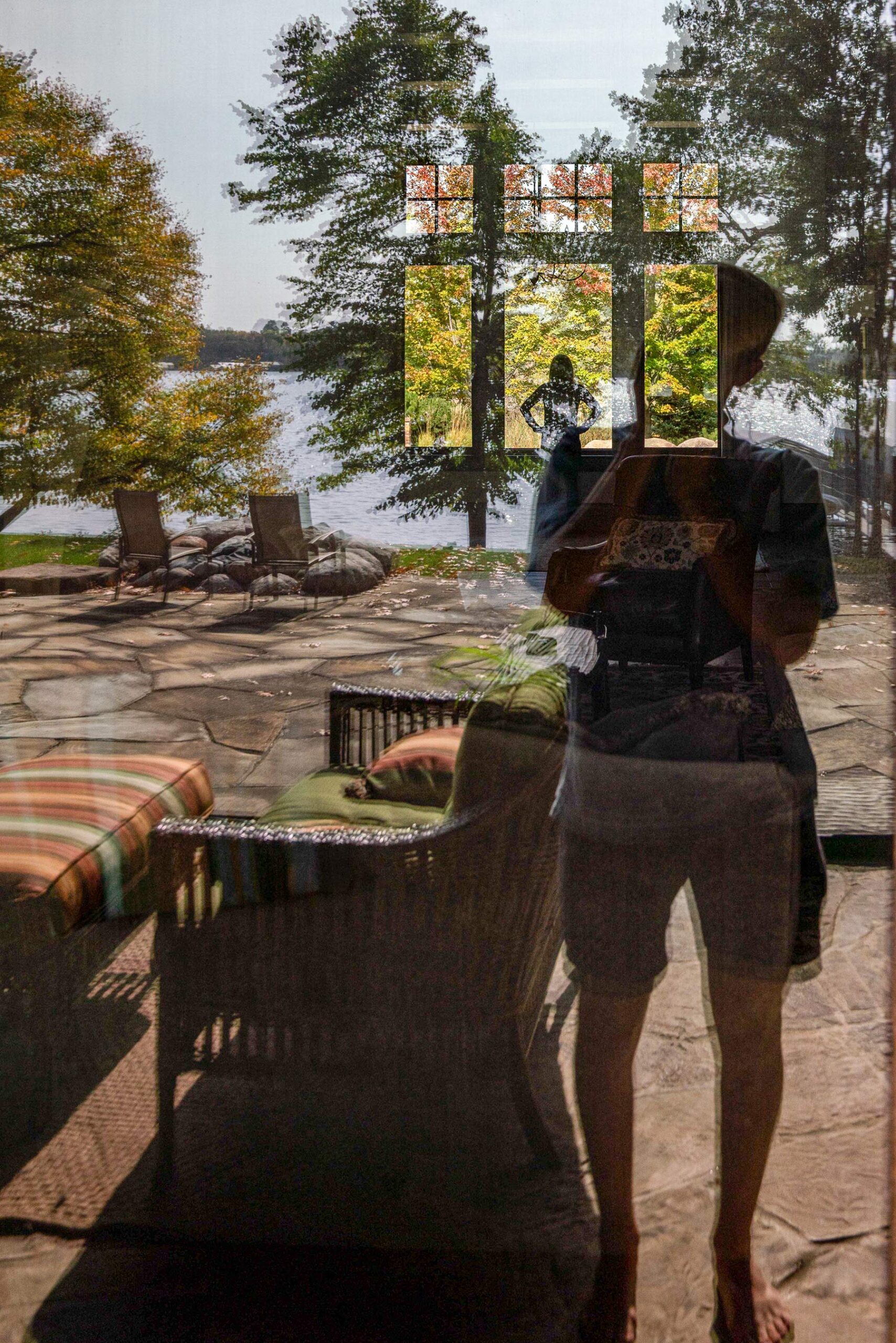
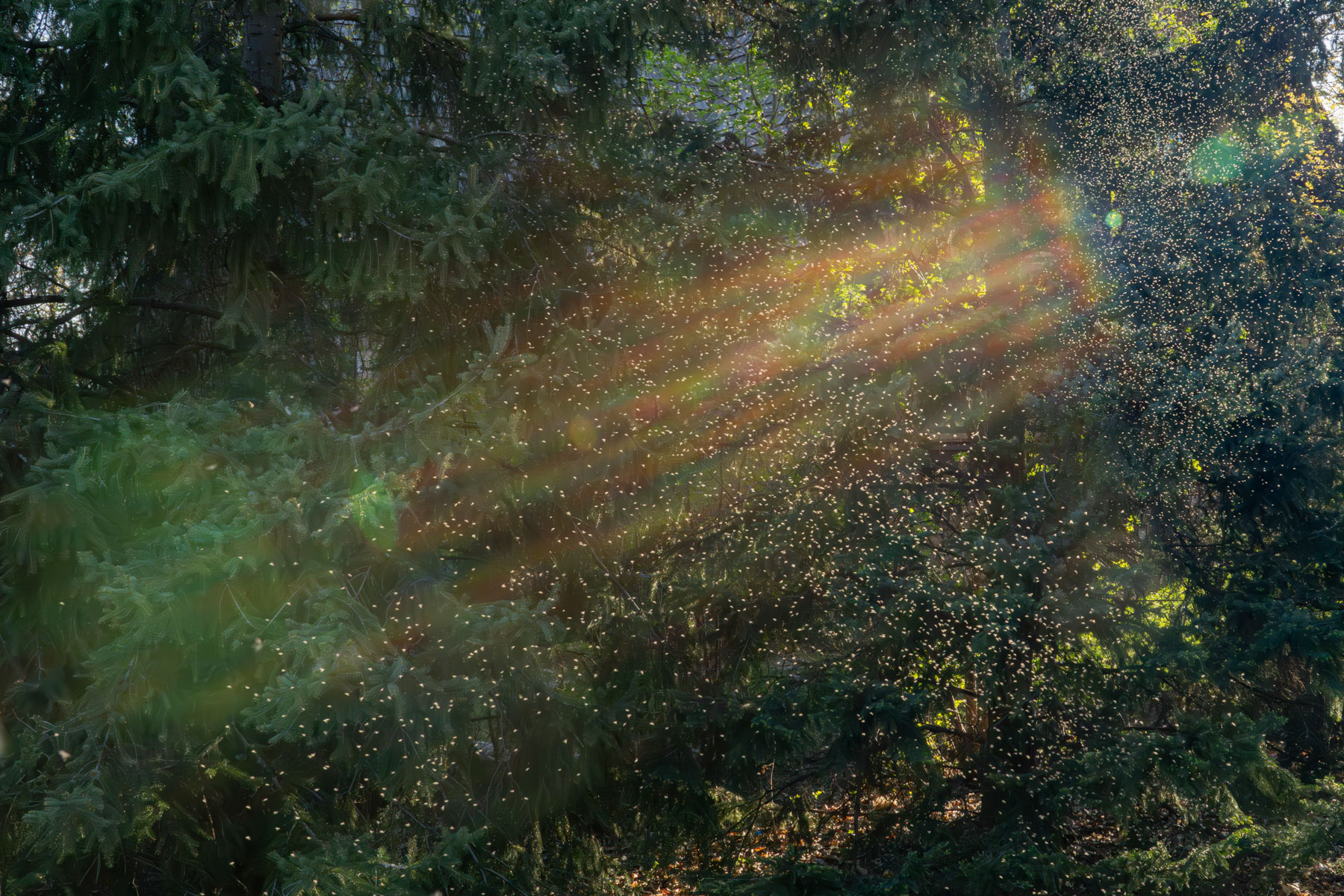
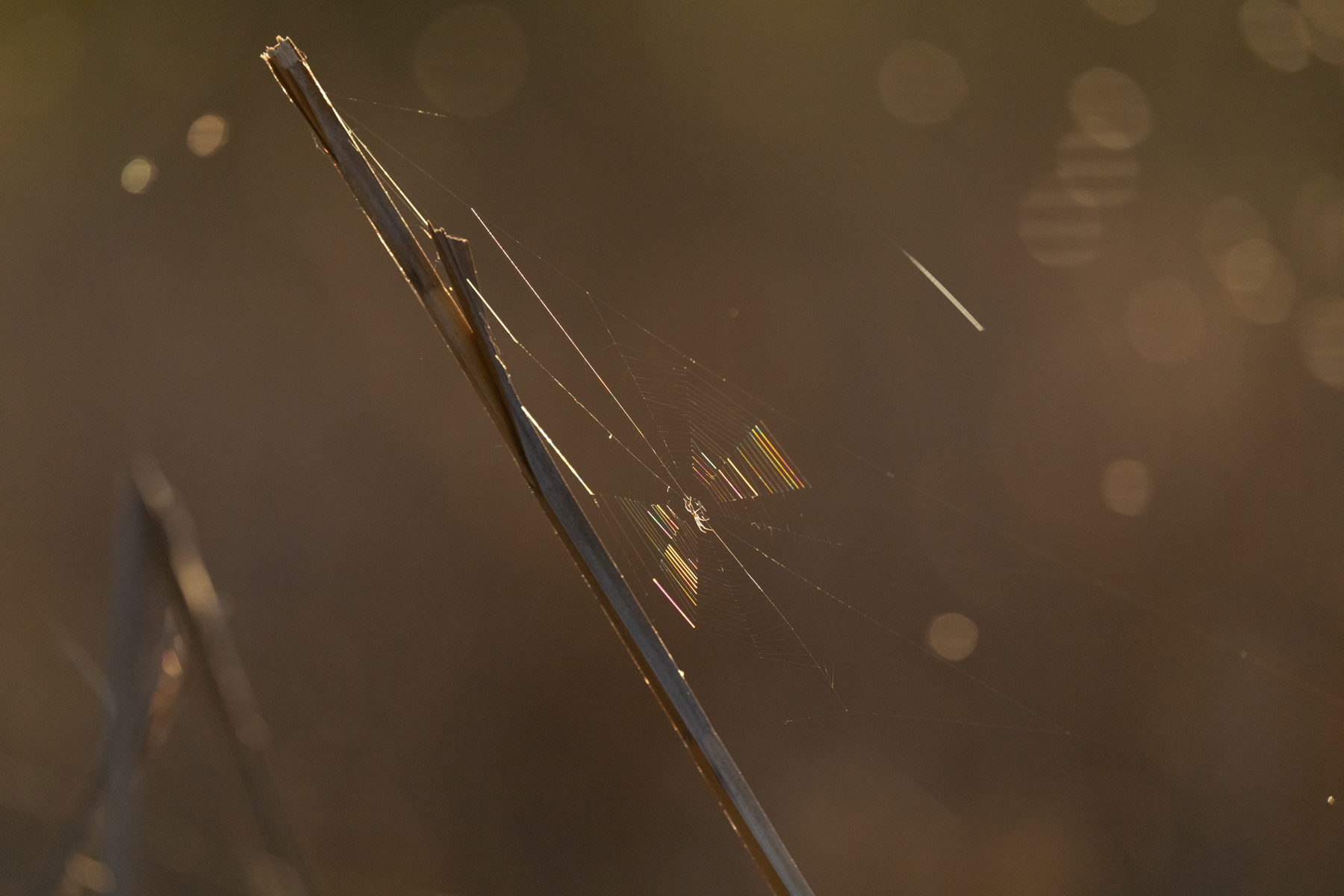
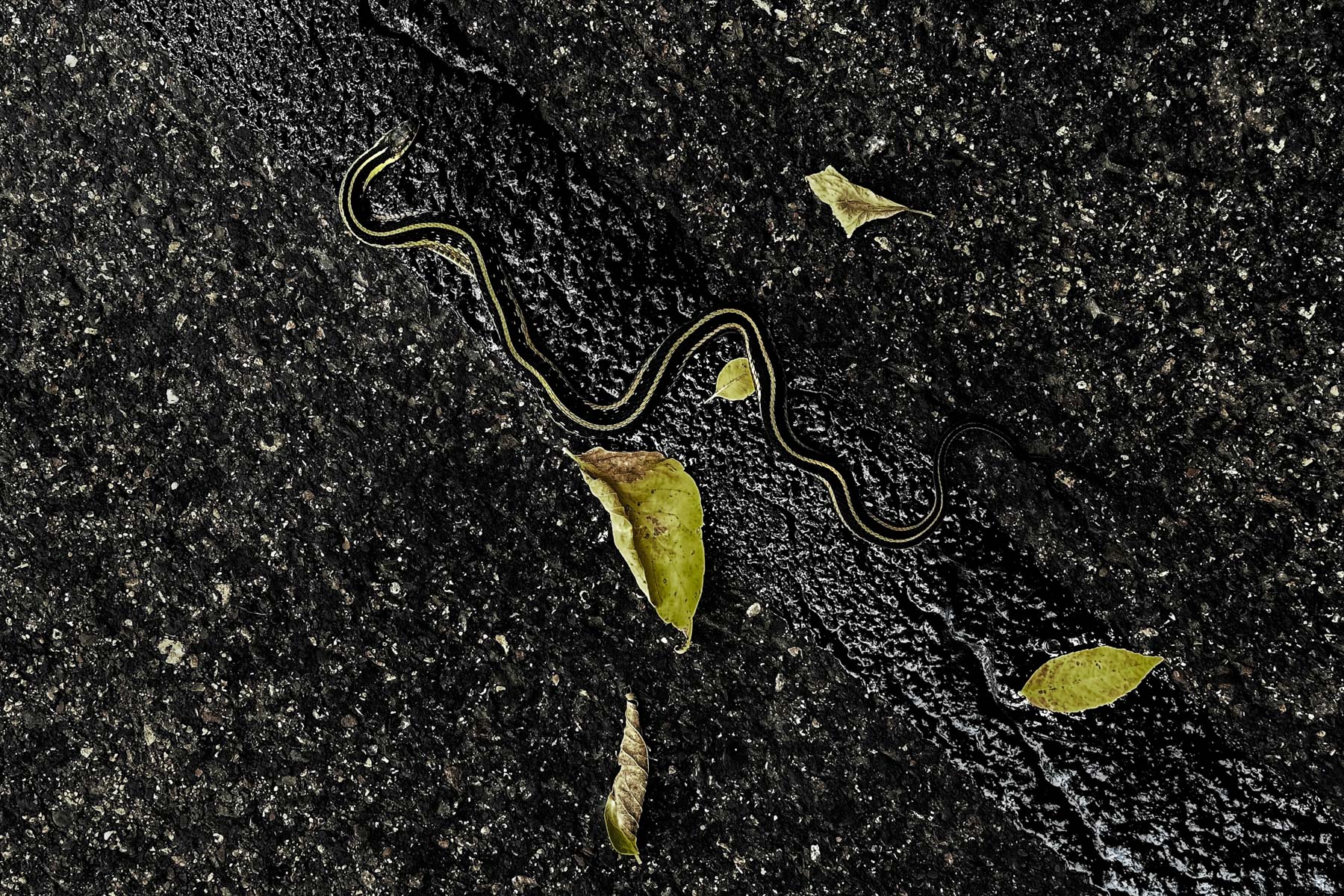
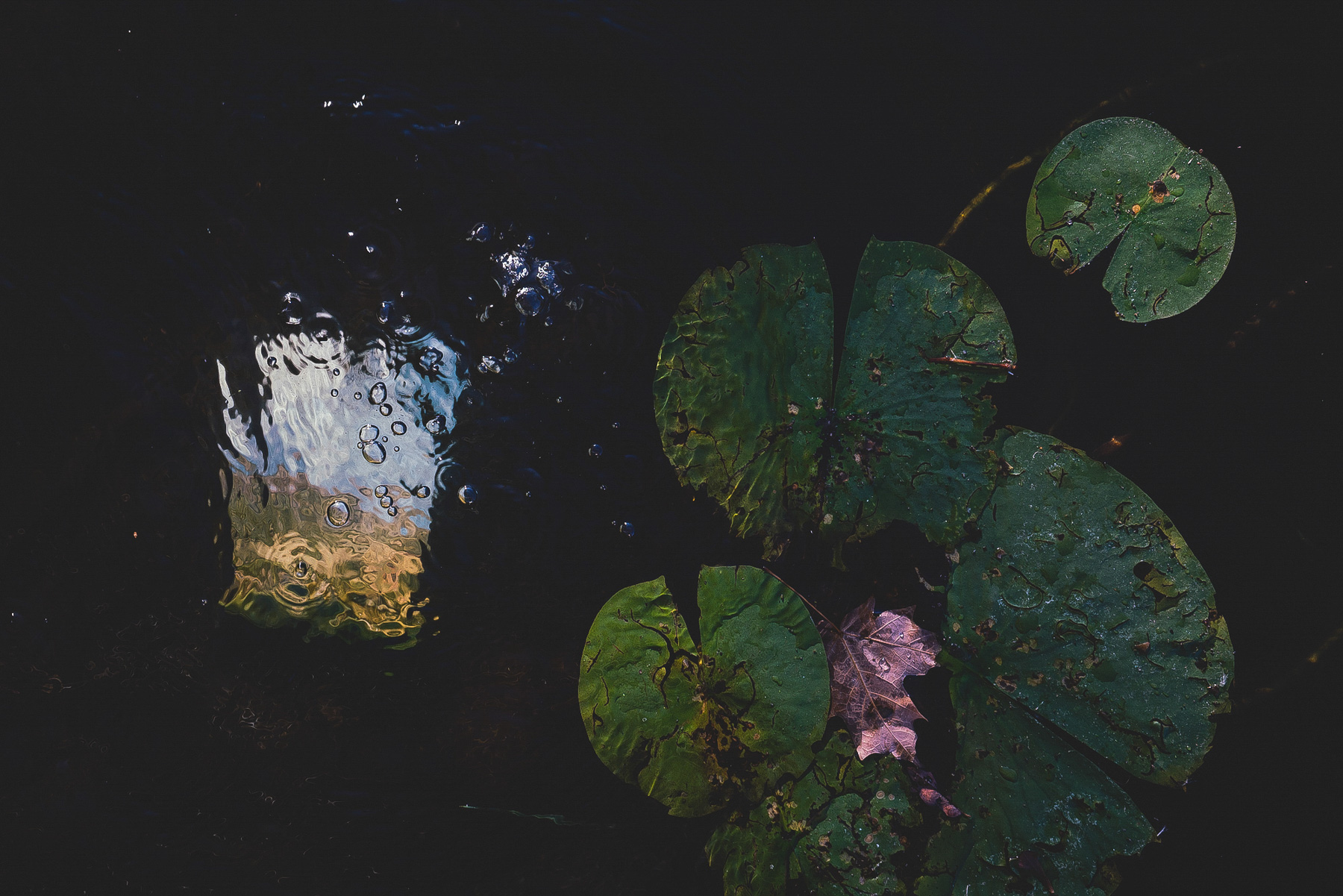
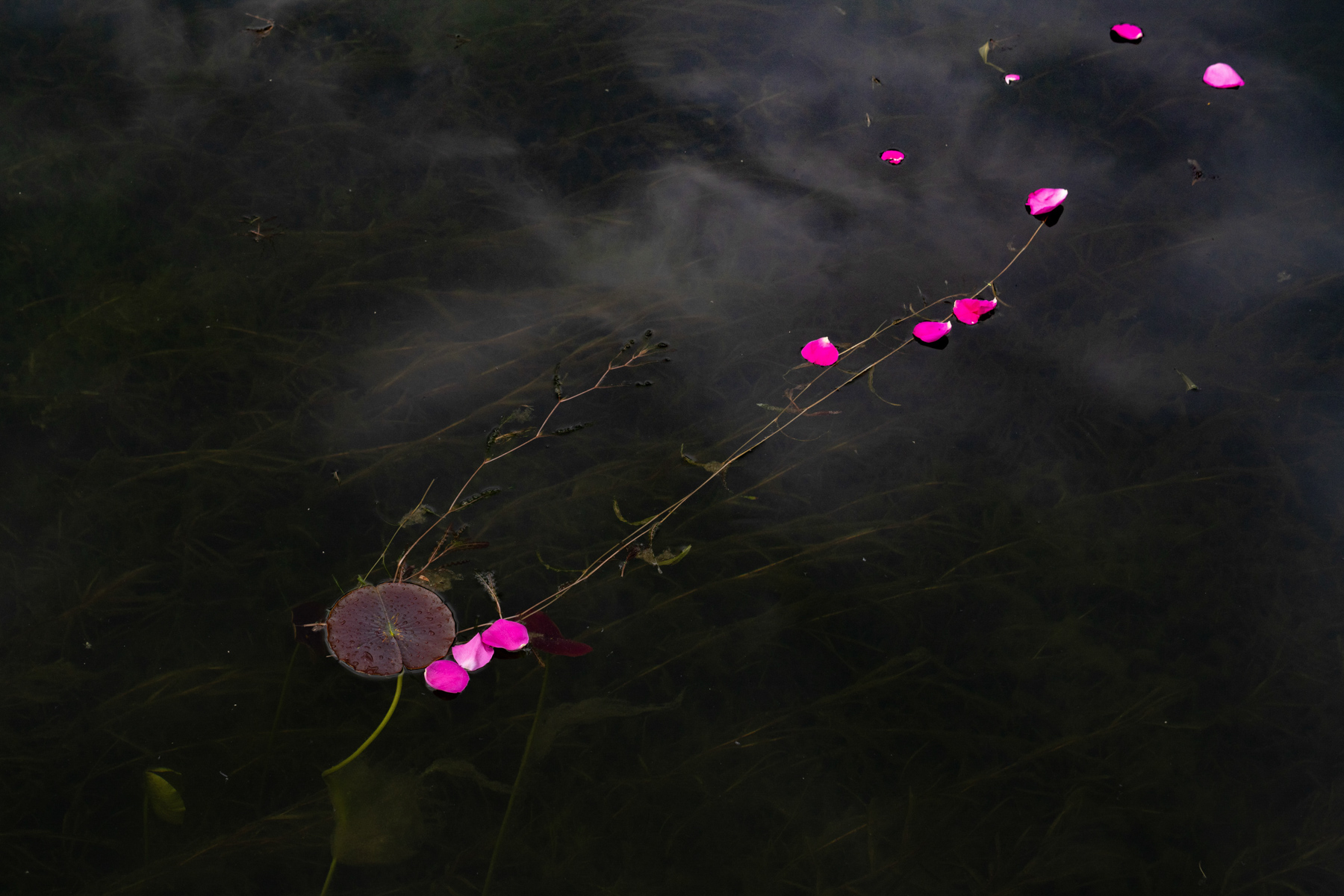
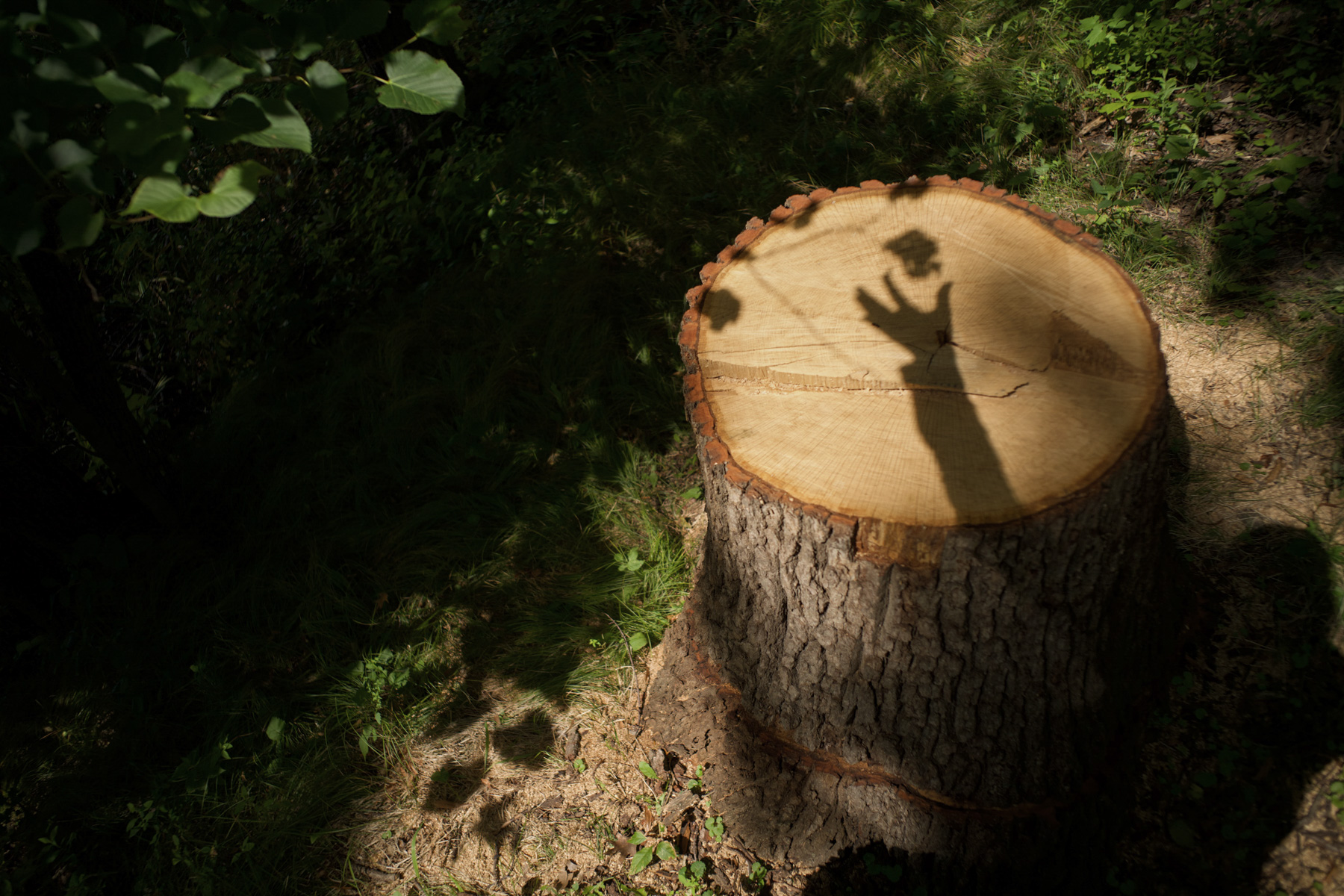
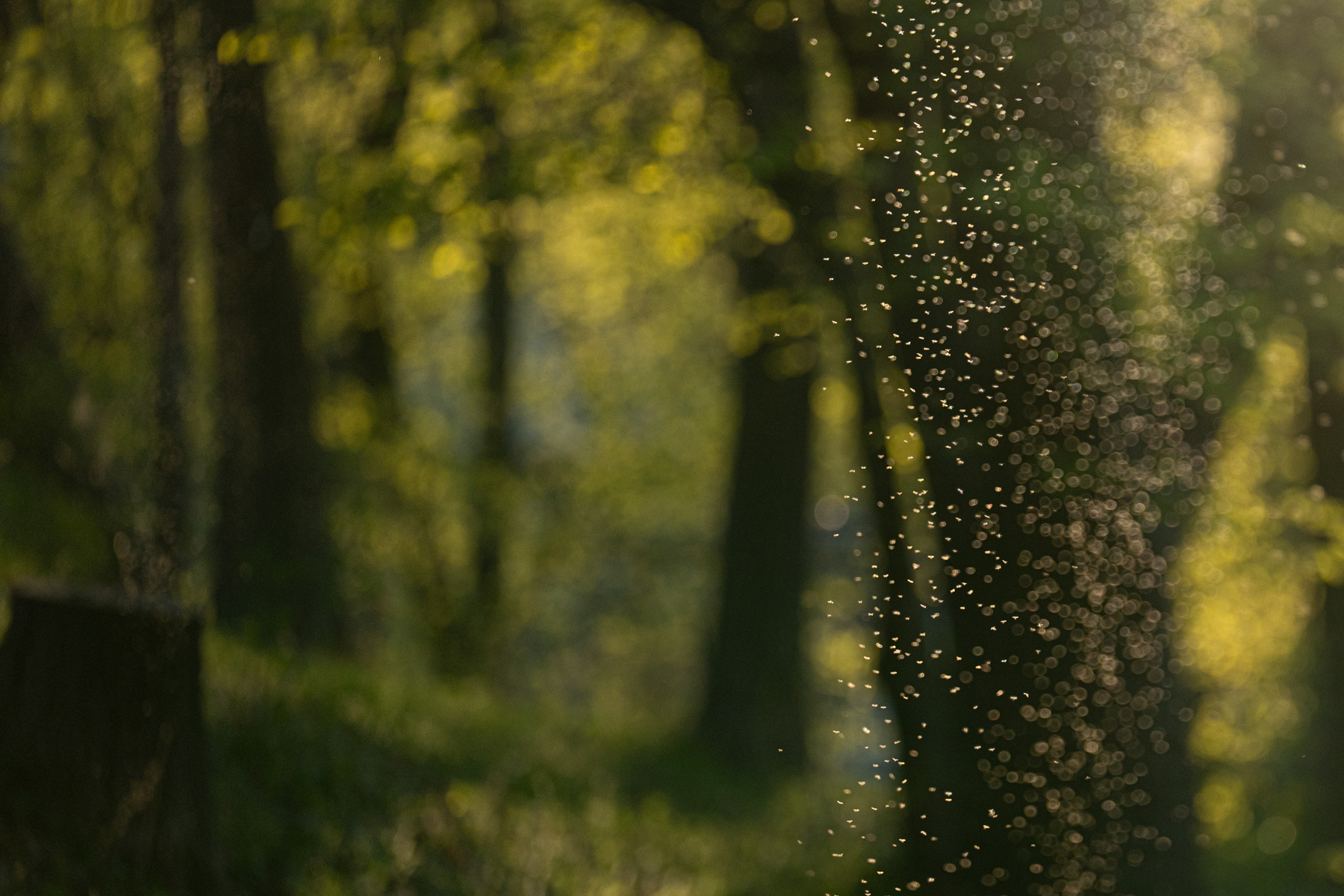
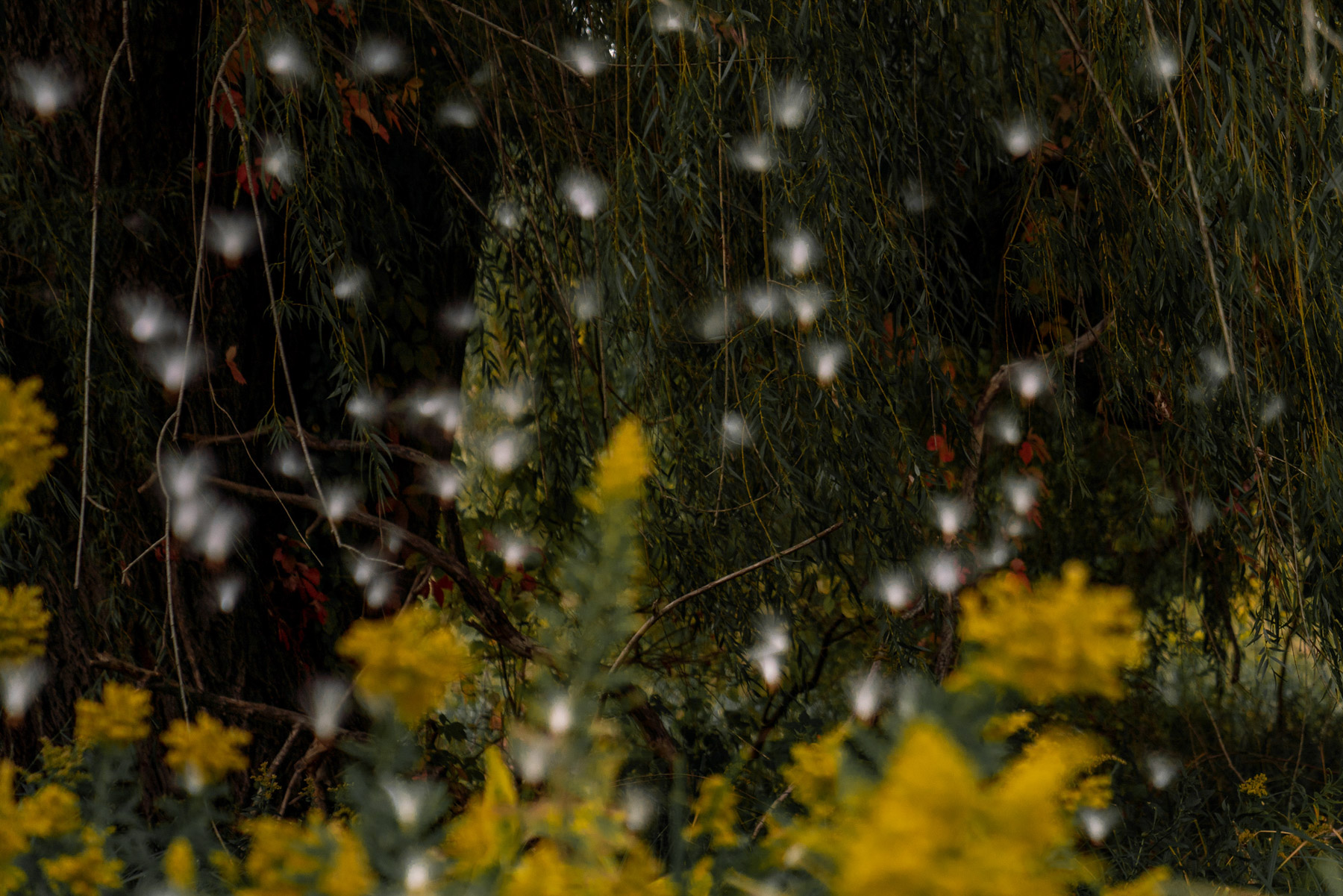
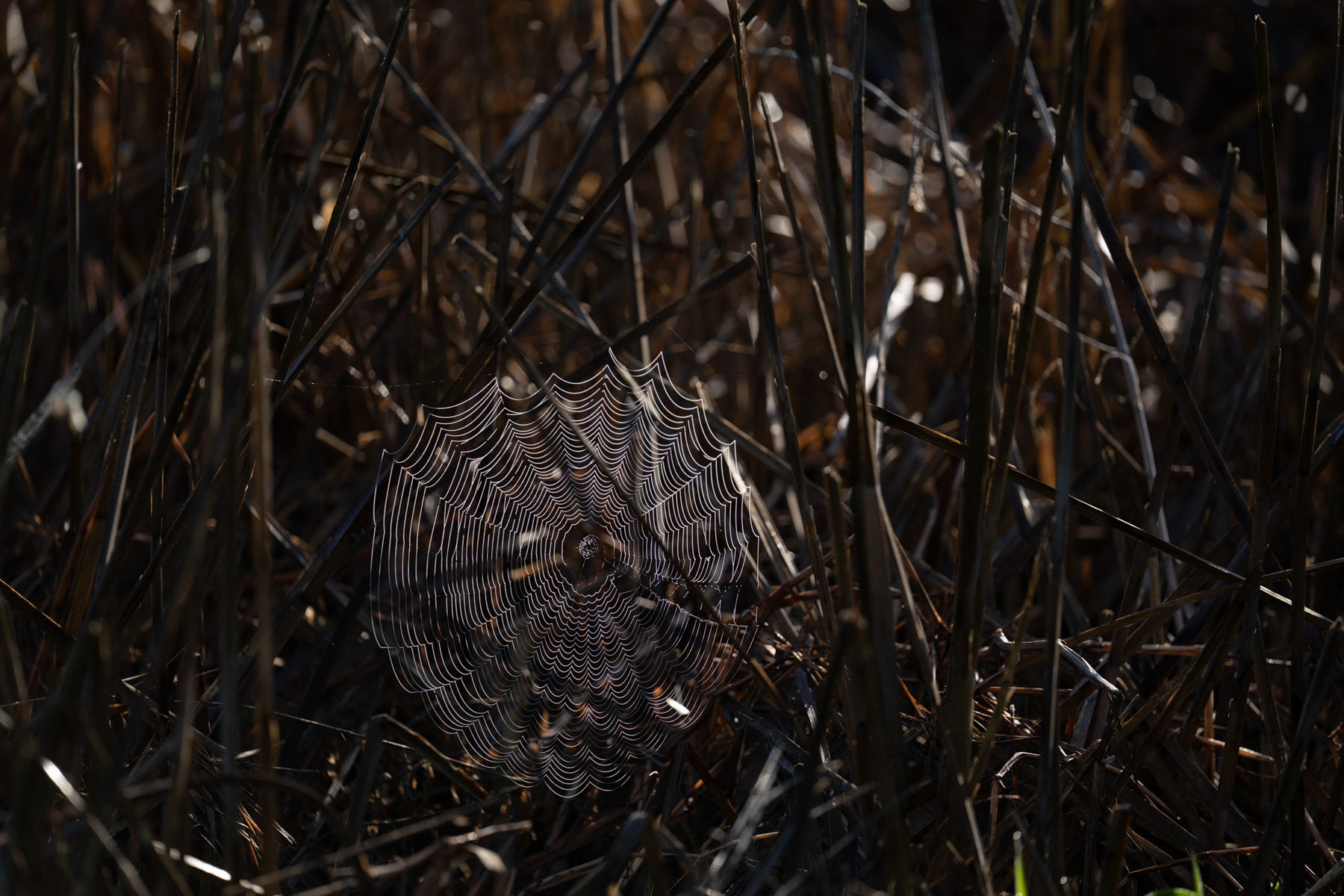
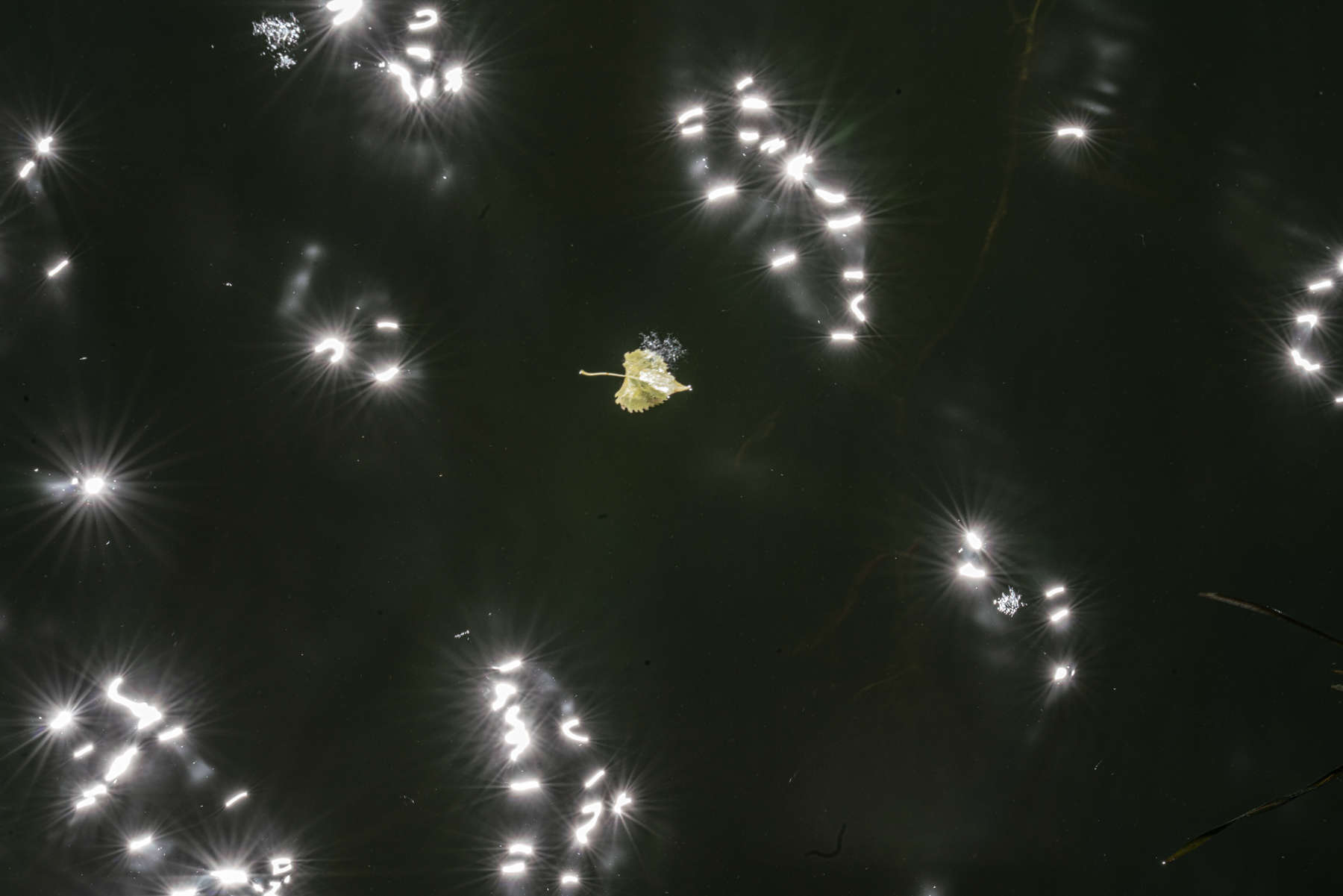
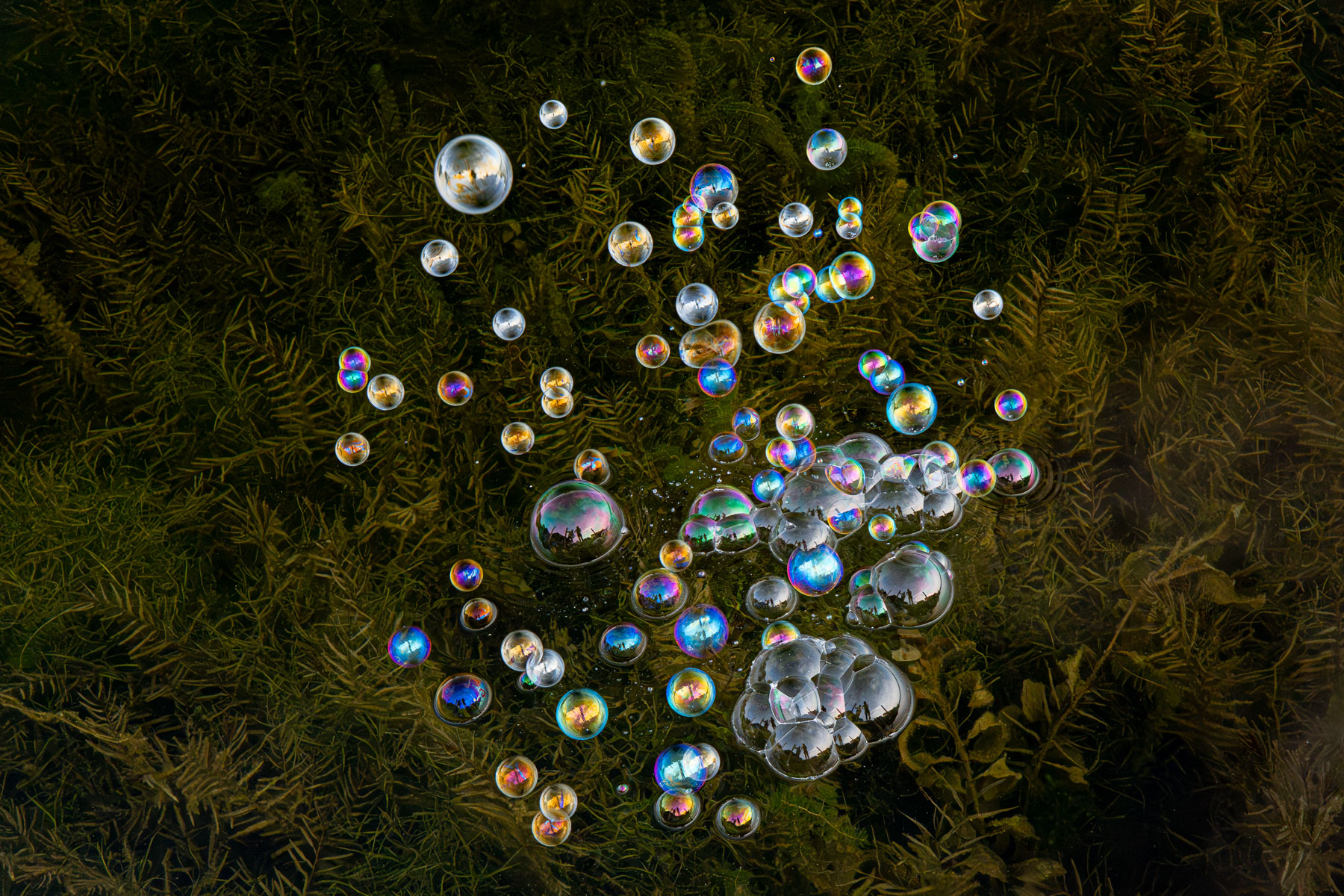
    This series of twelve photographs was created along a walking path near my home in Locust Hills—a place where light, shadow, and color shaped quiet moments of discovery. From a cobweb glistening in the sun to mayflies caught in backlight, from lily pads scattered with rose petals to the shifting greens and yellows of the landscape, the images trace the delicate balance of presence and pause.

    The path became a space of reflection, bordered by preserved native grasses, flowers, trees, and birds—a pocket of nature woven into the city. These photographs speak to the healing power of time outdoors, and to the need to protect and honor the natural world. In doing so, we safeguard not only land and wildlife, but also our own well-being and our sense of belonging to something greater than ourselves.


  • Anthropomorphic Gaze

    Anthropomorphic Gaze

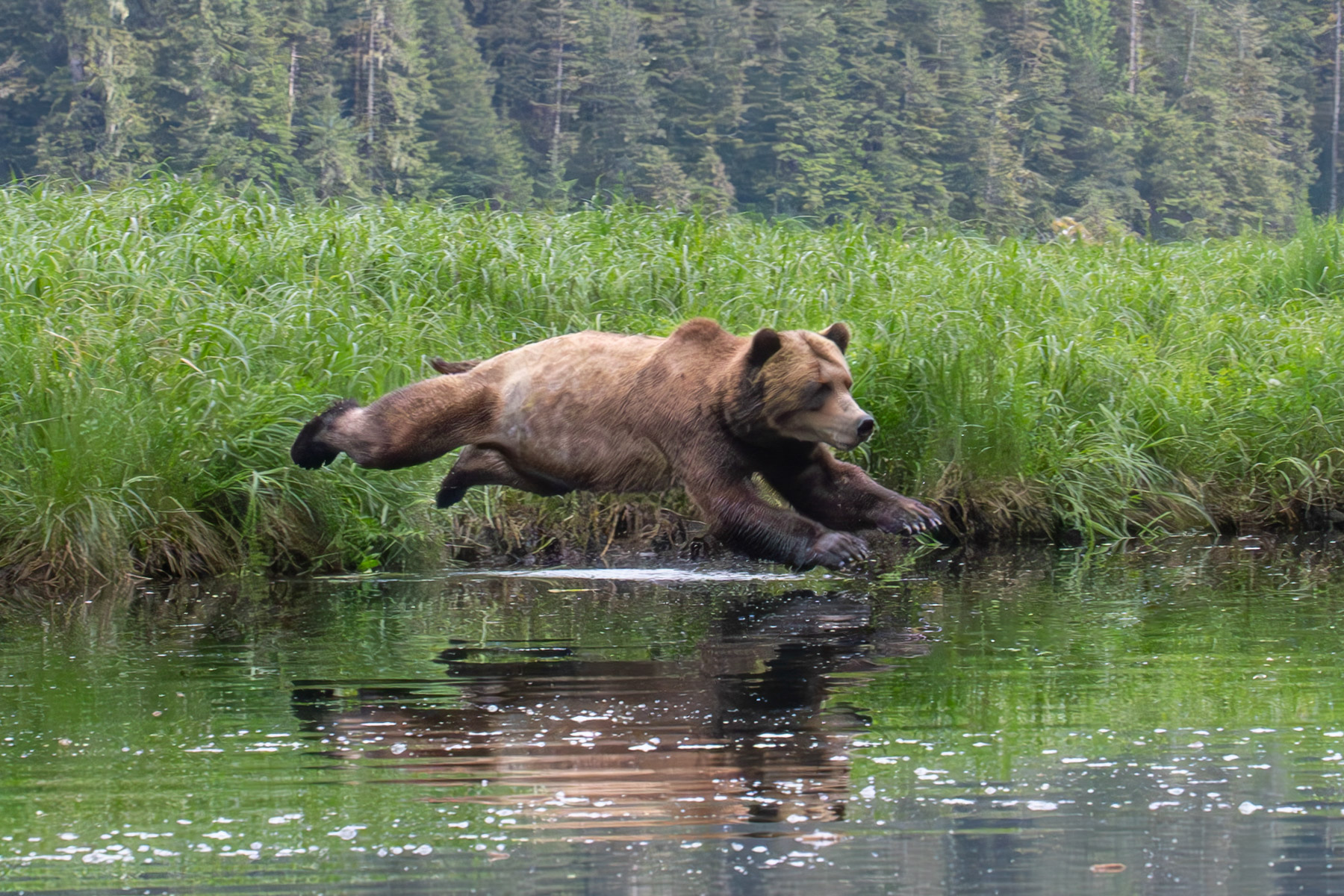
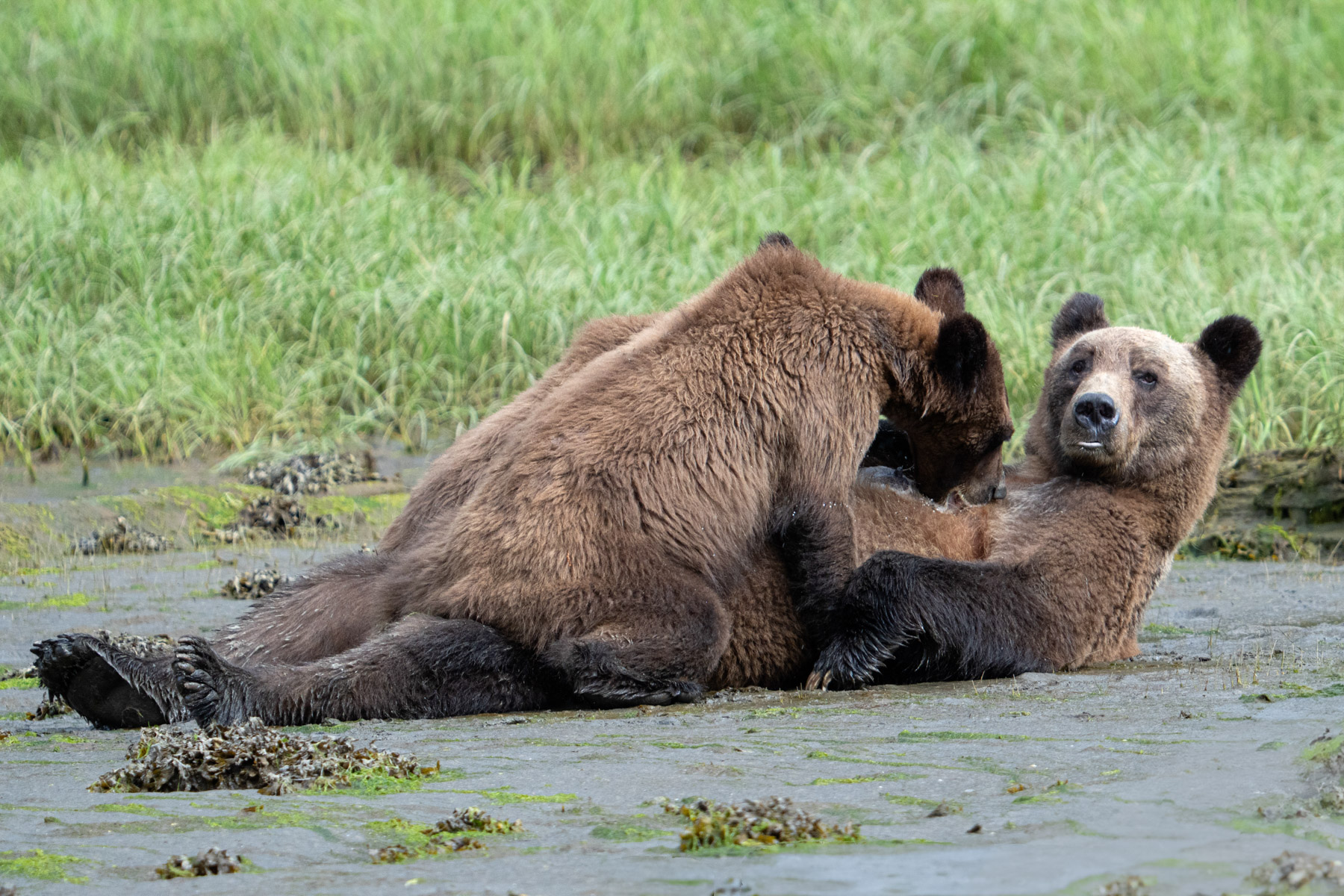
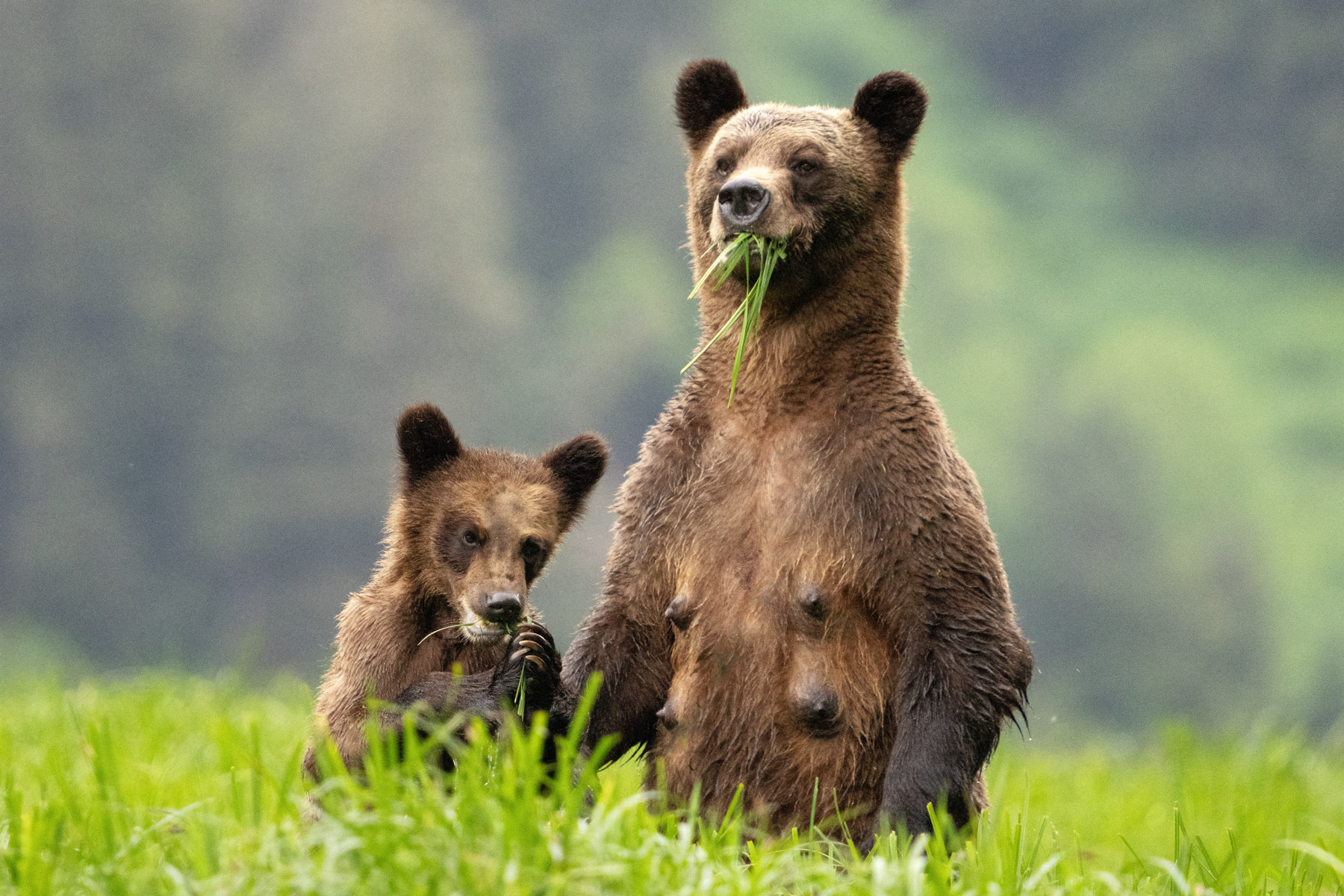
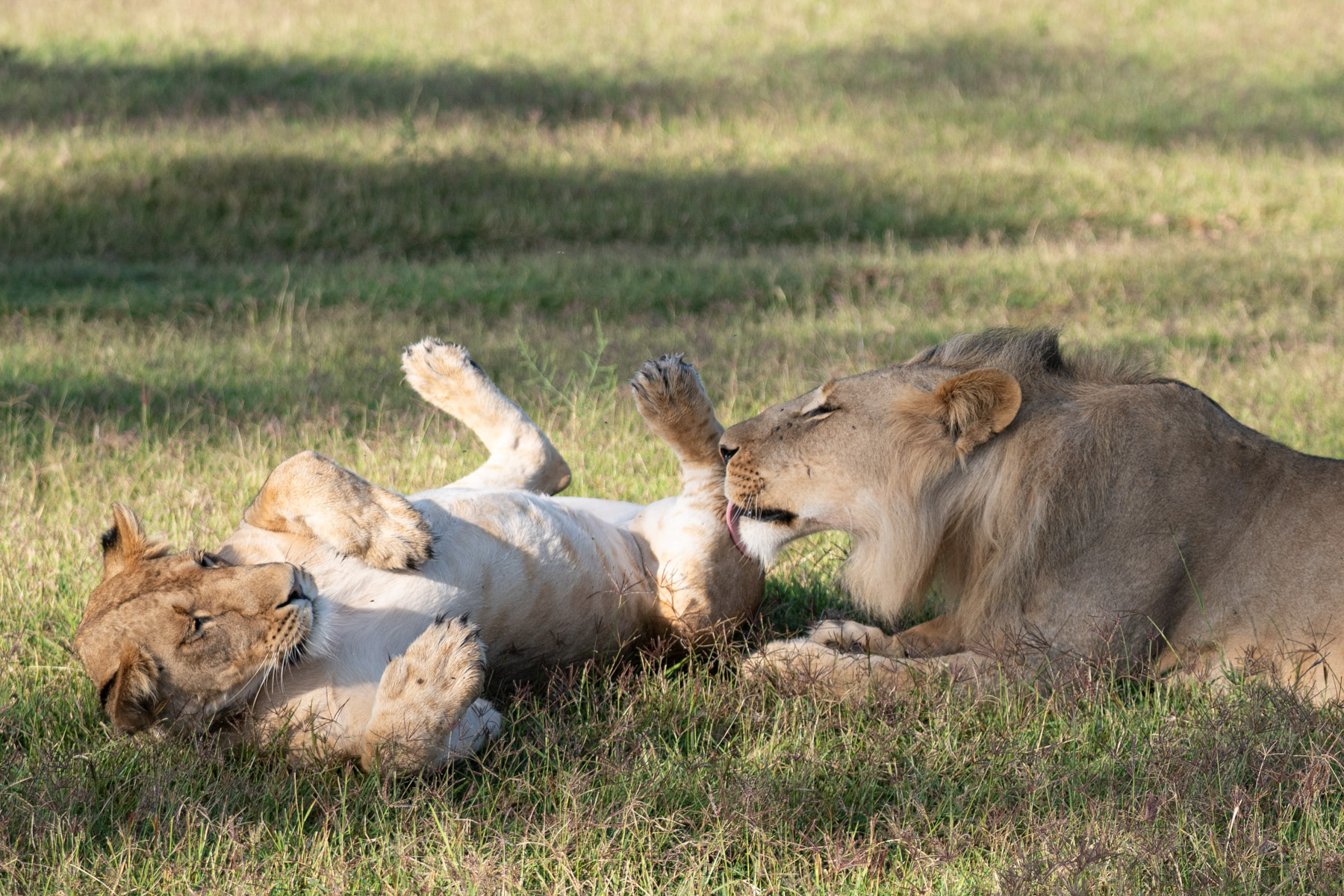
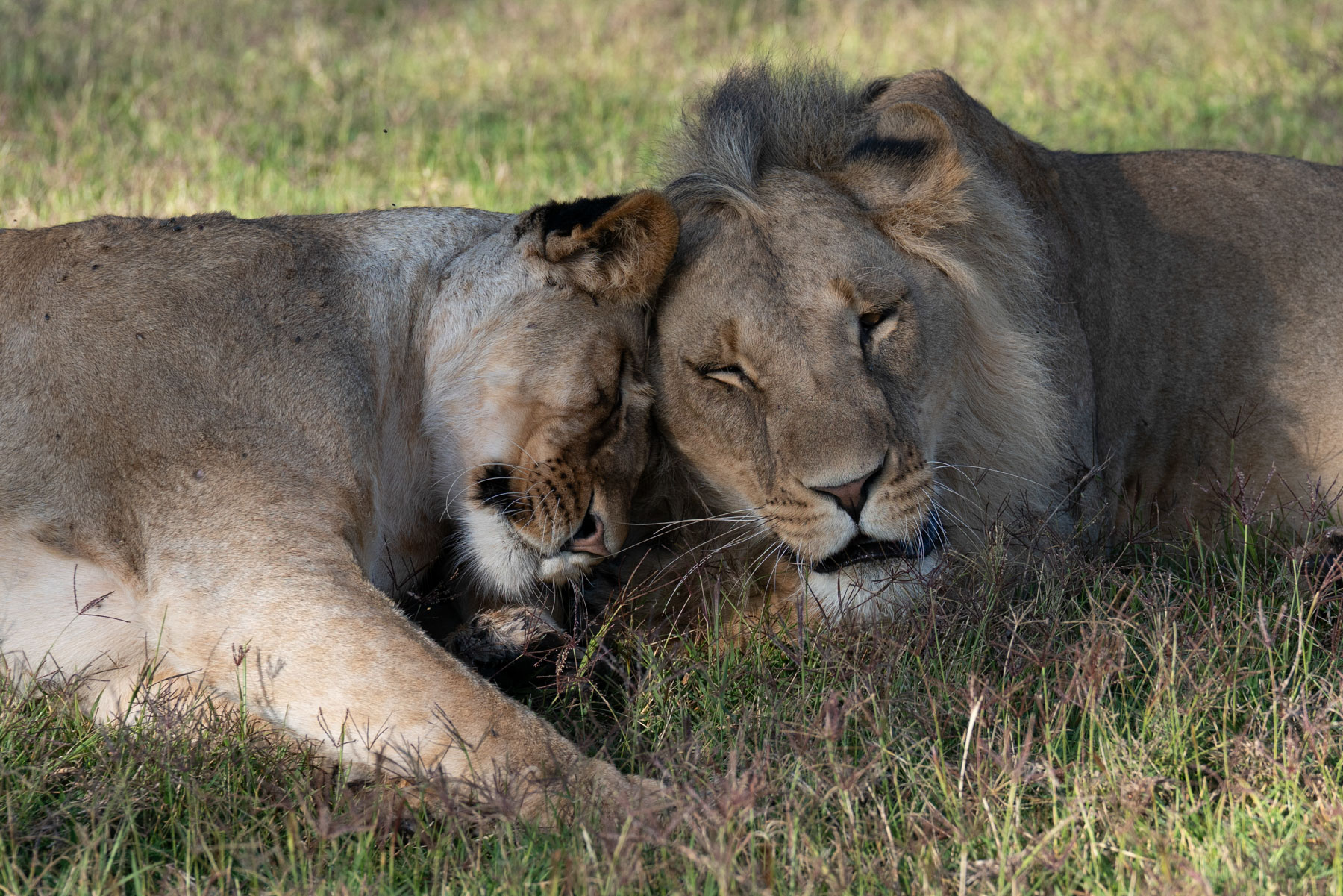
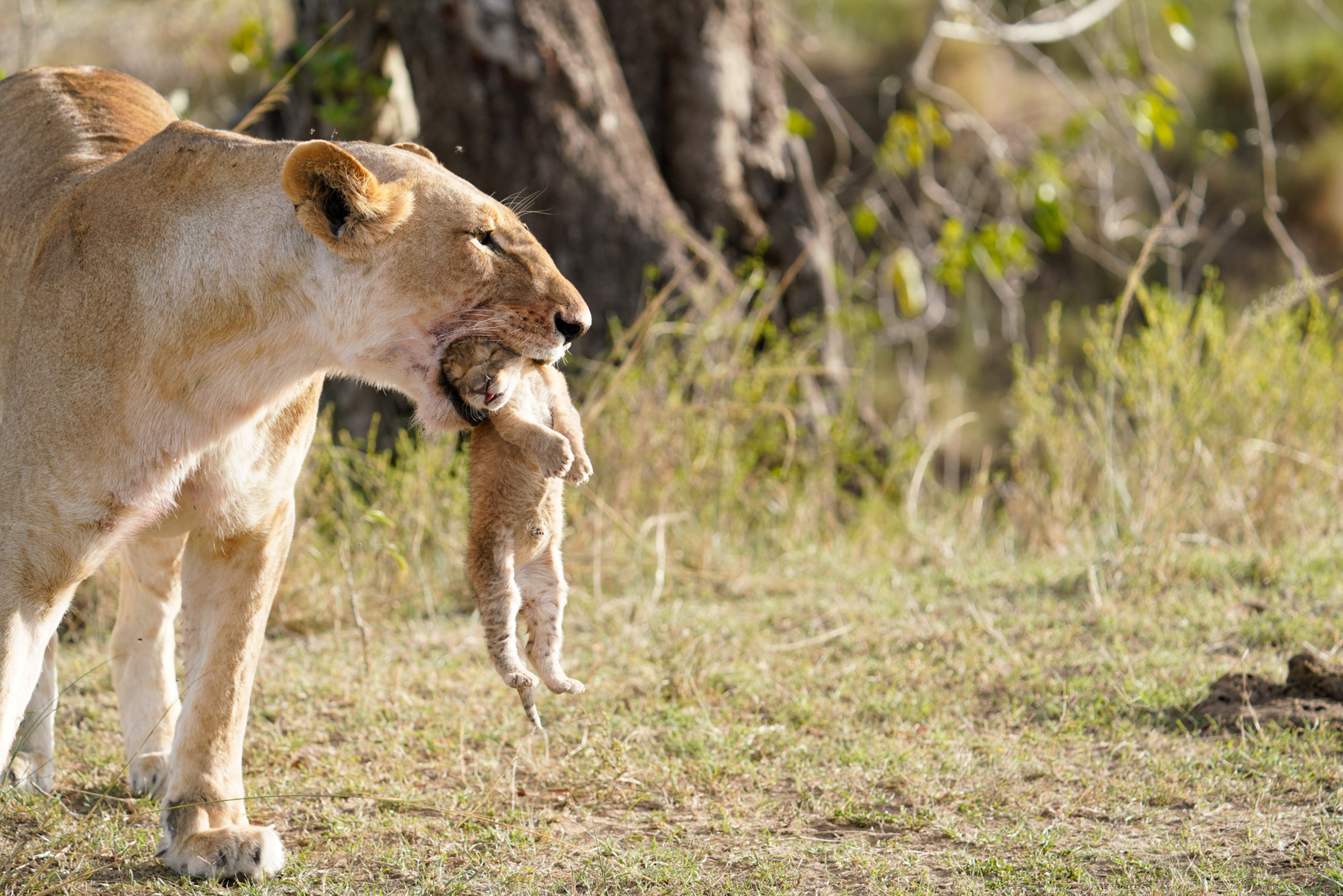
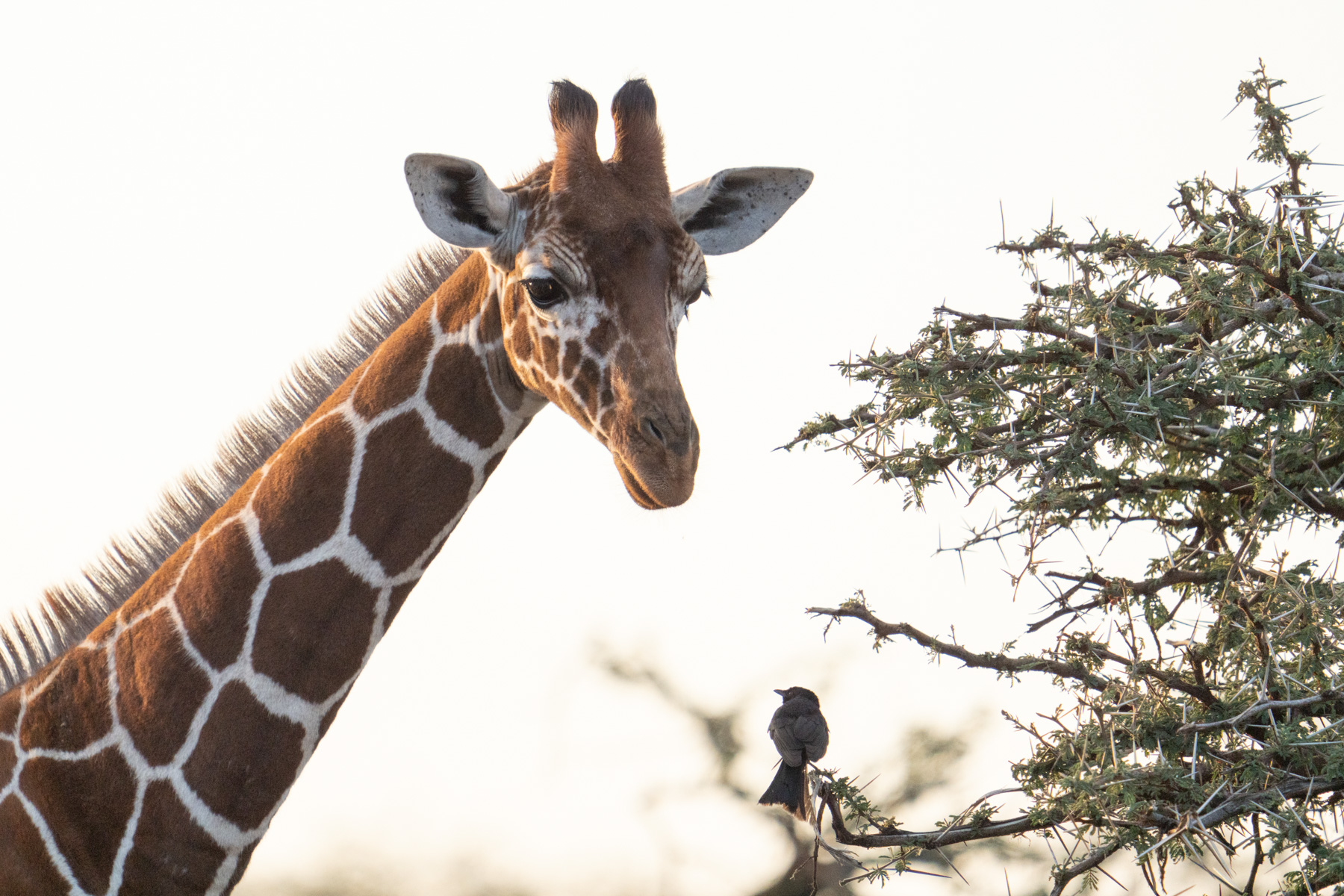
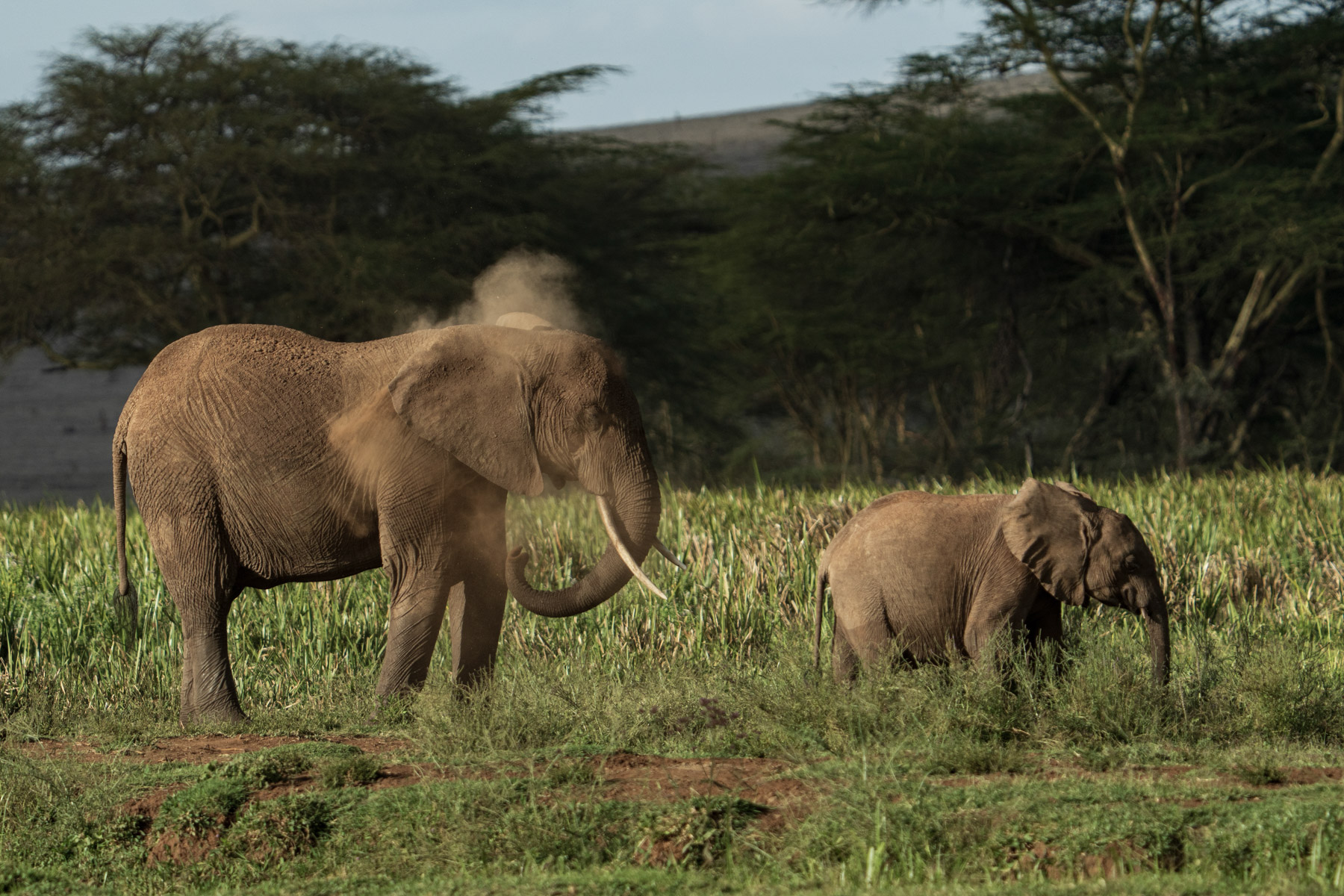
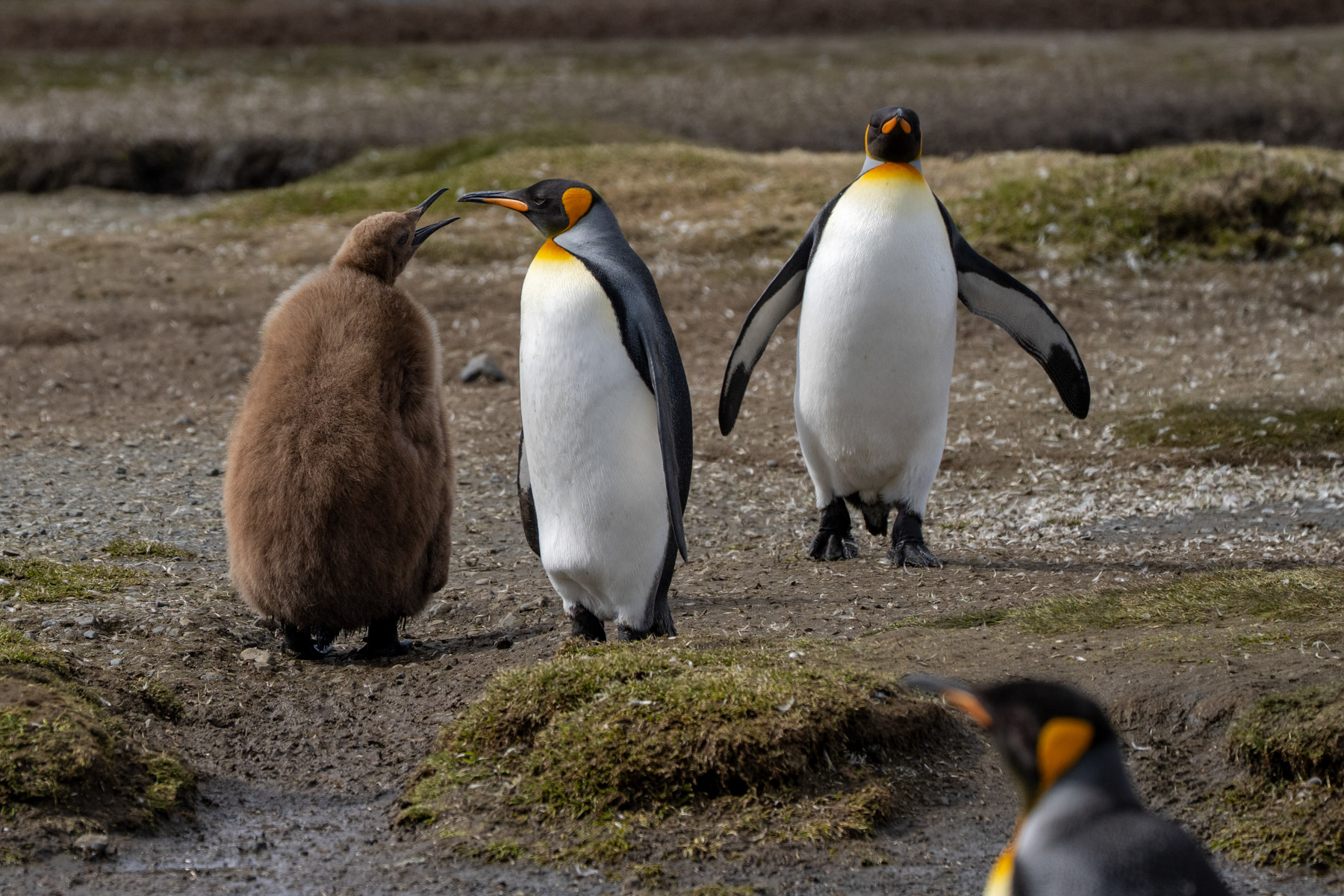
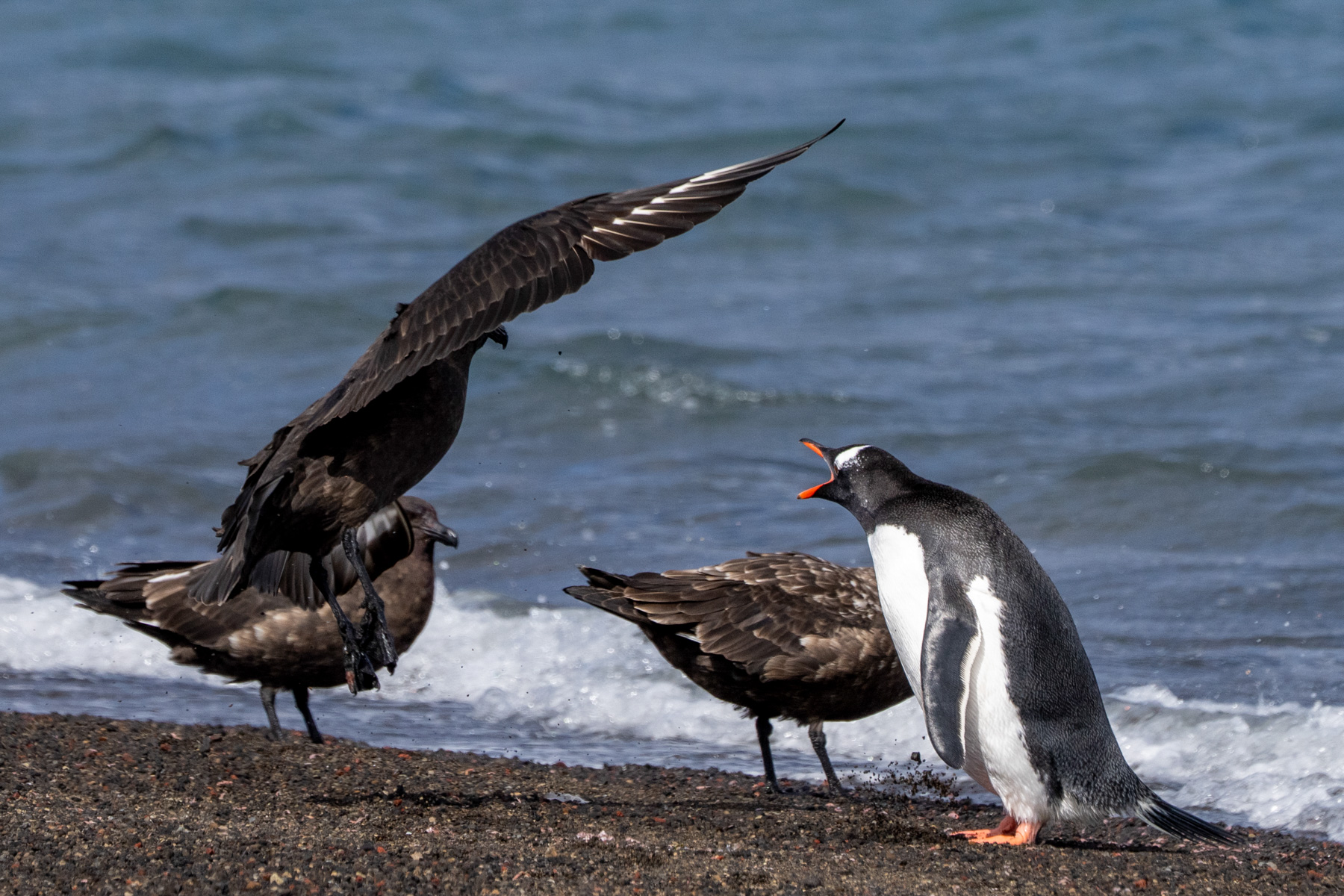
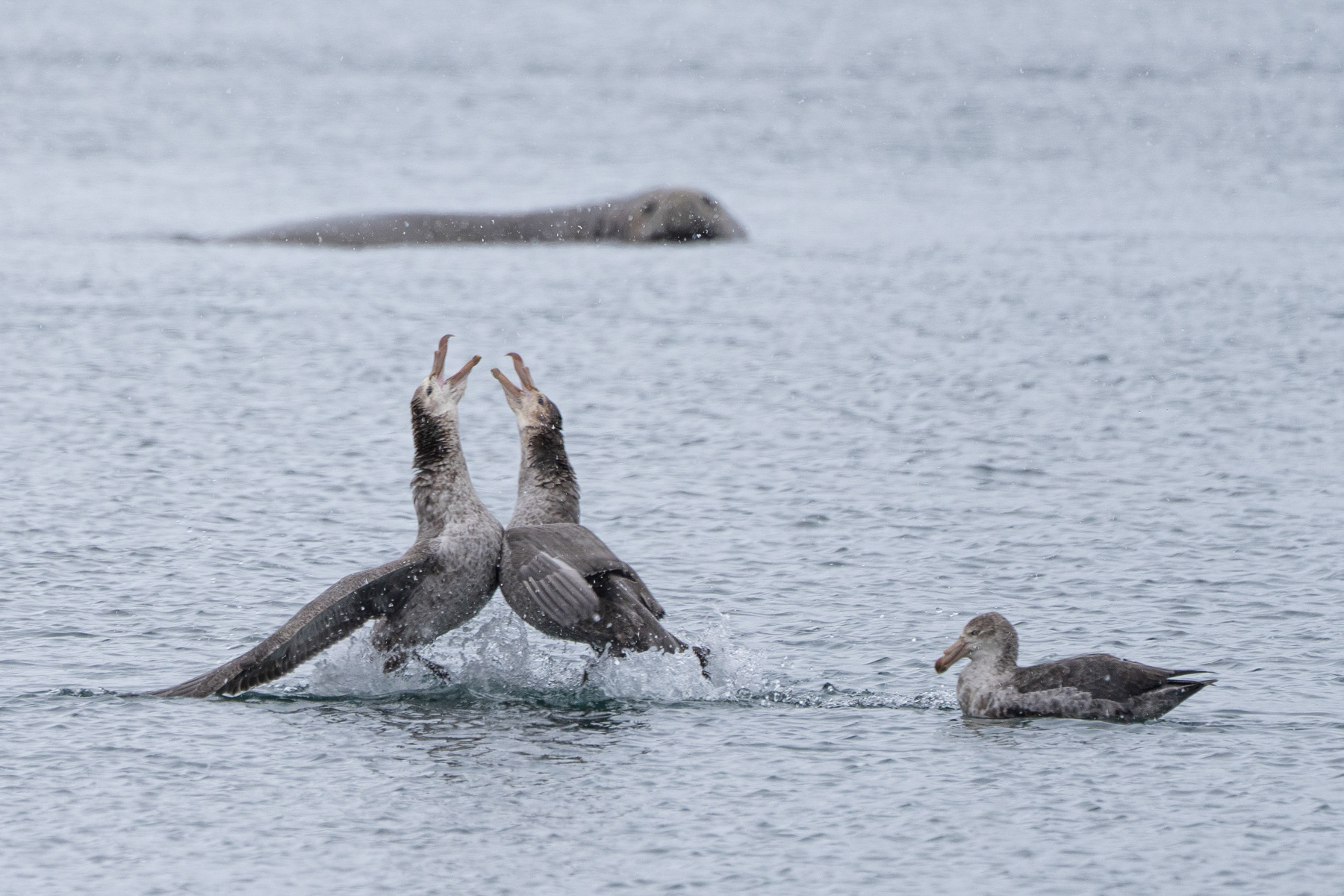
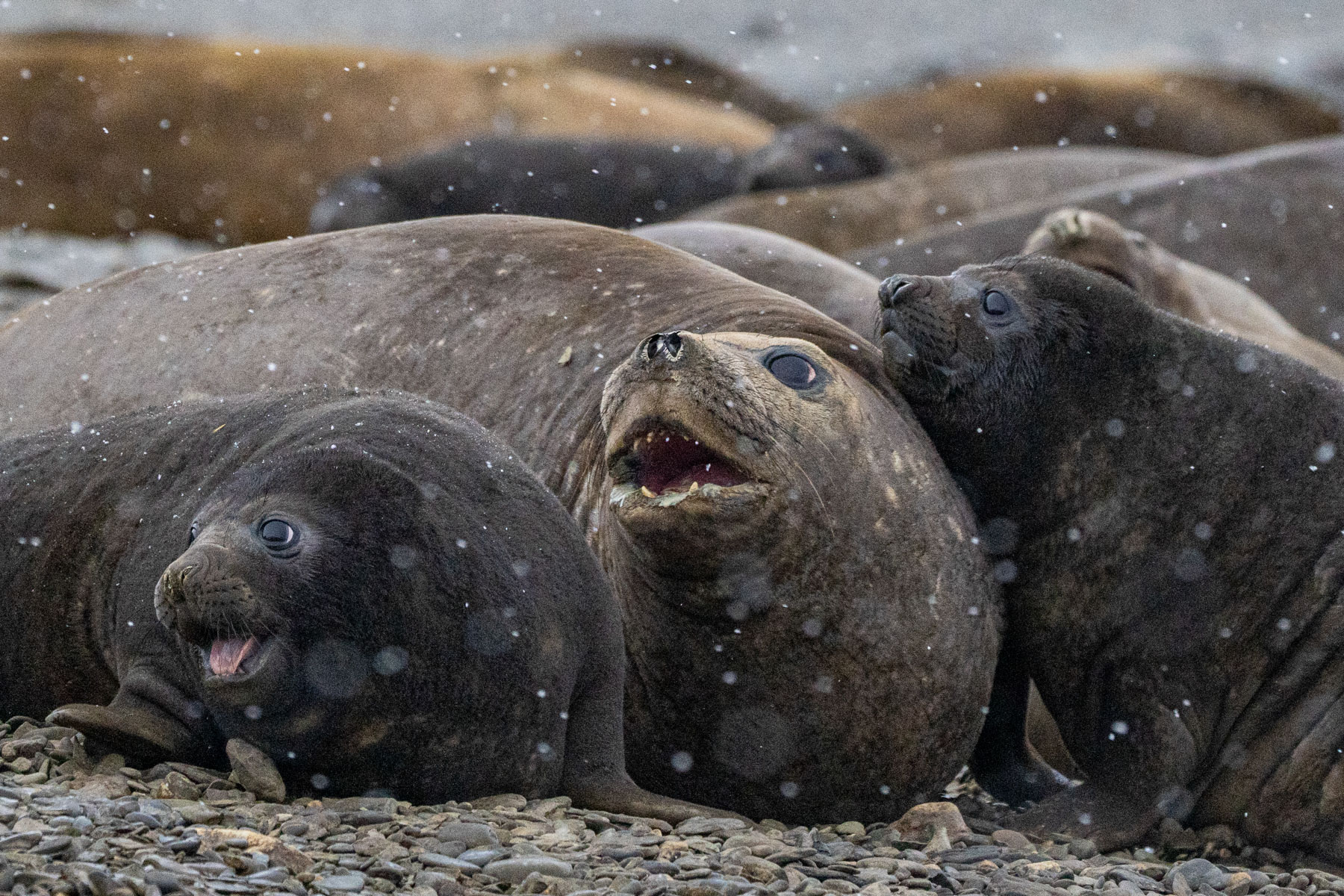
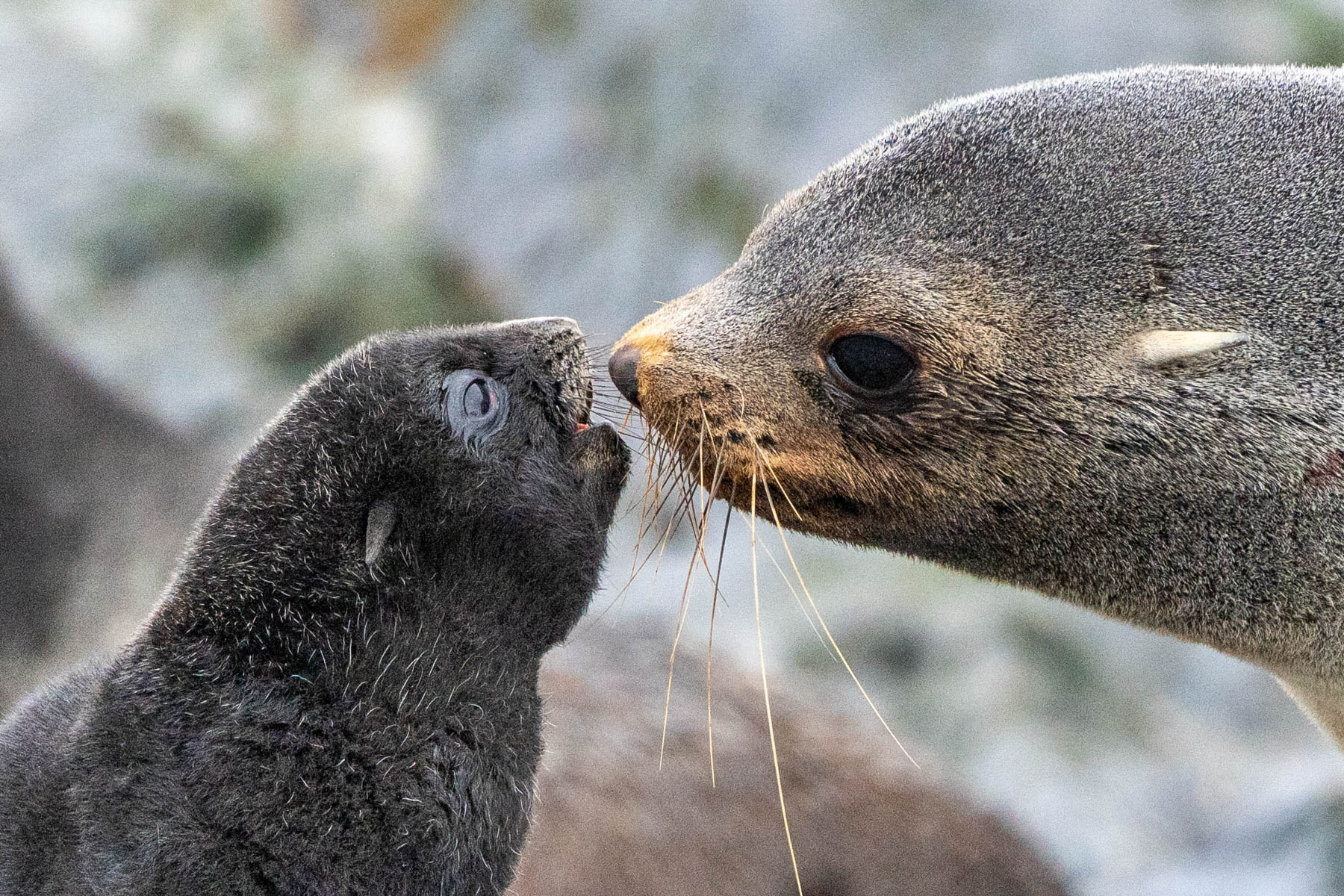
    This collection is a conversation between species. Through the years, my lens has caught penguins quarreling like old friends, lions leaning into each other with tenderness, and elephants moving as if one heart beats across many bodies. Their gestures felt familiar, echoing our own dramas and bonds.
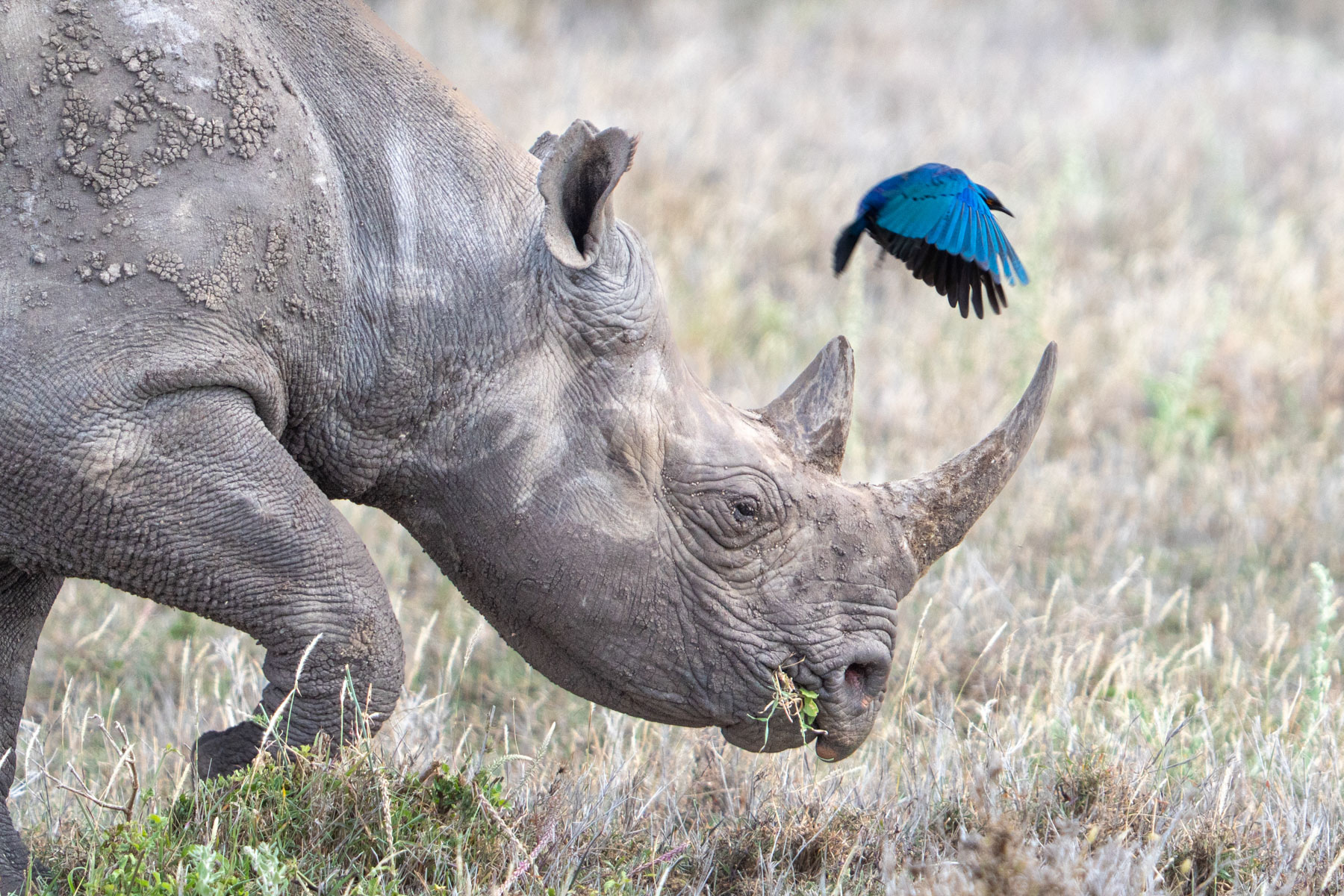
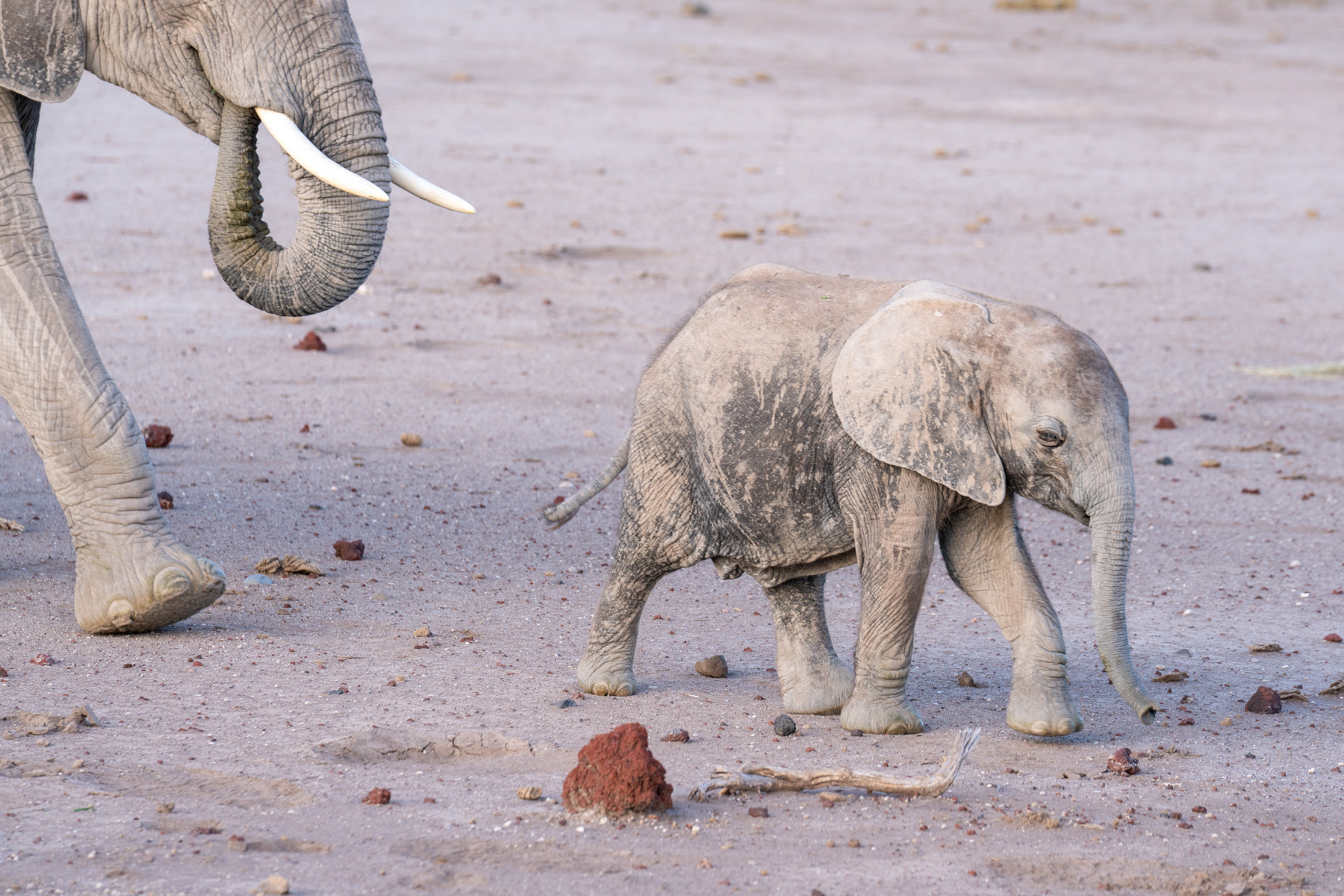
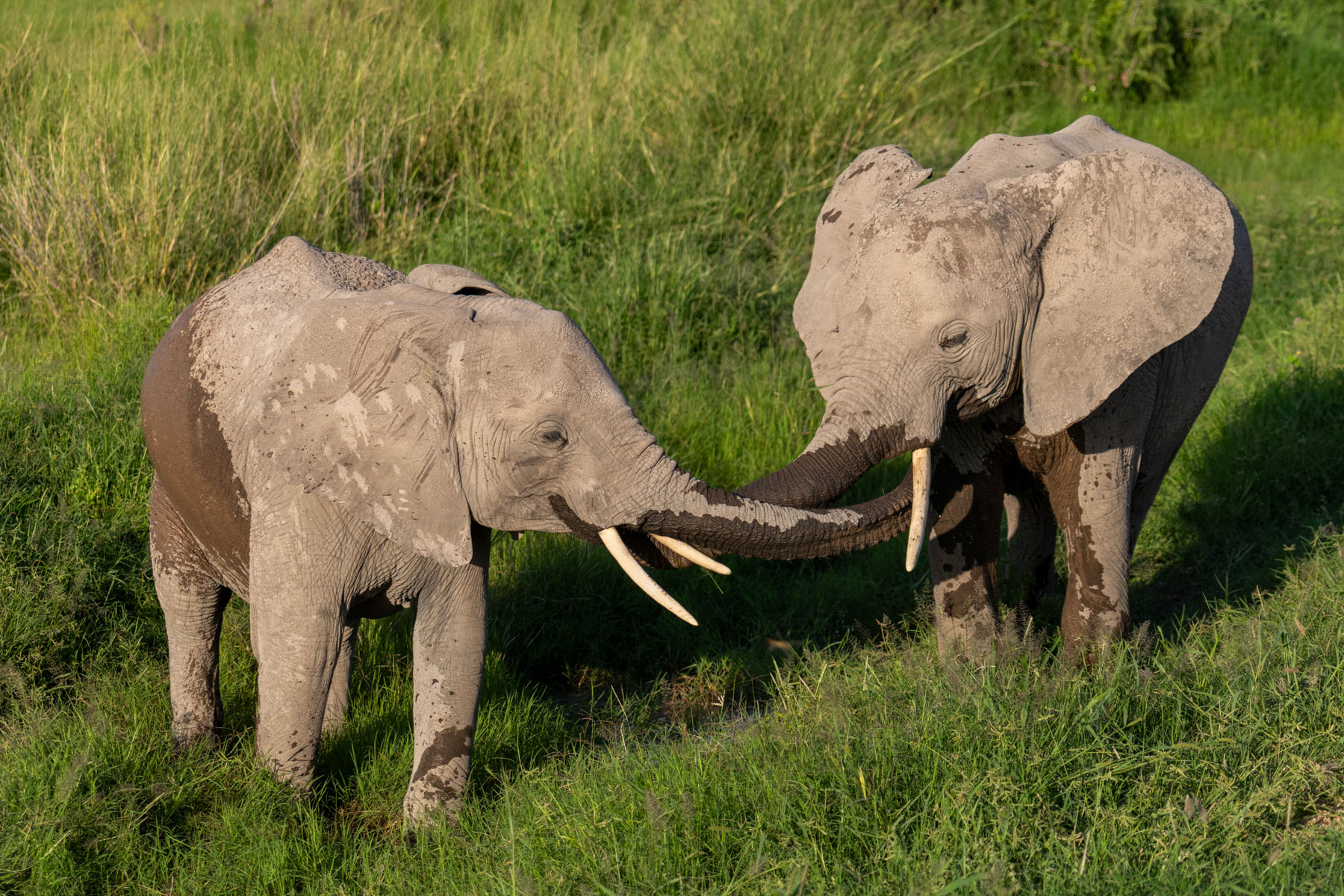
    Even science affirms these parallels: elephants are known to linger at the bones of lost companions, as if remembering, while lion mothers nurse one another’s cubs, weaving a net of shared care. Kinship and memory, it seems, belong to us all.

  • The Shape of Stillness

    The Shape of Stillness

    Death Valley National Park Photography

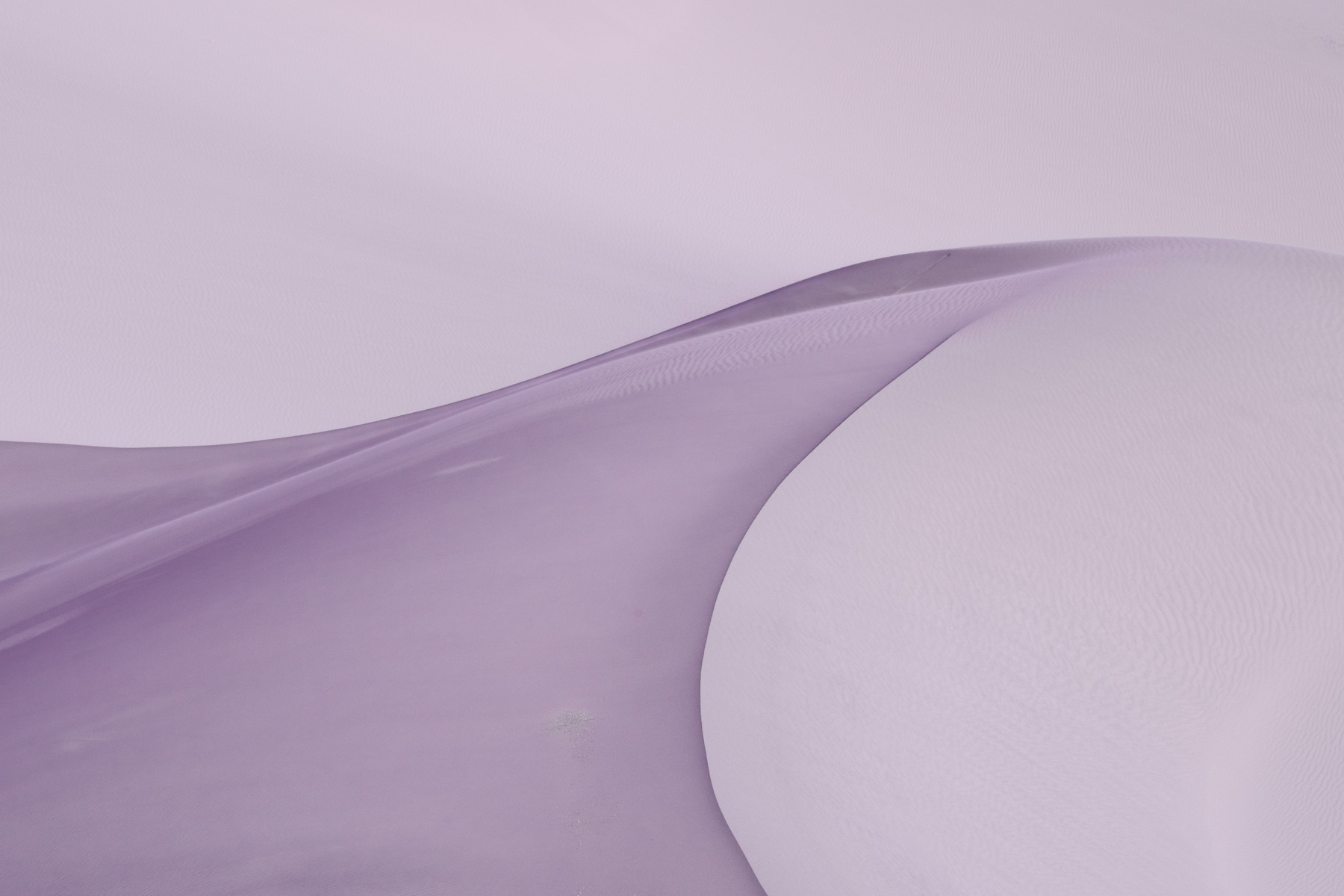
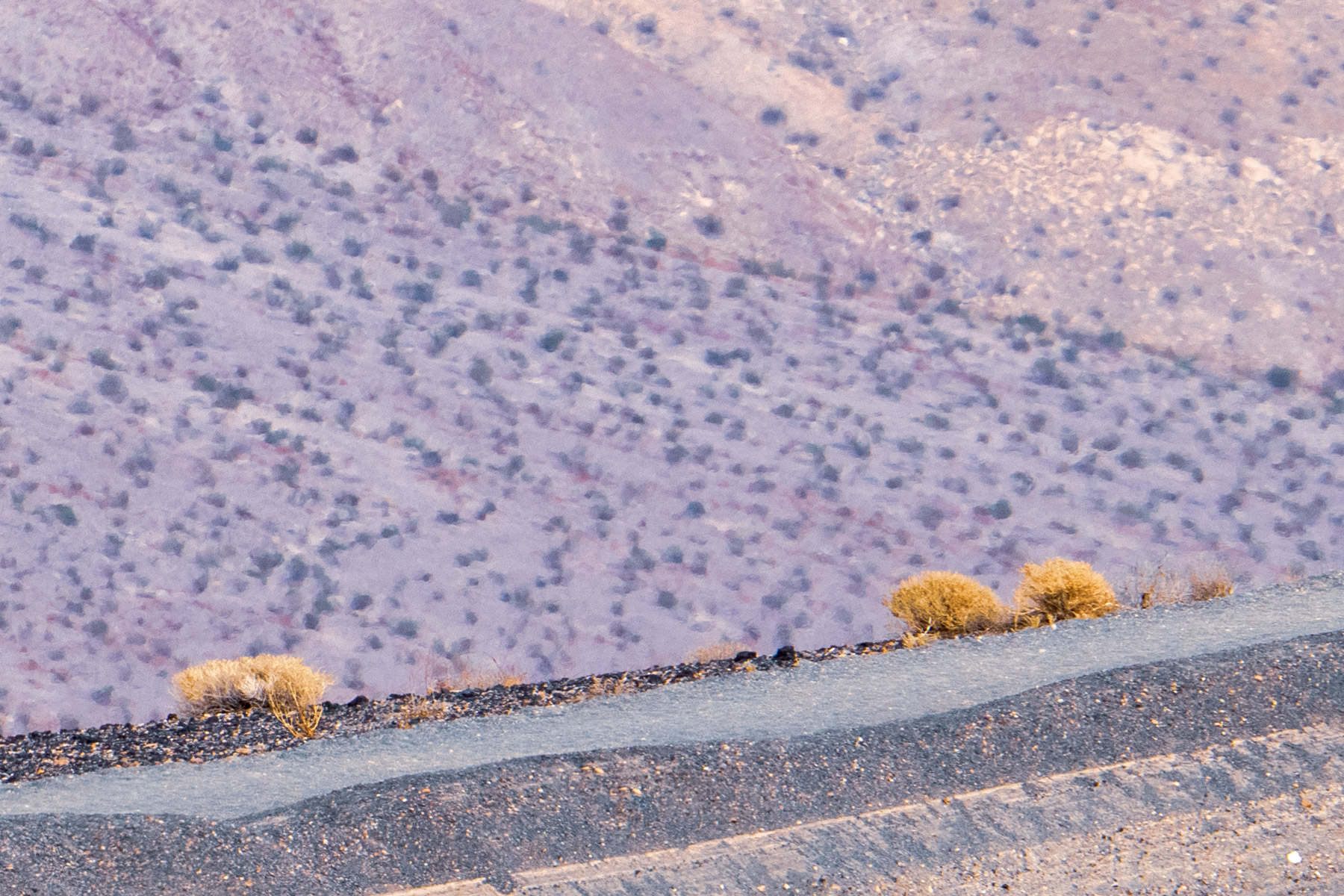
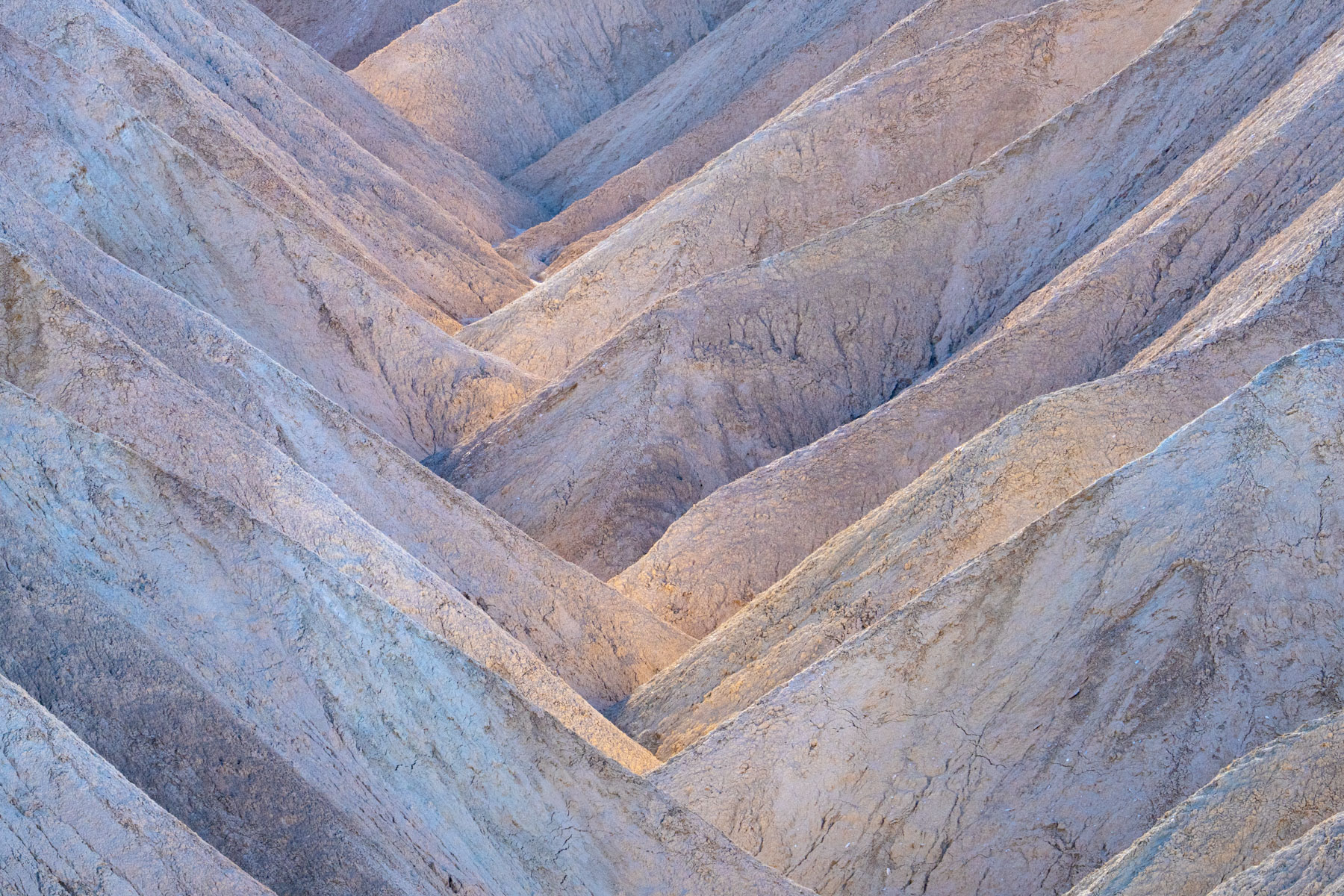
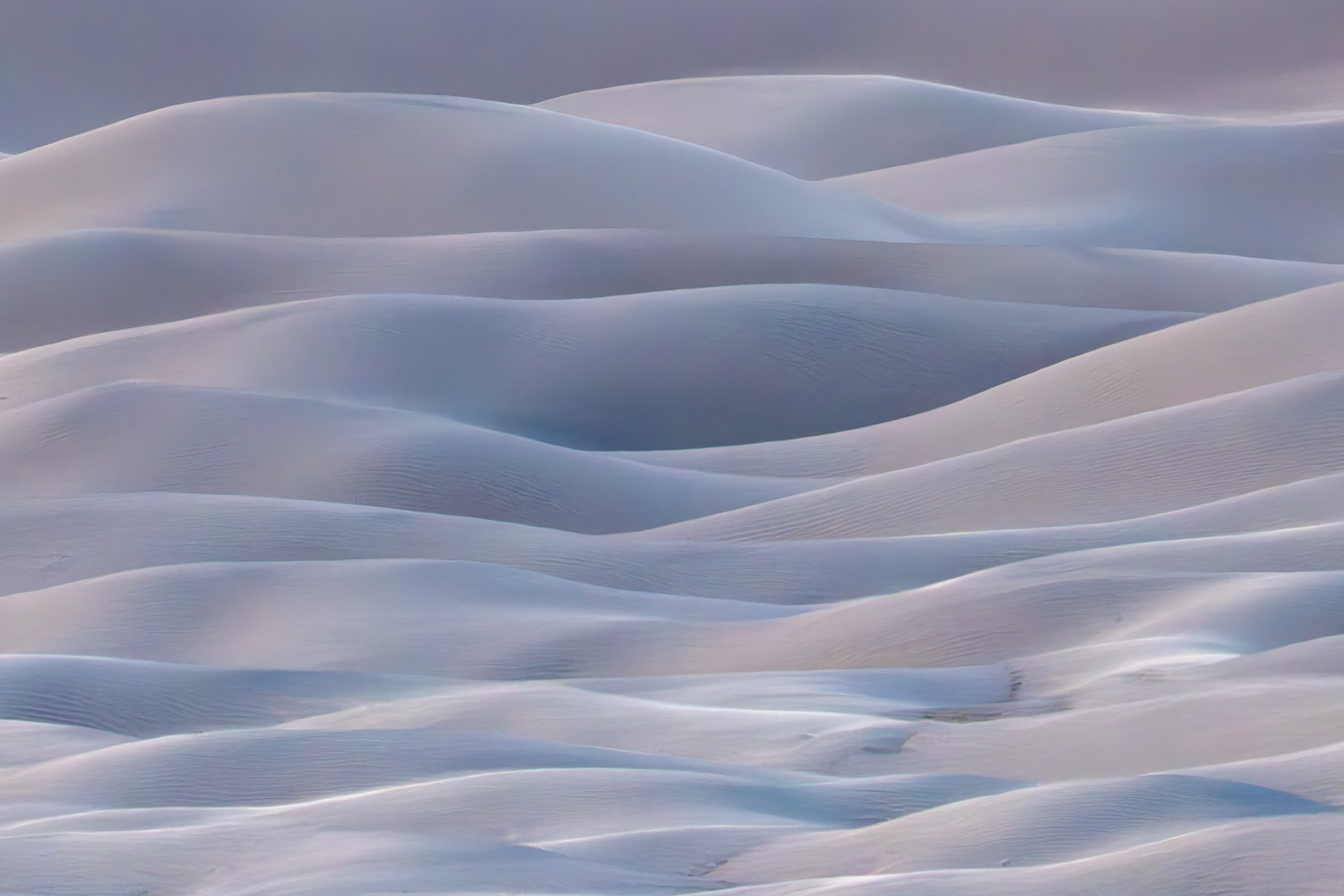
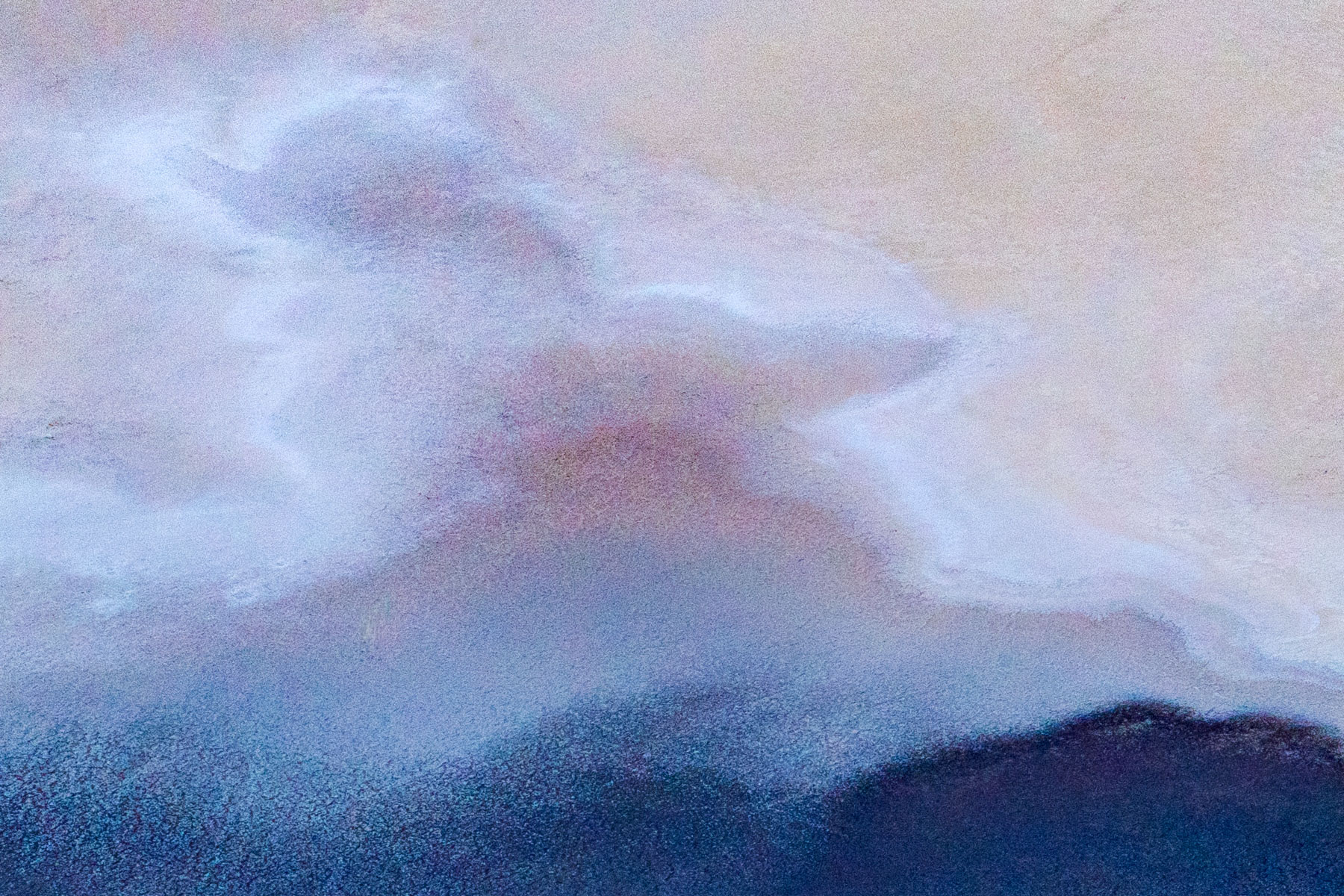
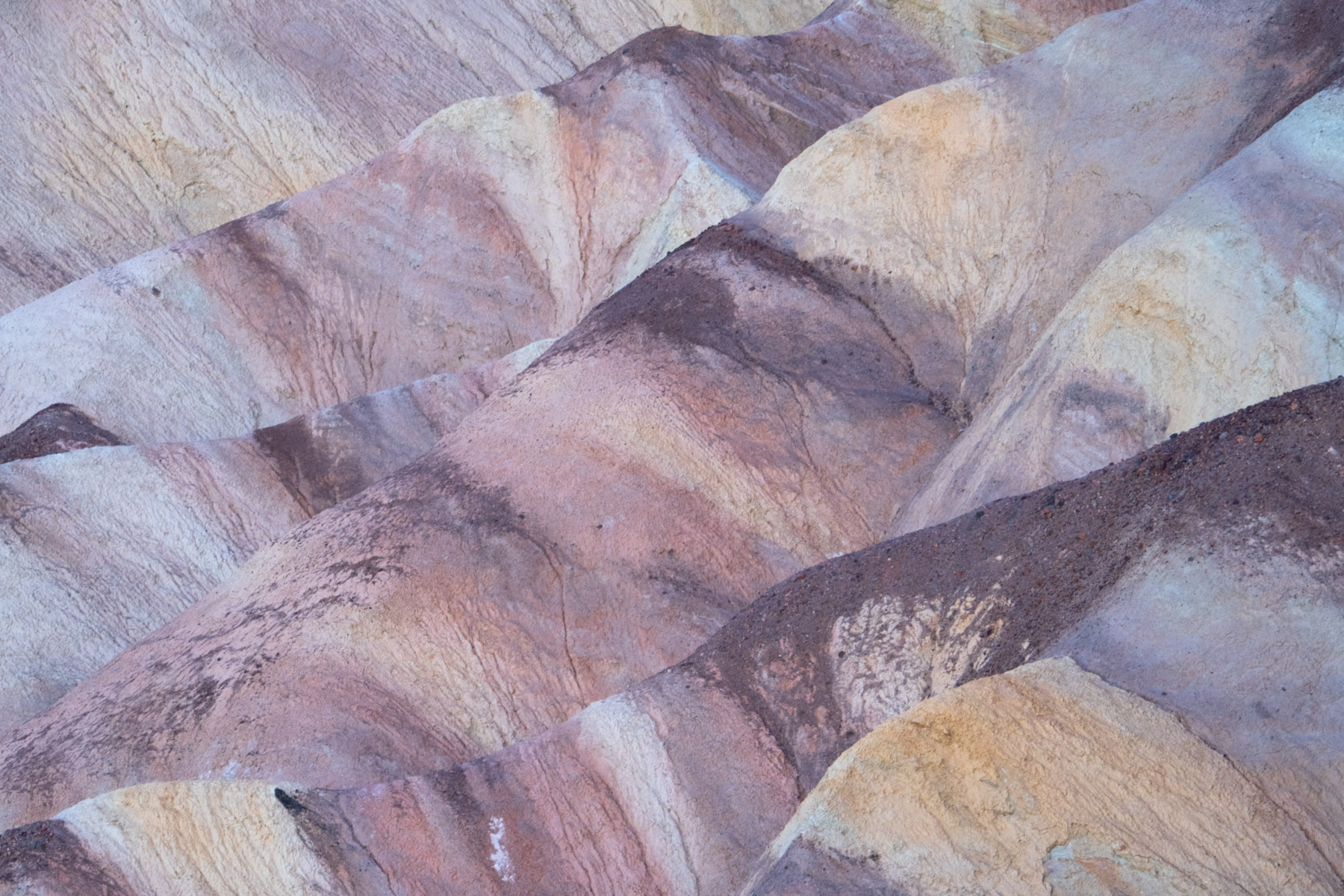
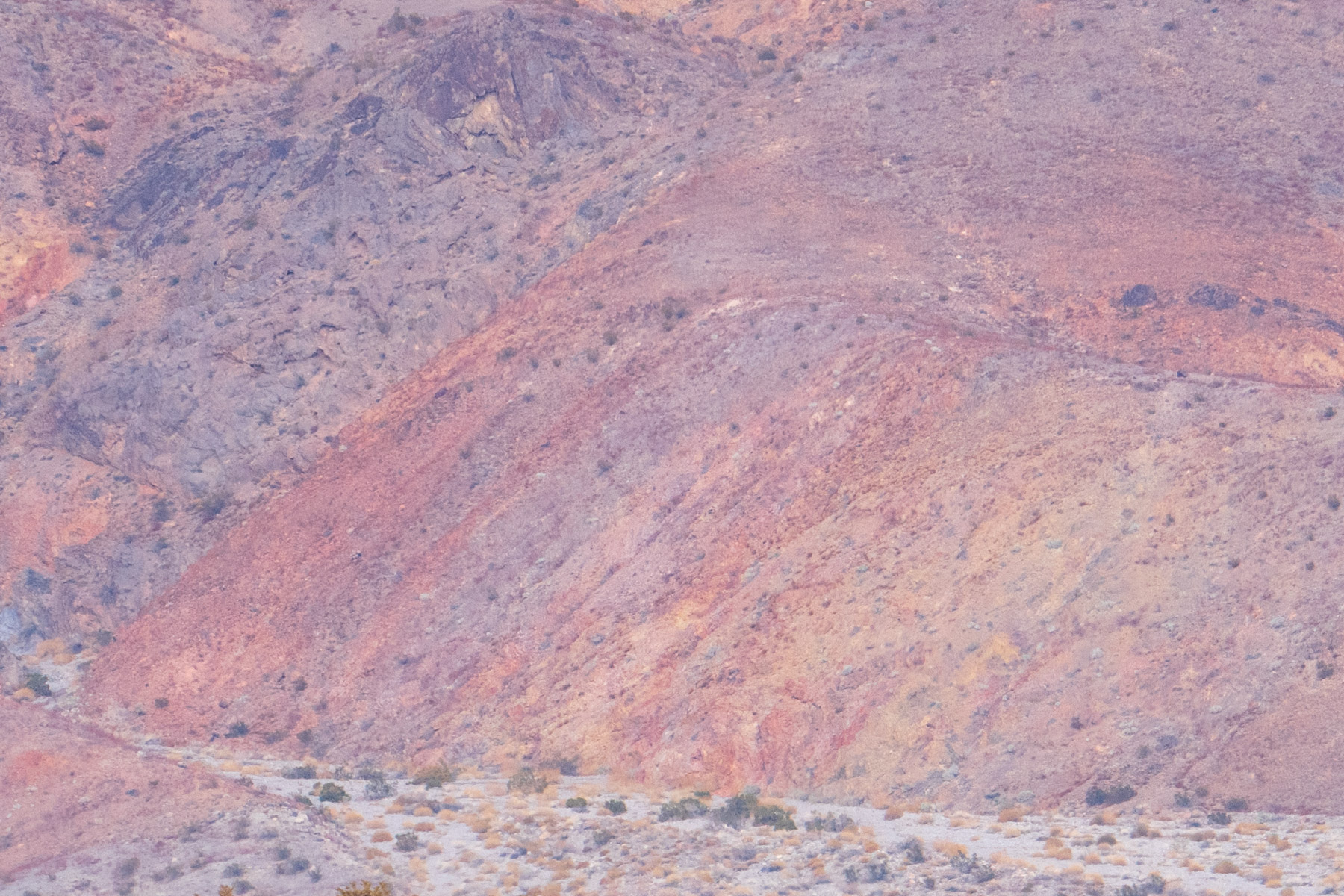
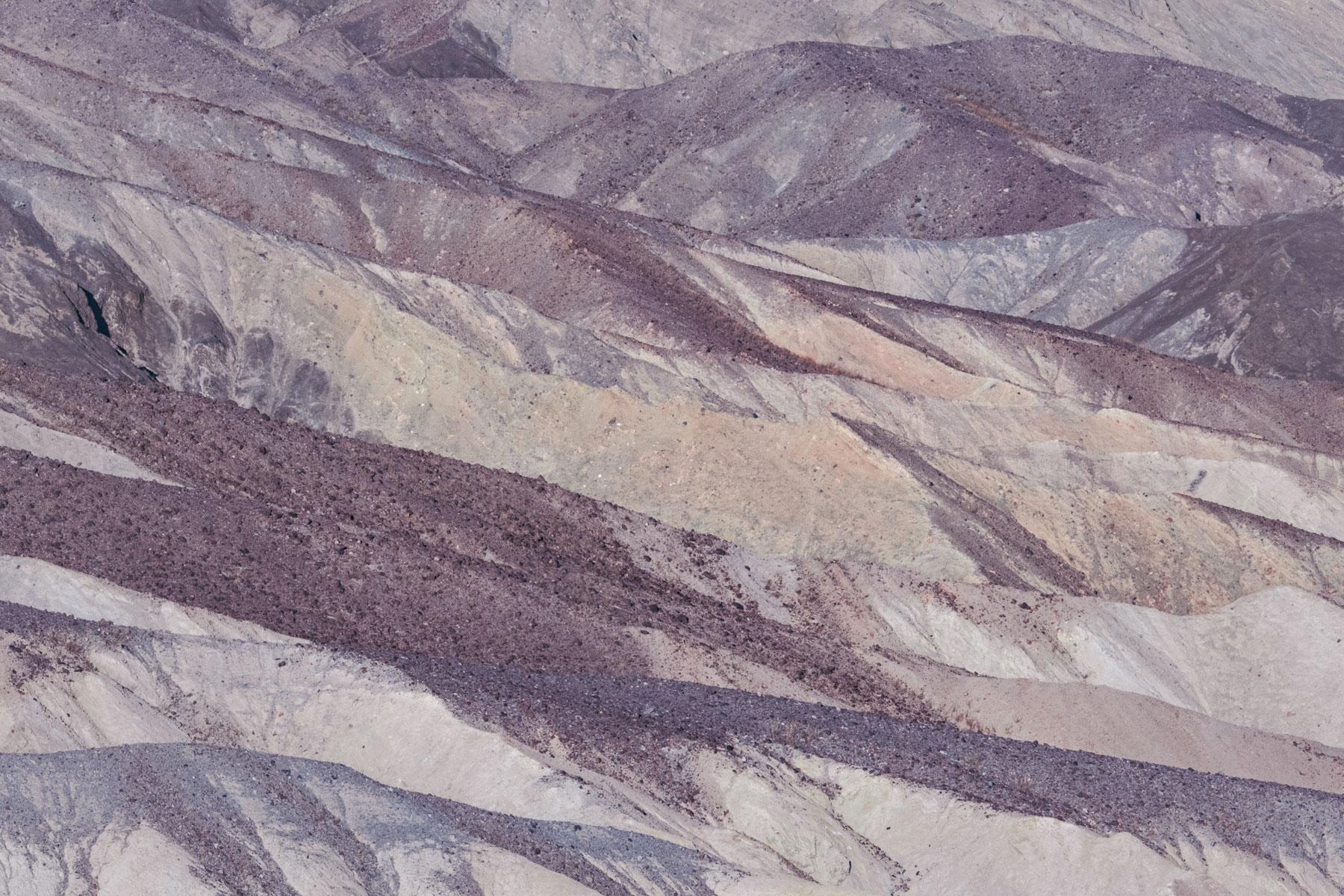
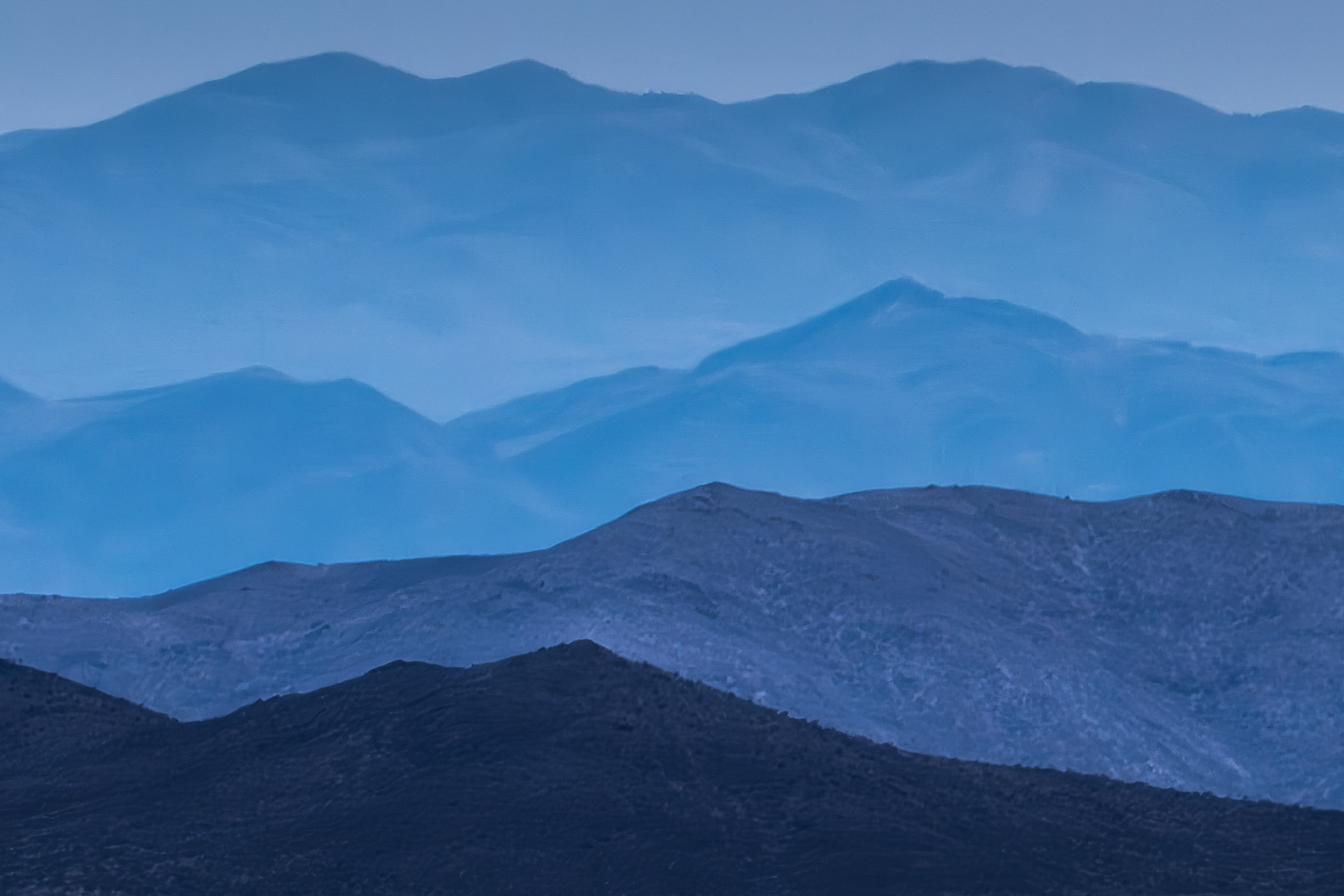
    At first glance, Death Valley seems defined by absence—no water, no color, no life. But within that silence I found presence. The desert is a paradox: vast and barren yet deeply intimate. The Shape of Stillness is a meditation on this tension, where the lines of the land echo the contours of the soul.

    Soft curves of dunes and stone suggest breath and tenderness, while sharp ridges and shadows speak of survival and resilience. In this stillness, the desert sharpened my senses. The camera became less a tool of observation than a way of listening, revealing how the land can hold us, reflect us, and remind us who we are beneath the noise.
  • Geography of Awe

    Geography of Awe

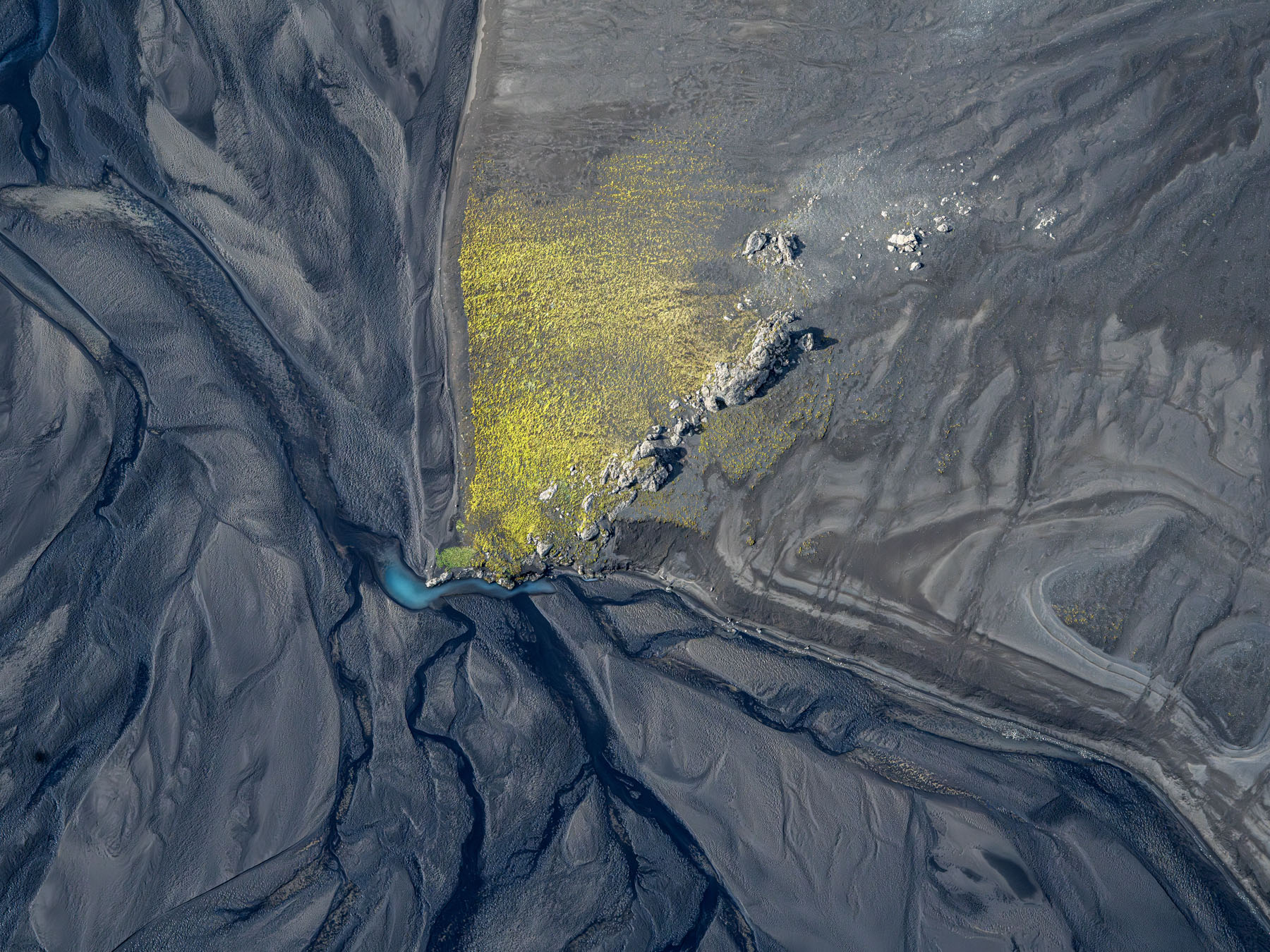
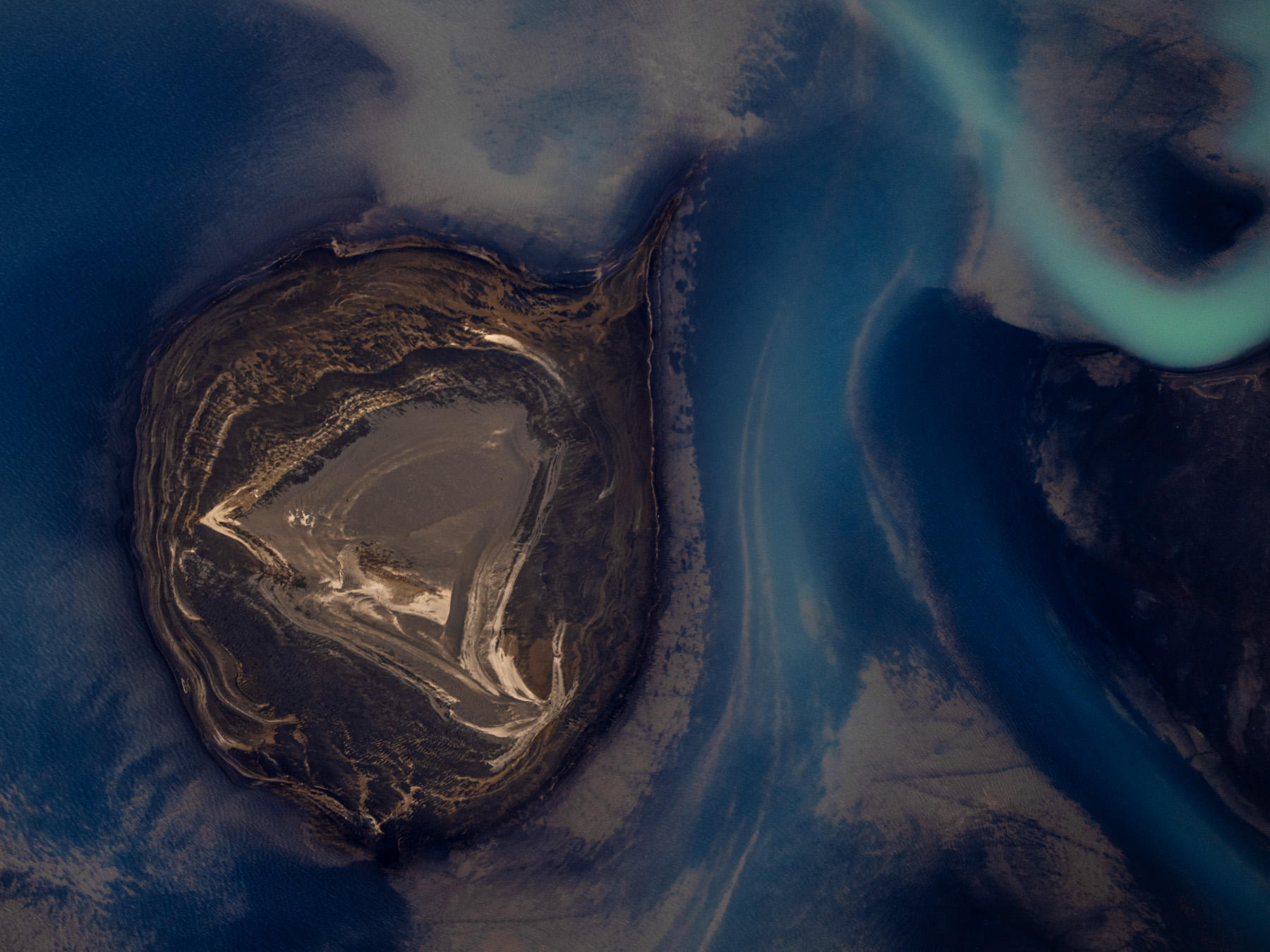
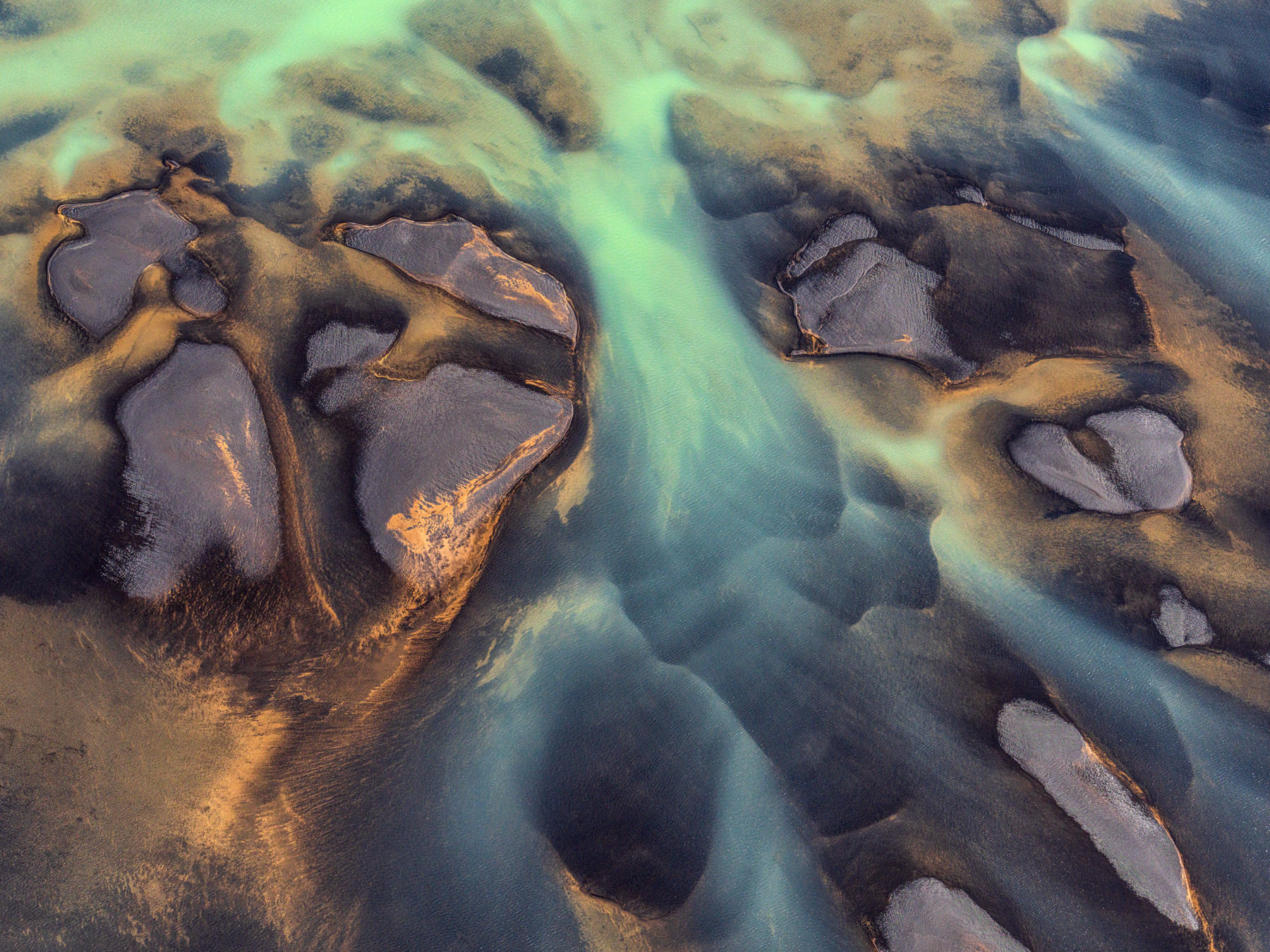
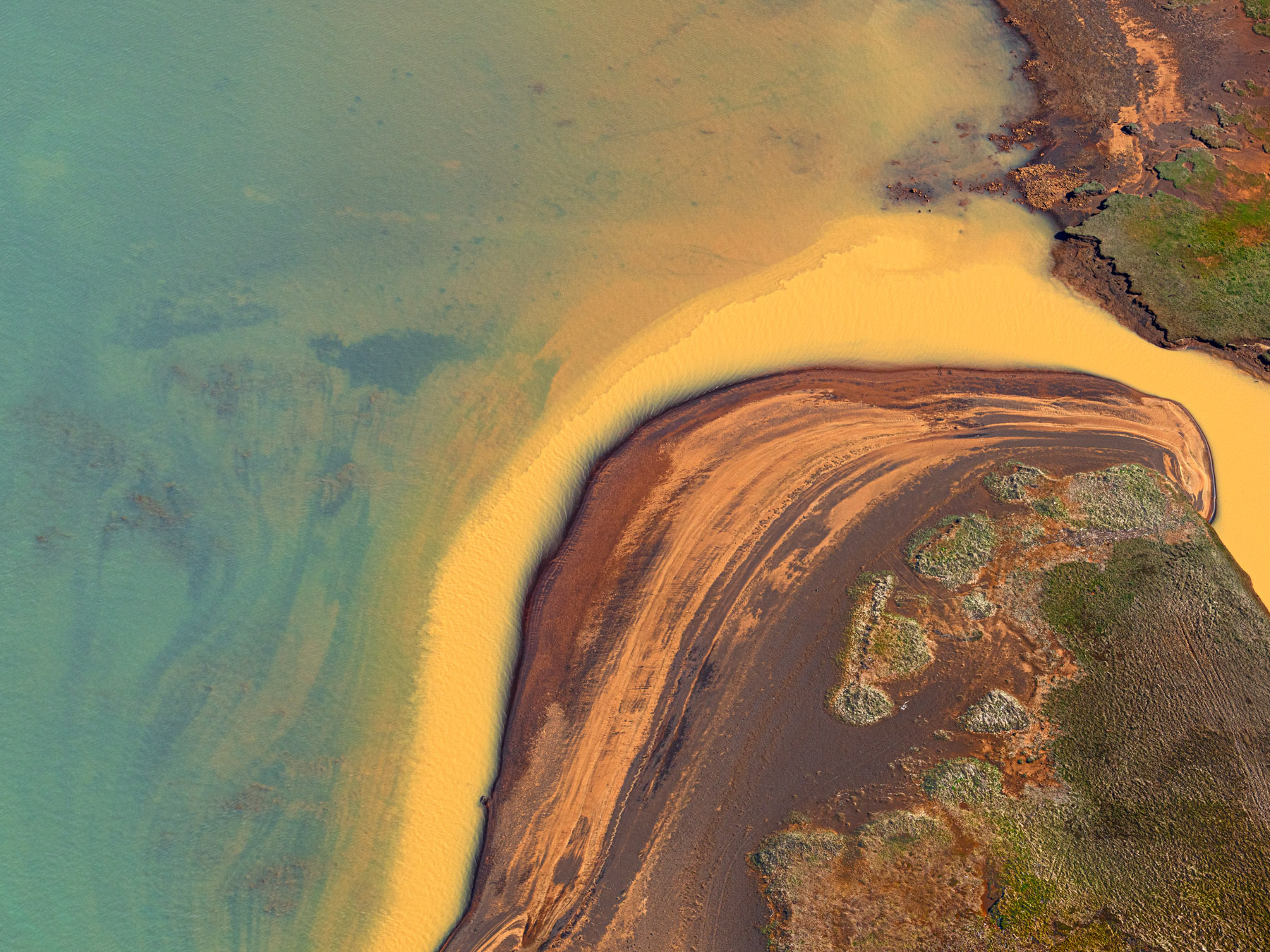
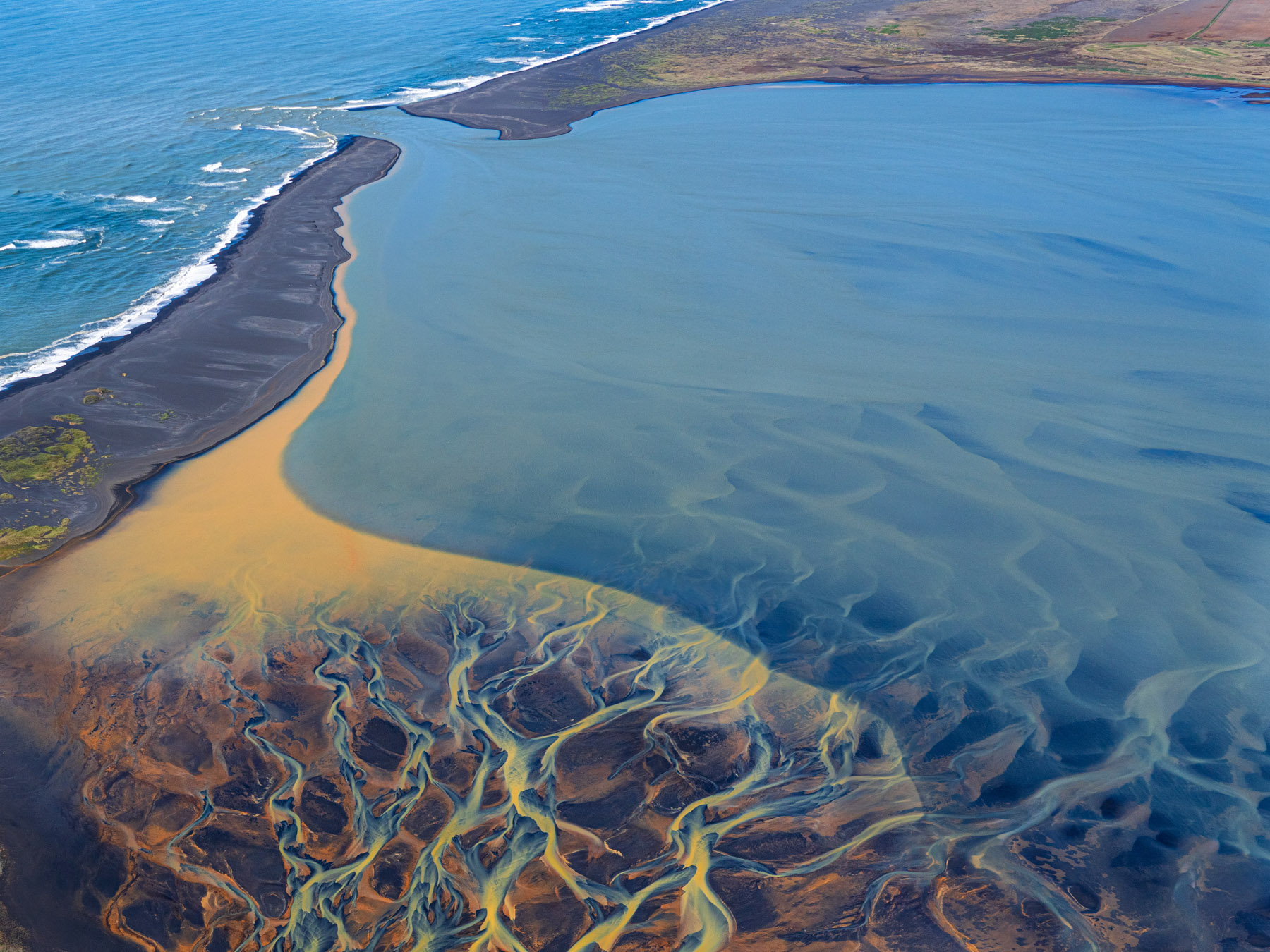
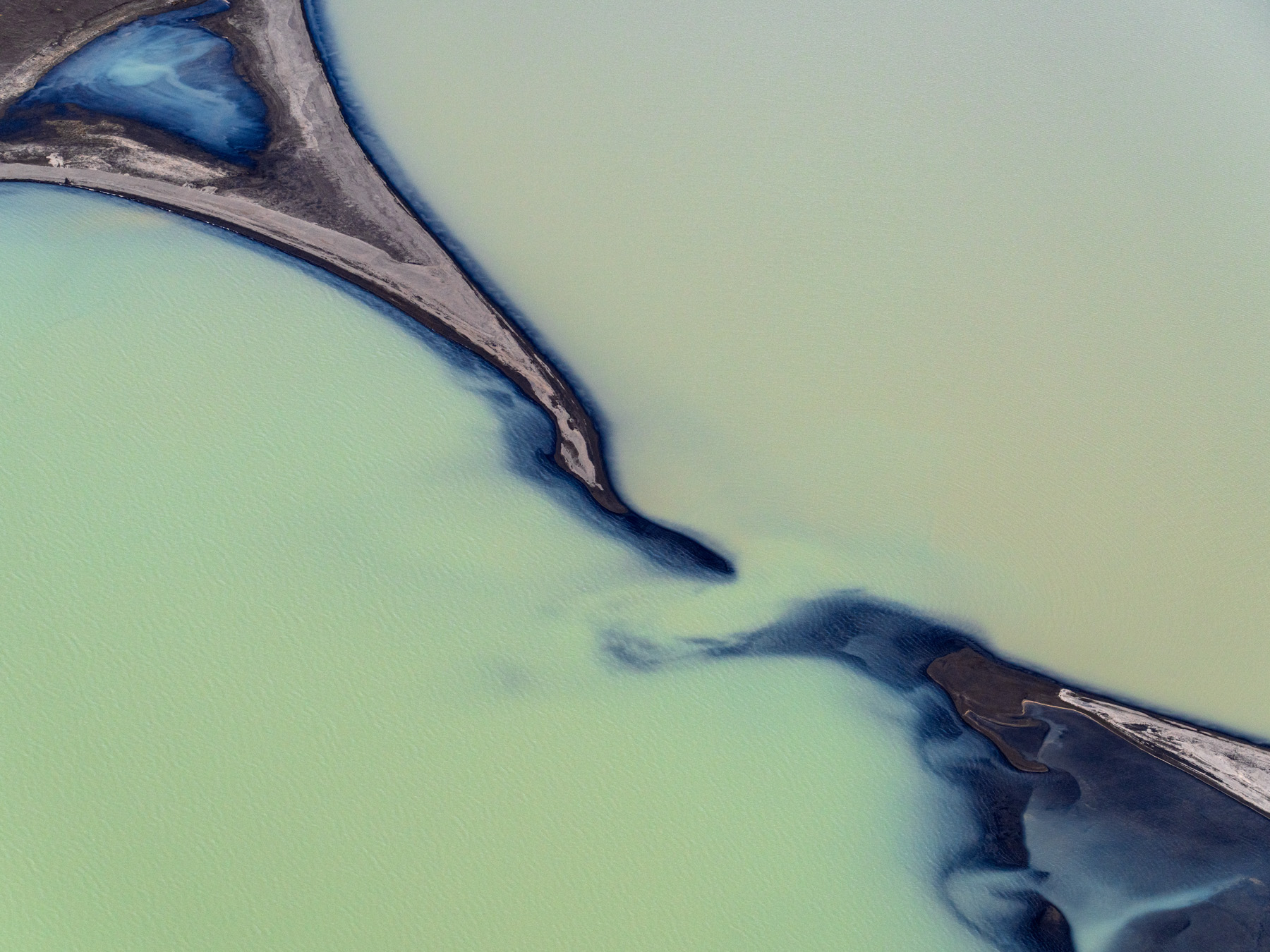
    Iceland’s deep commitment to land conservation is evident in its extensive protected areas, covering nearly 30% of its total landmass. Initiatives like the Soil Conservation Service combat erosion and restore vegetation lost to centuries of deforestation, ensuring the resilience of these landscapes while national parks such as Vatnajökull safeguard fragile ecosystems, shaped by glaciers and volcanoes. These protections are not just policies; they are acts of stewardship that preserve the raw character of Iceland’s landscapes for future generations.
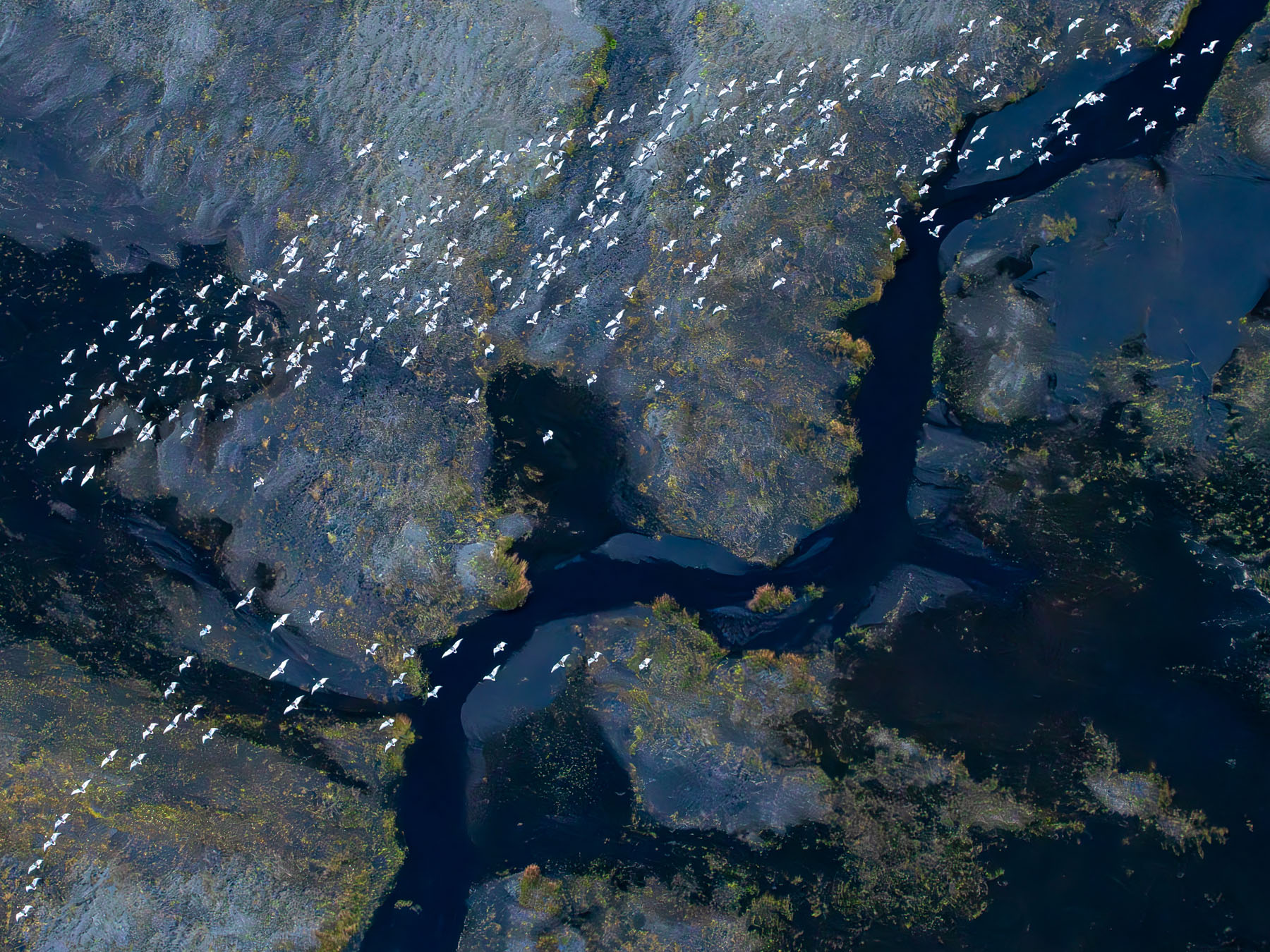
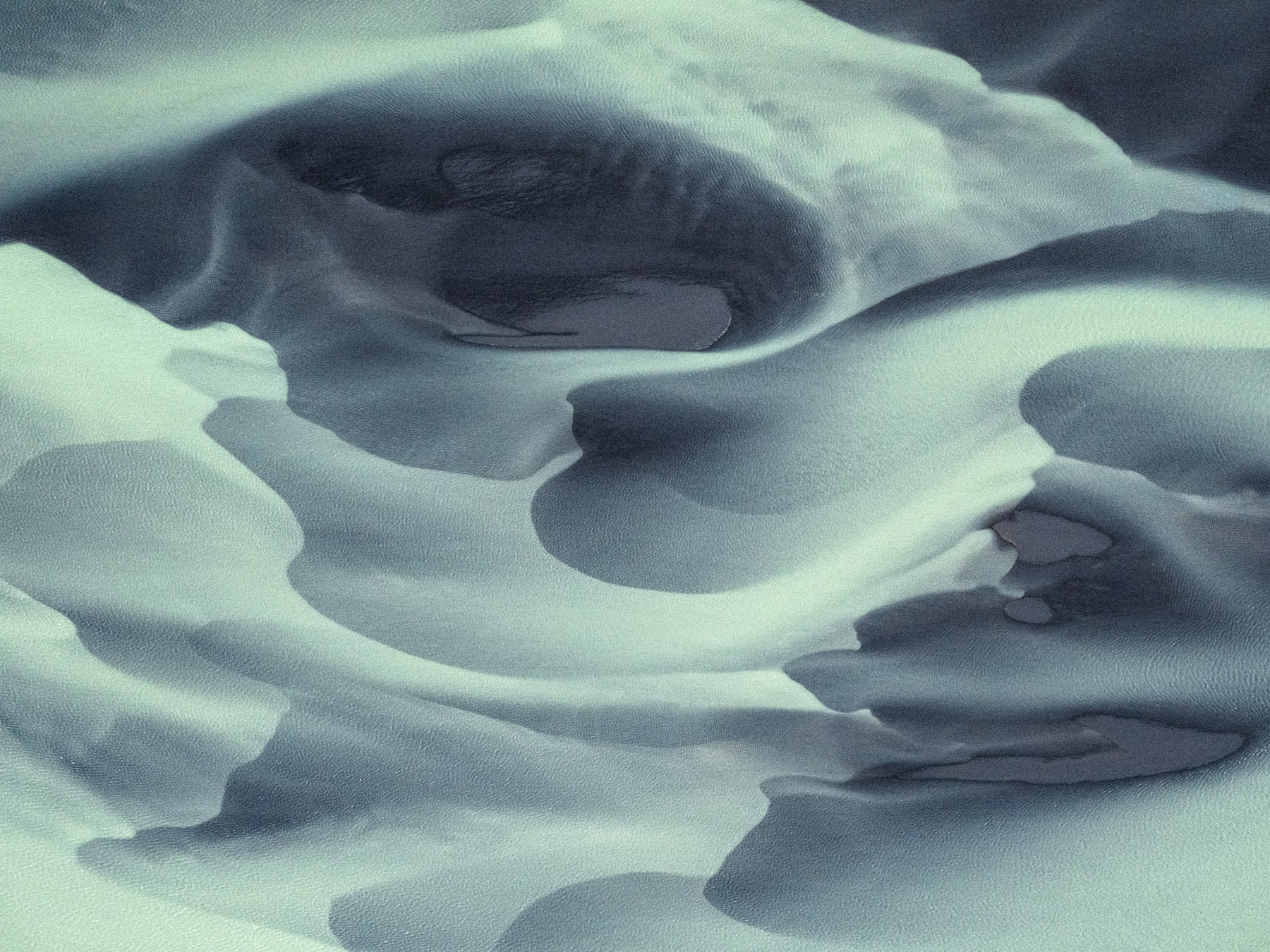
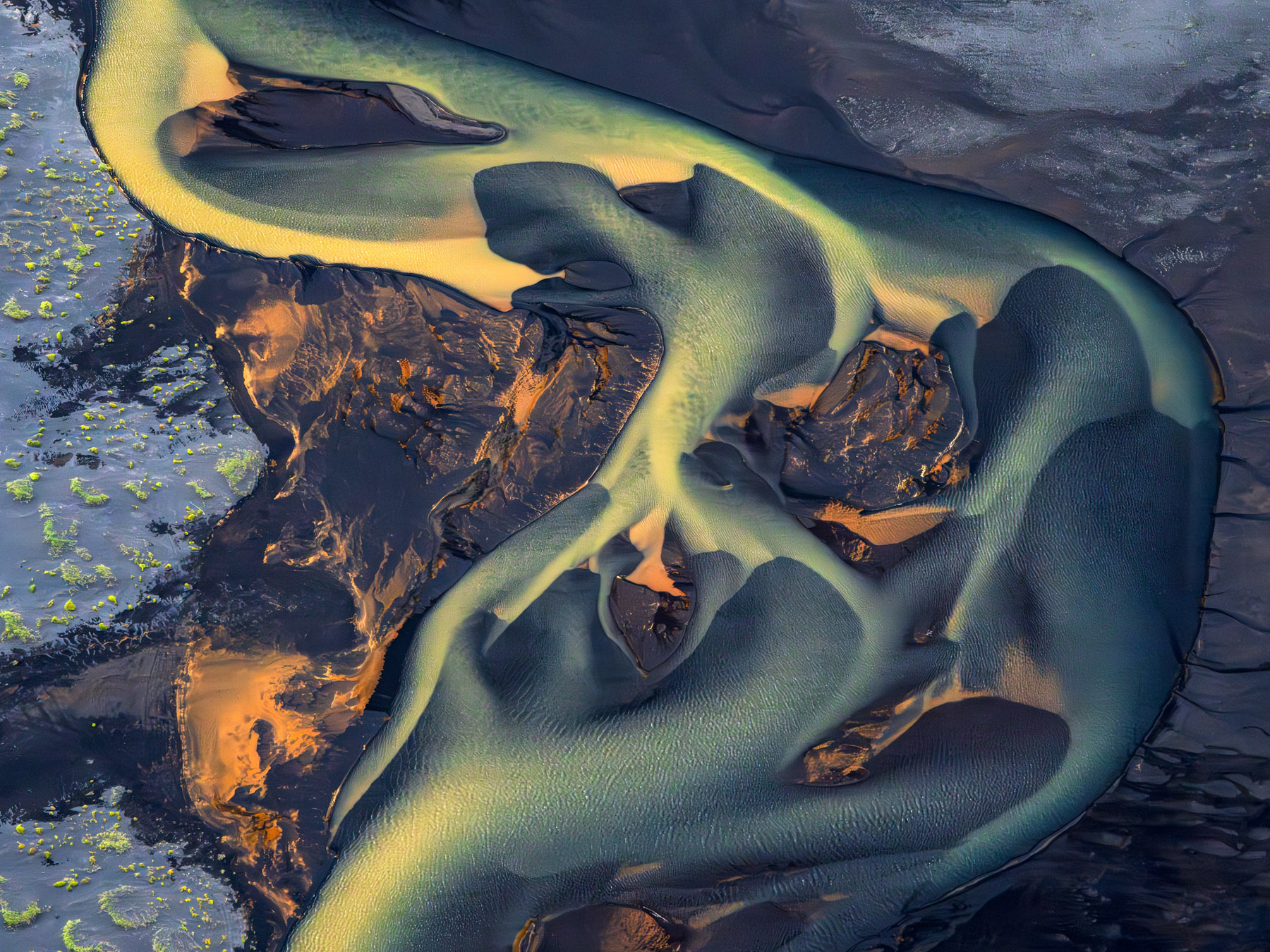
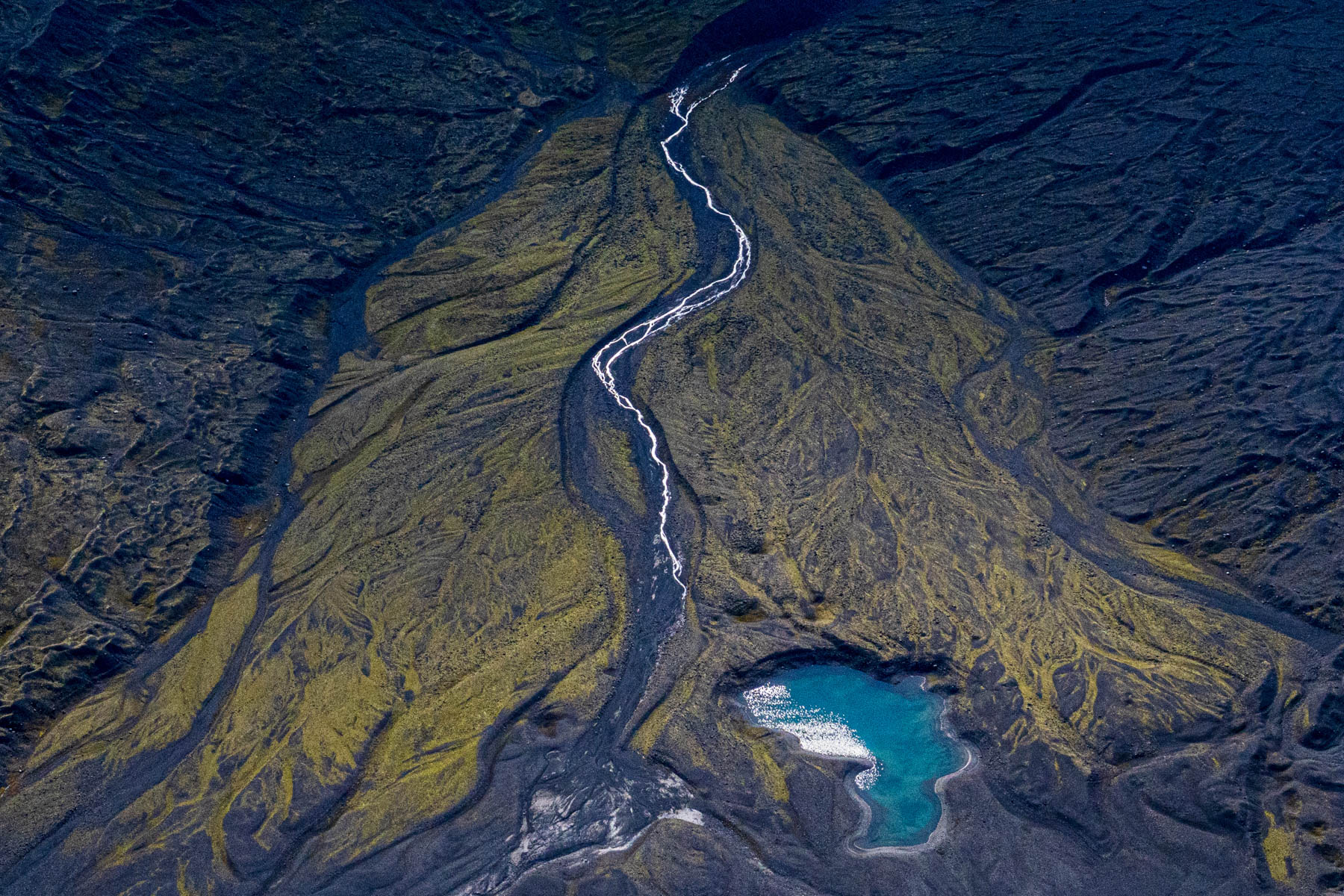
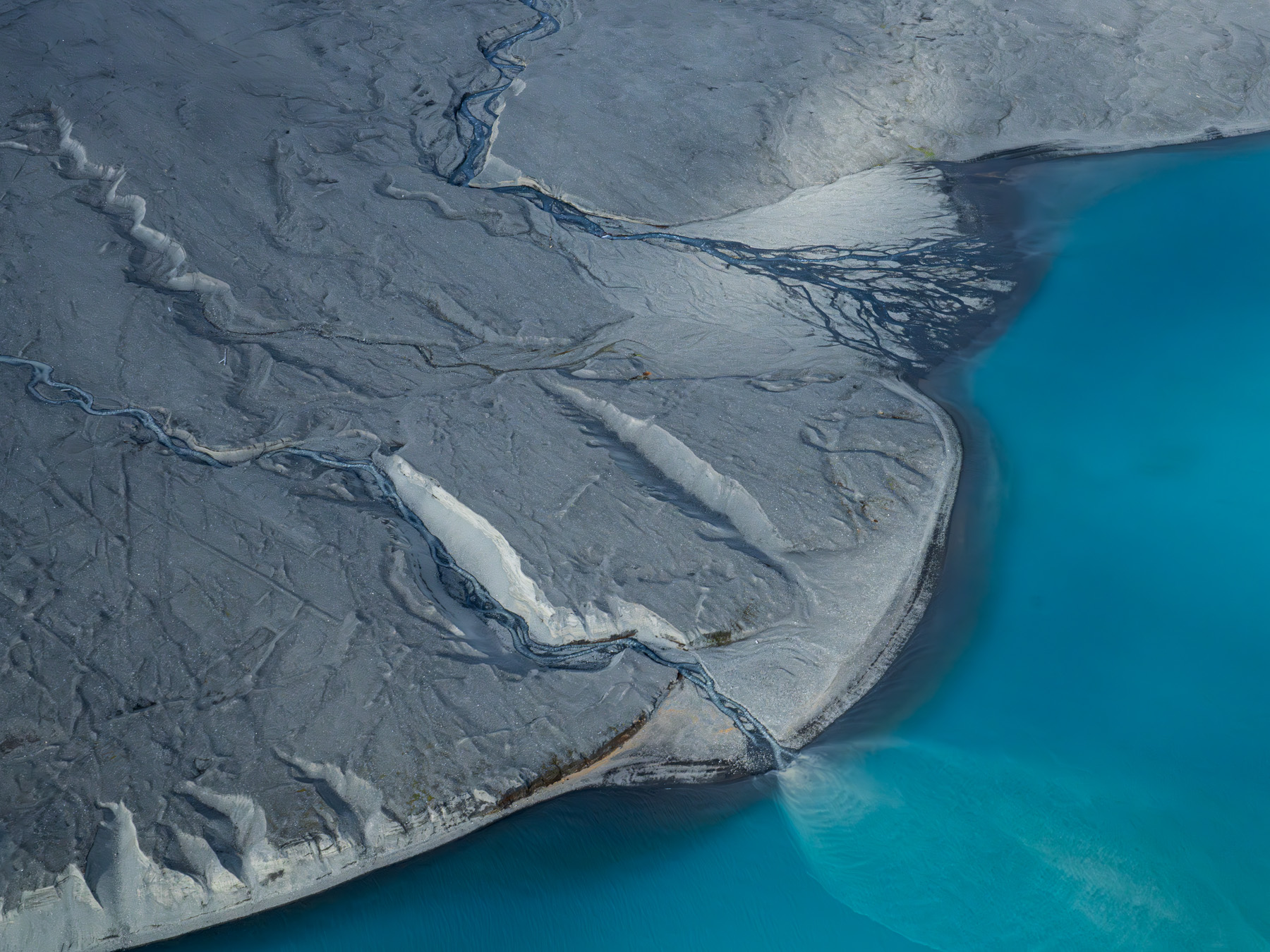
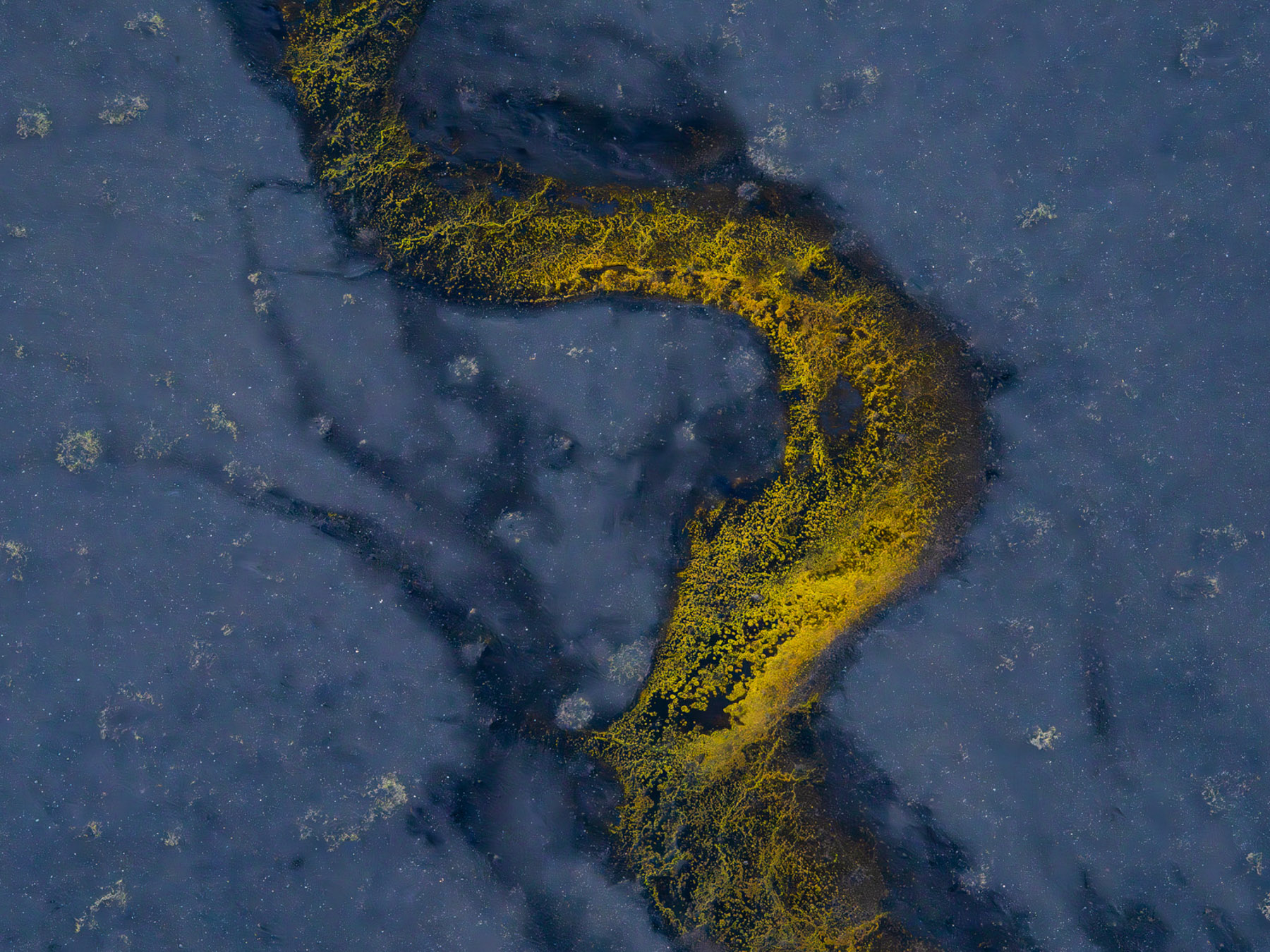
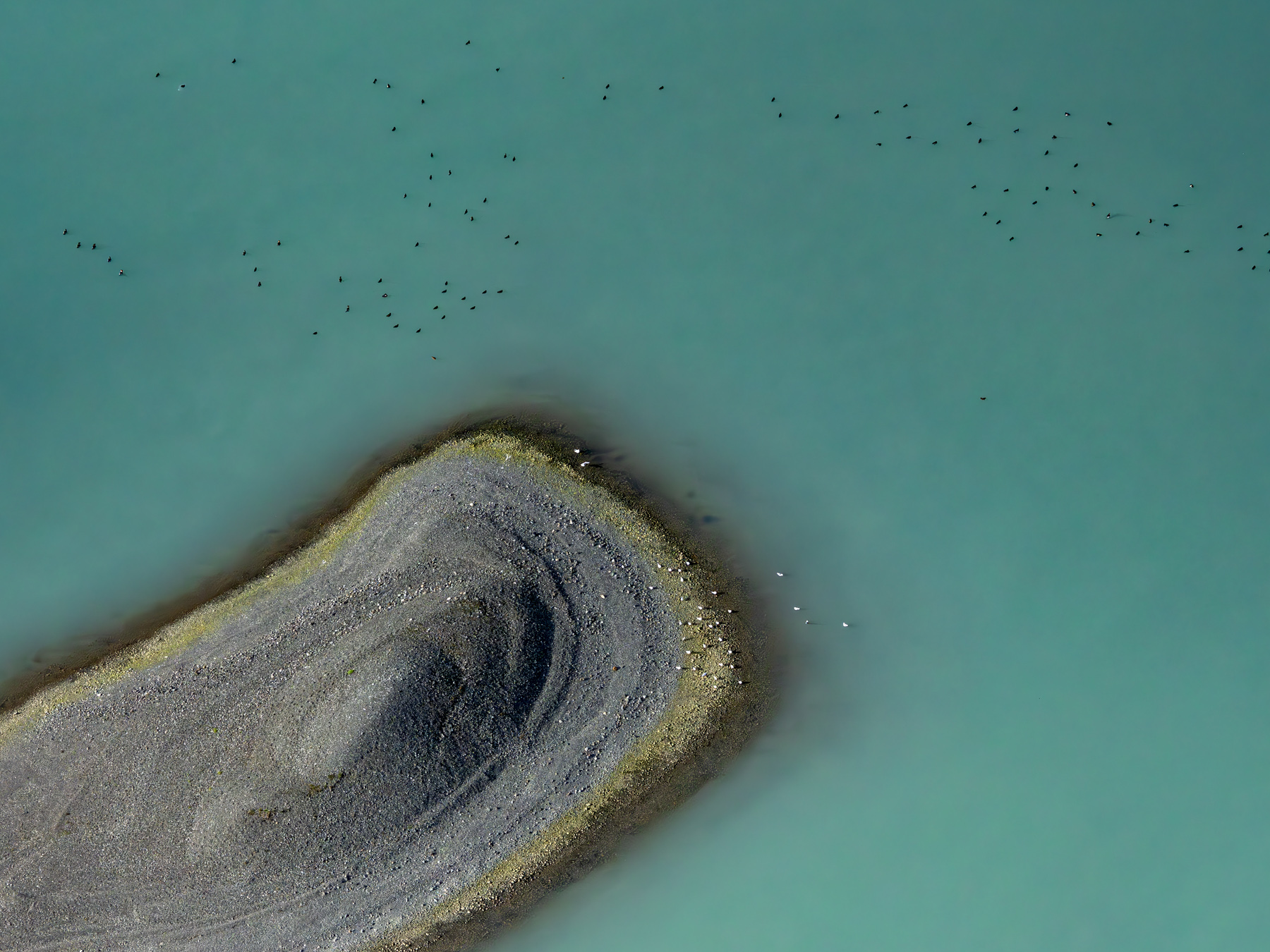
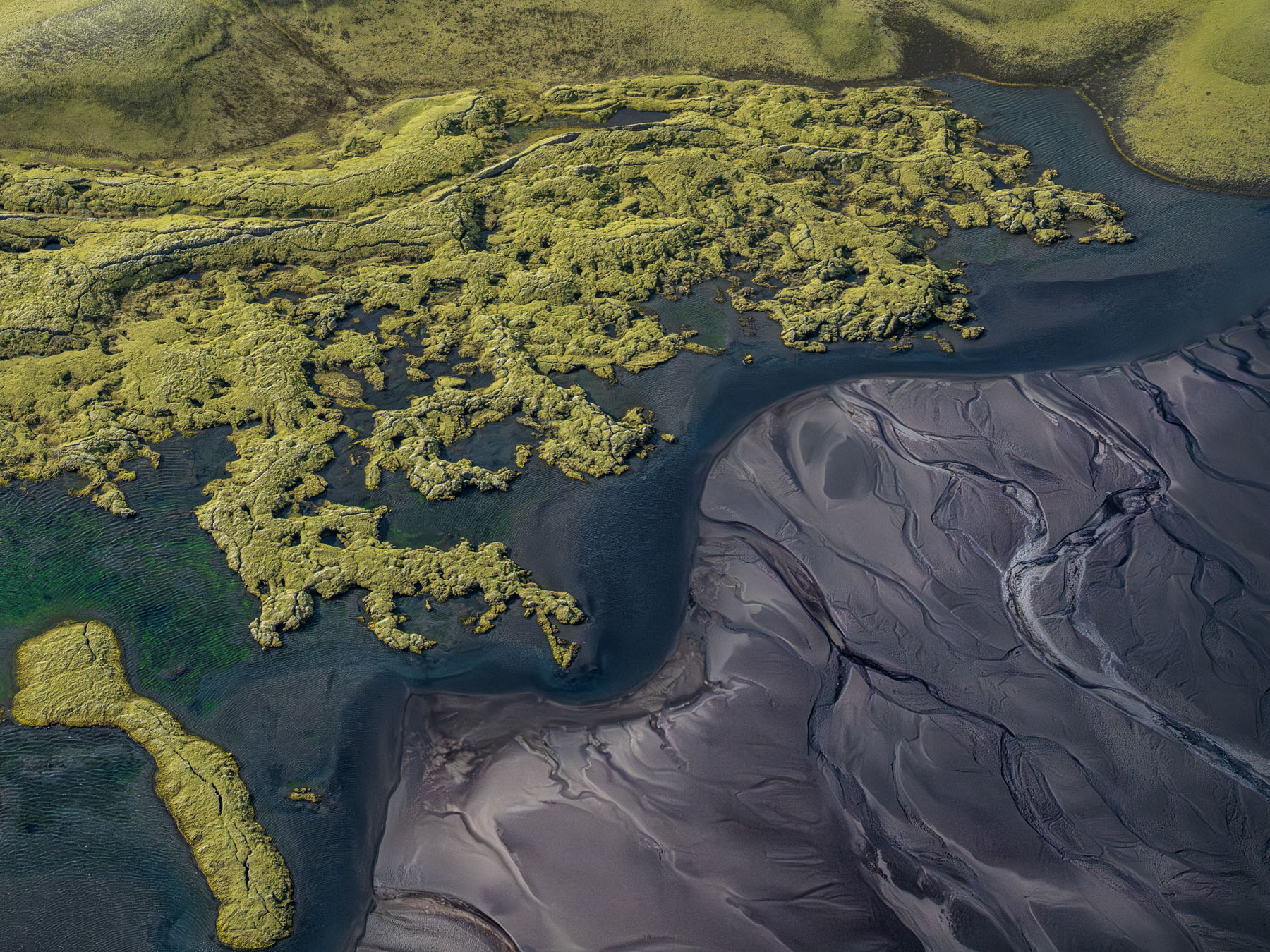
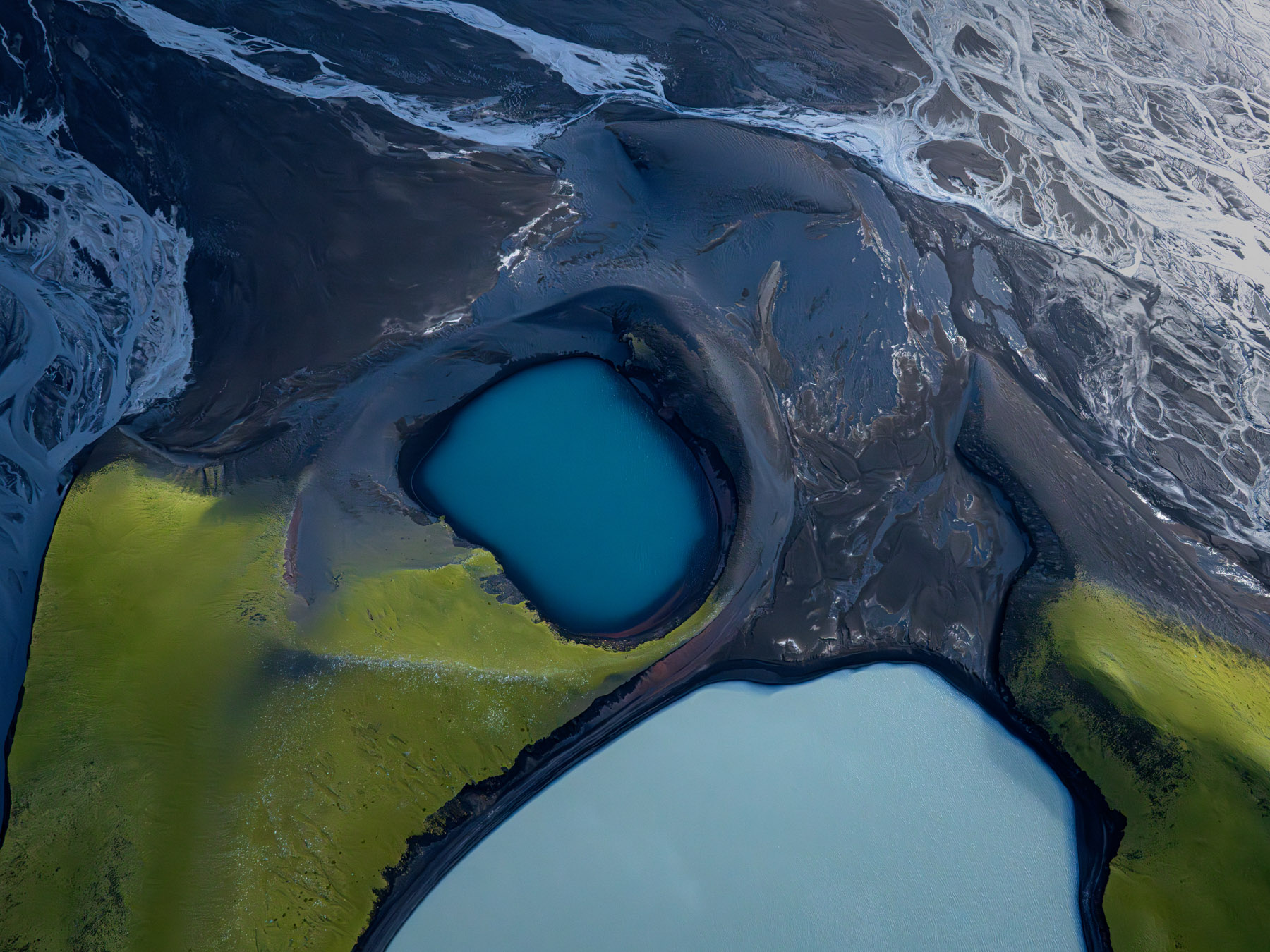
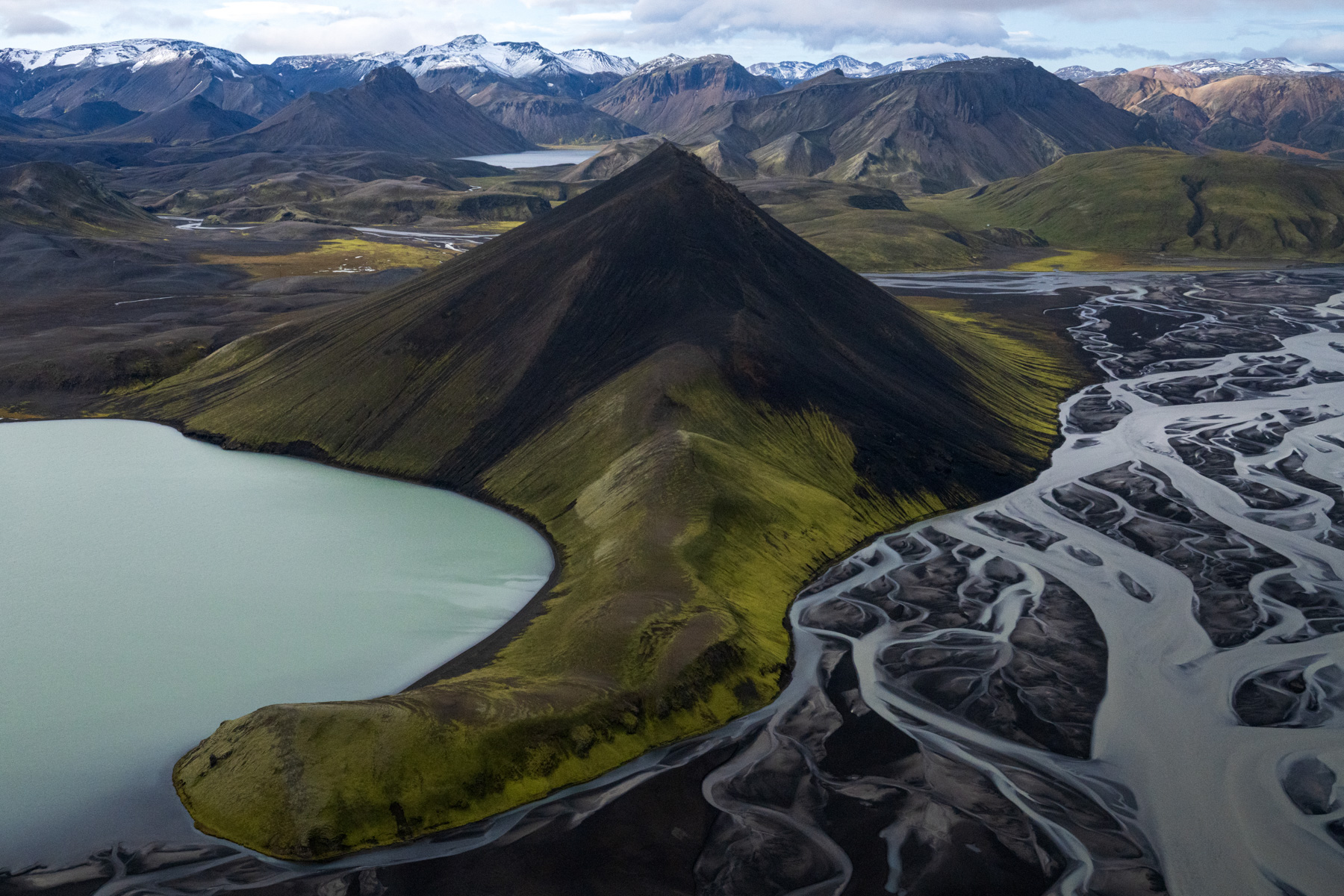
    These aerial landscapes of southeastern Iceland are a meditation on isolation and the sacredness of nature. From above, the colors and textures—glacial whites, volcanic blacks, and the intricate braids of rivers —form an abstract harmony, at times surreal, yet always deeply moving. Suspended in the sky, I am reminded of the land’s sovereignty where human presence fades into insignificance, and the land’s raw grandeur speaks for itself.

    The sanctity of the land is striking. Unlike the waste and neglect I often encounter elsewhere, here the expanse breathes freely—untouched, unscarred, sovereign. These images, with their vibrant colors and shifting patterns, are not only a celebration of Iceland’s natural majesty but also a call to action—a reflection on our relationship with the earth and our responsibility to preserve it.

  • Beyond the Backyard

    Beyond the Backyard

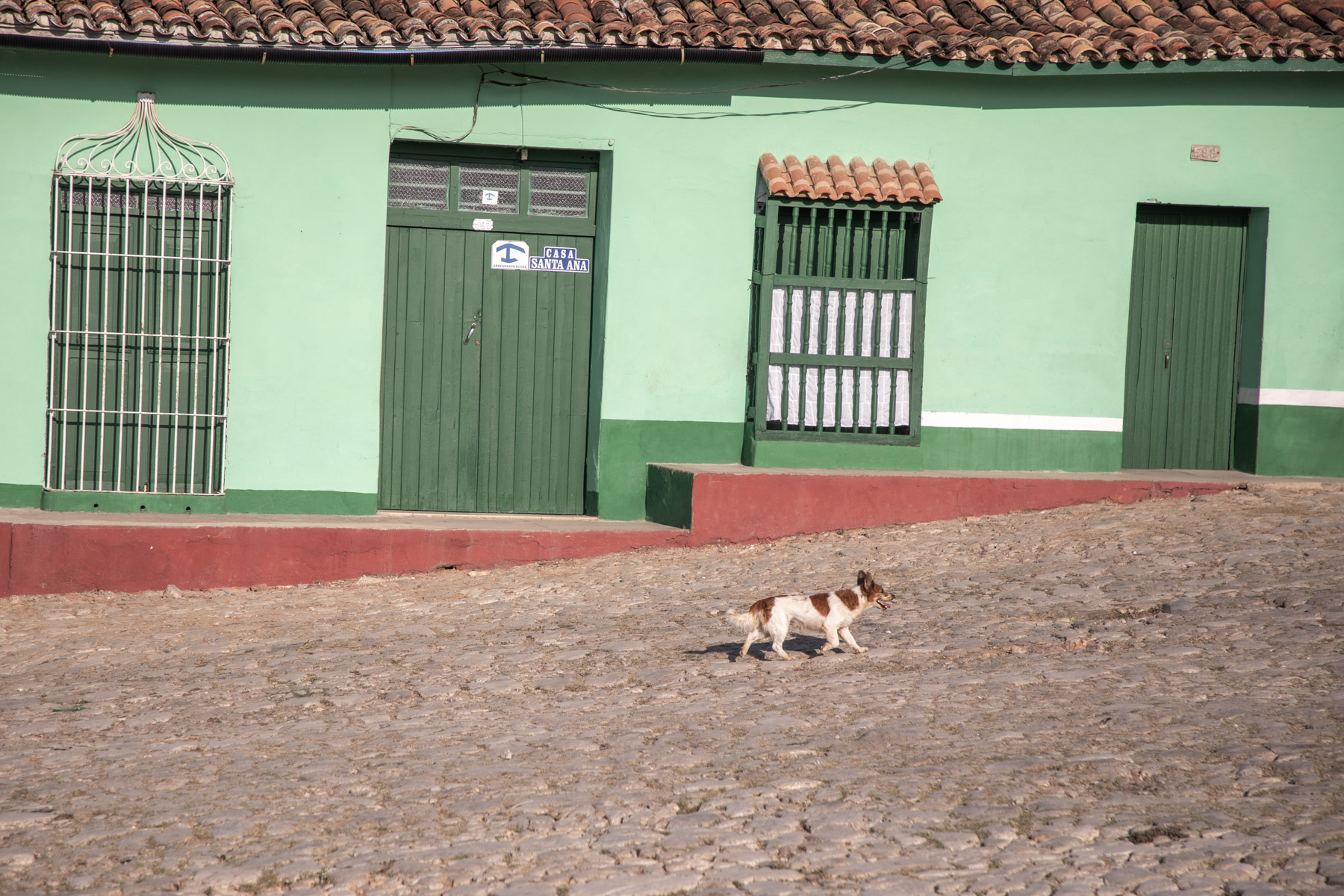
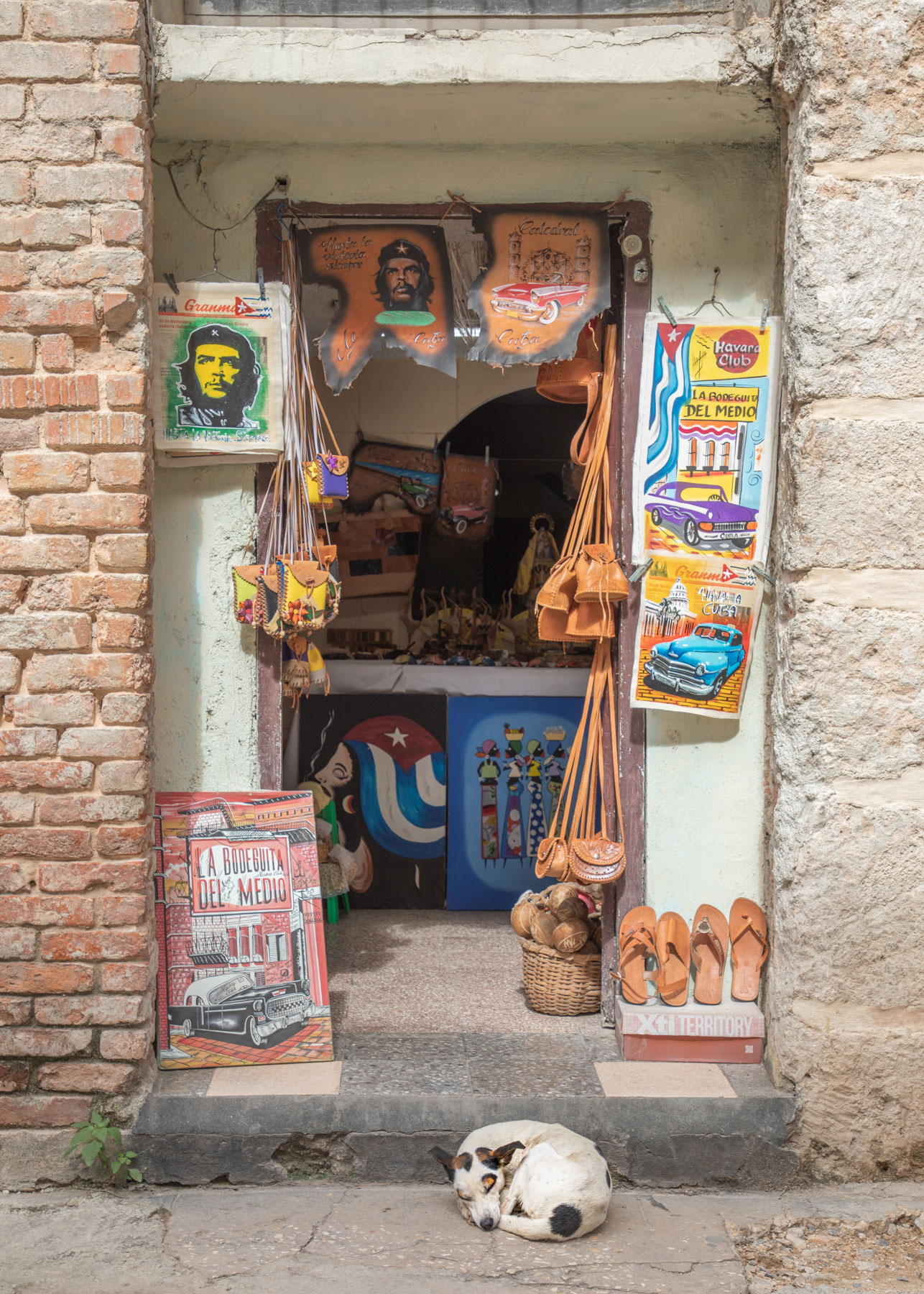
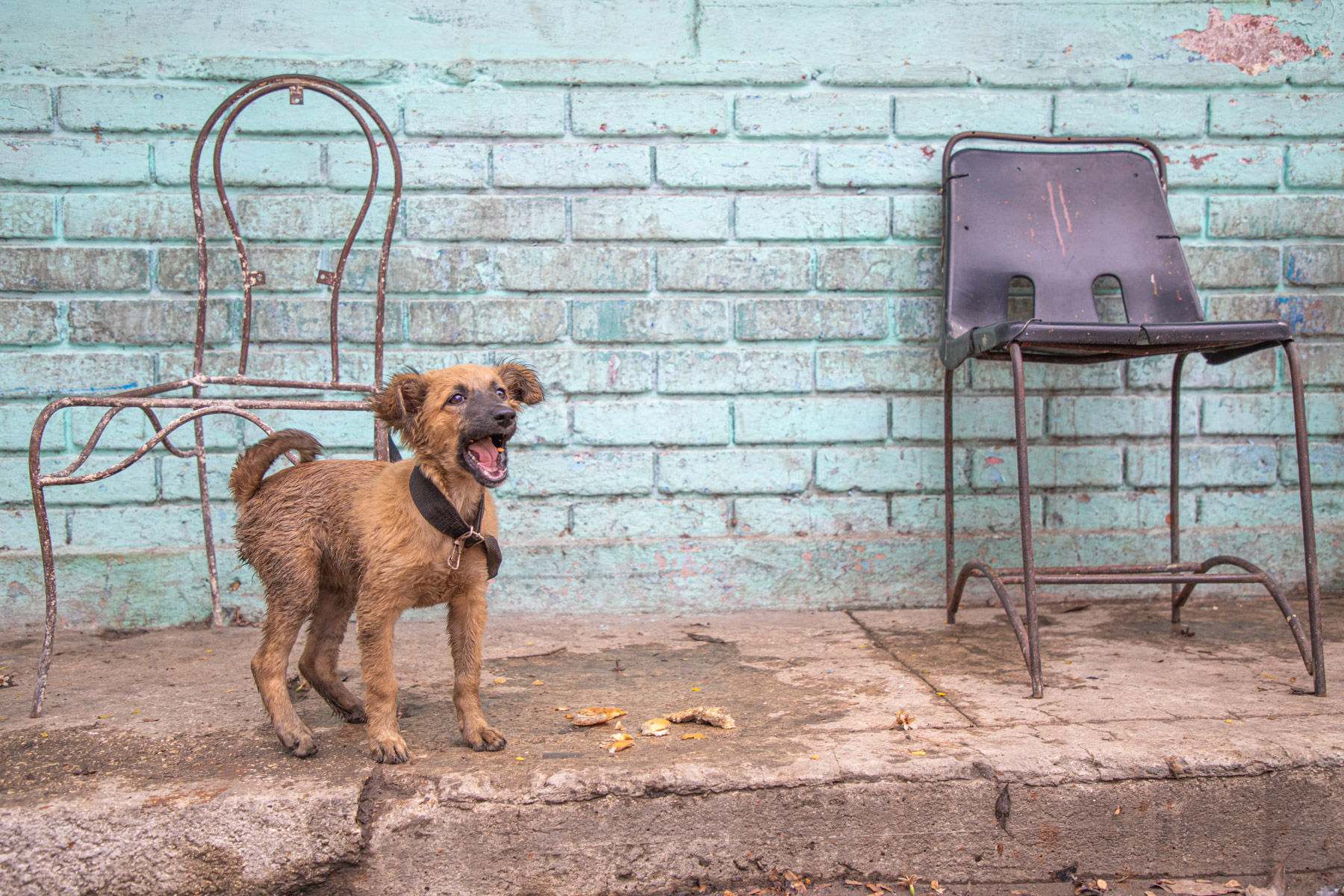
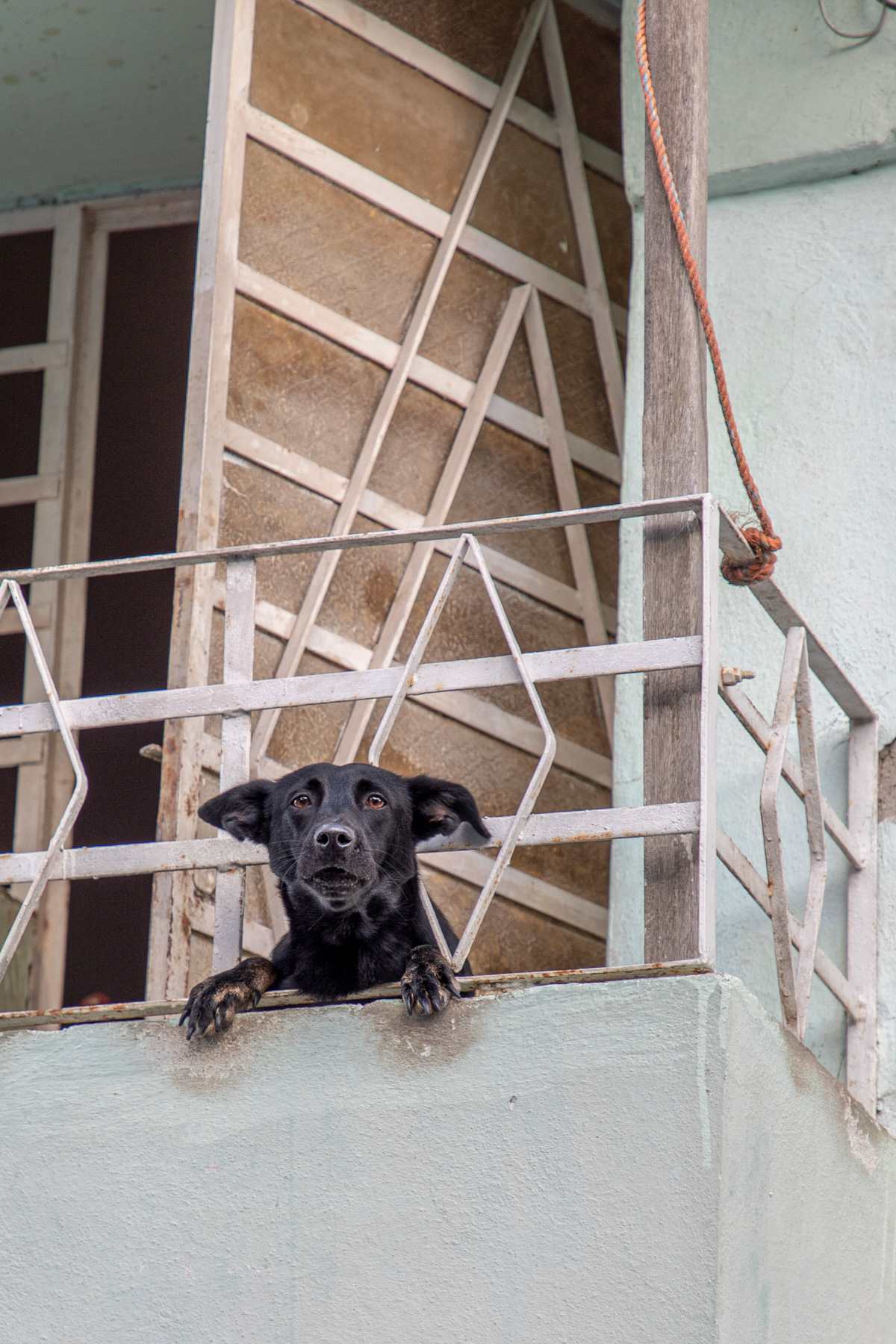
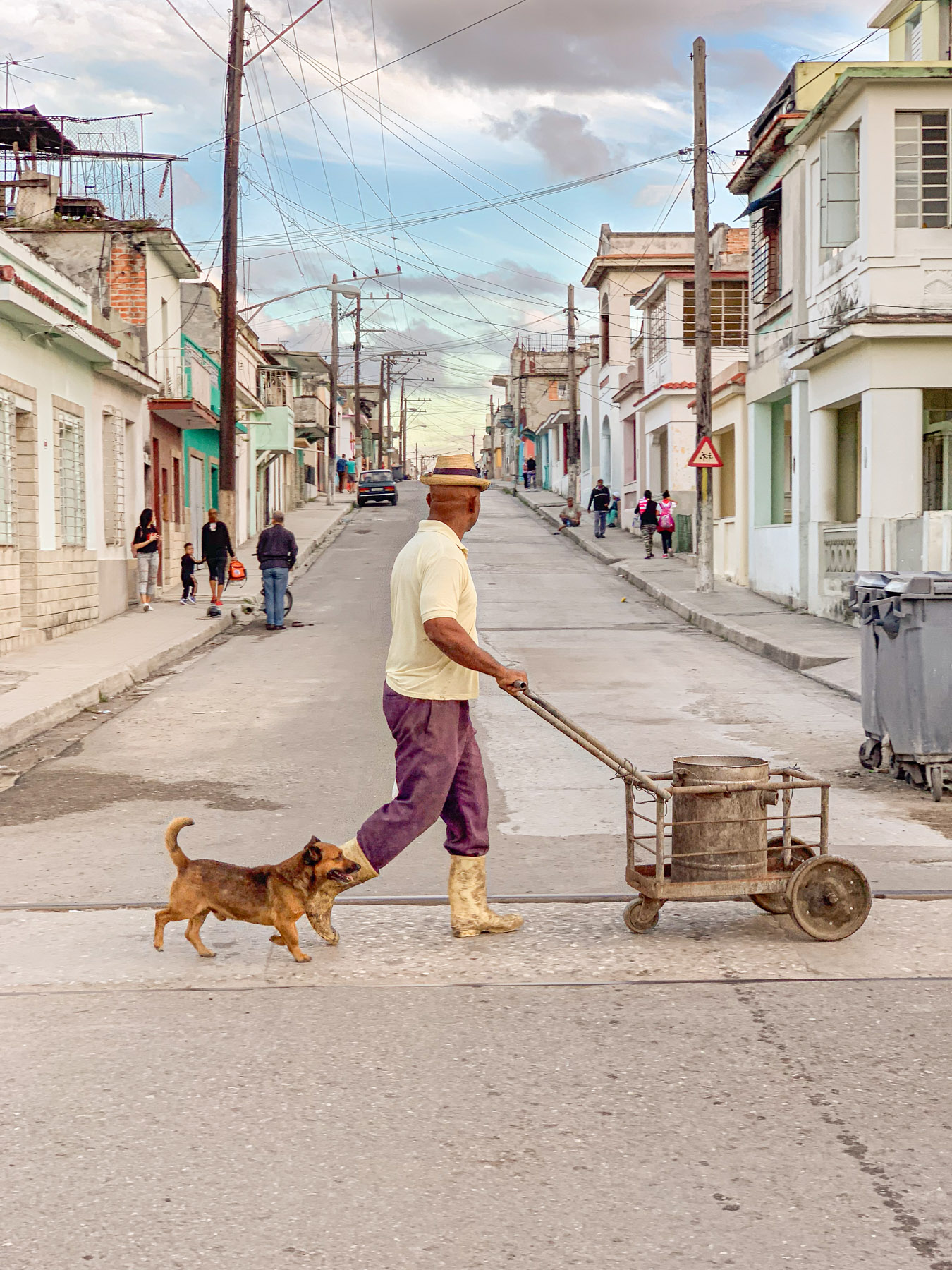
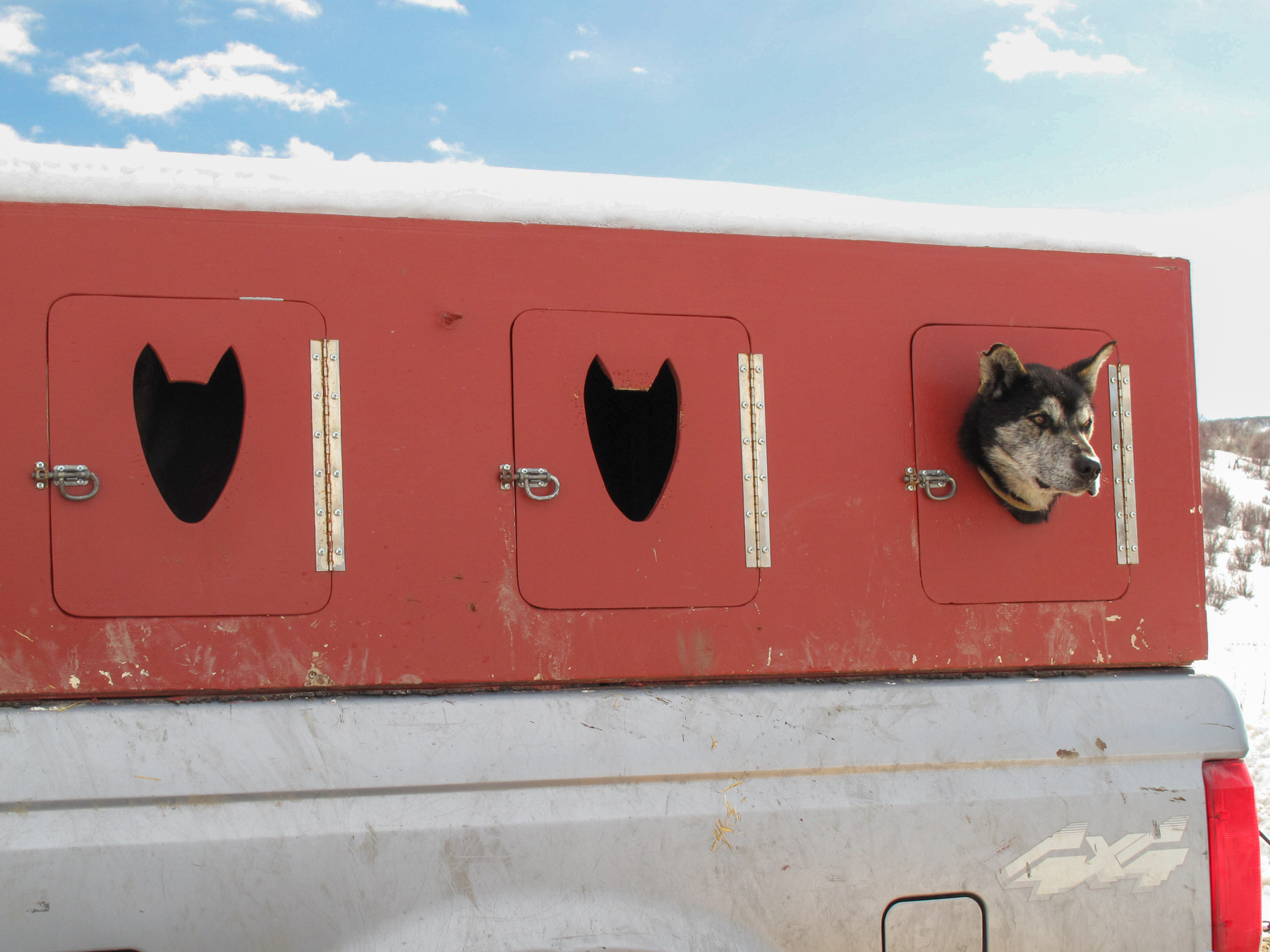
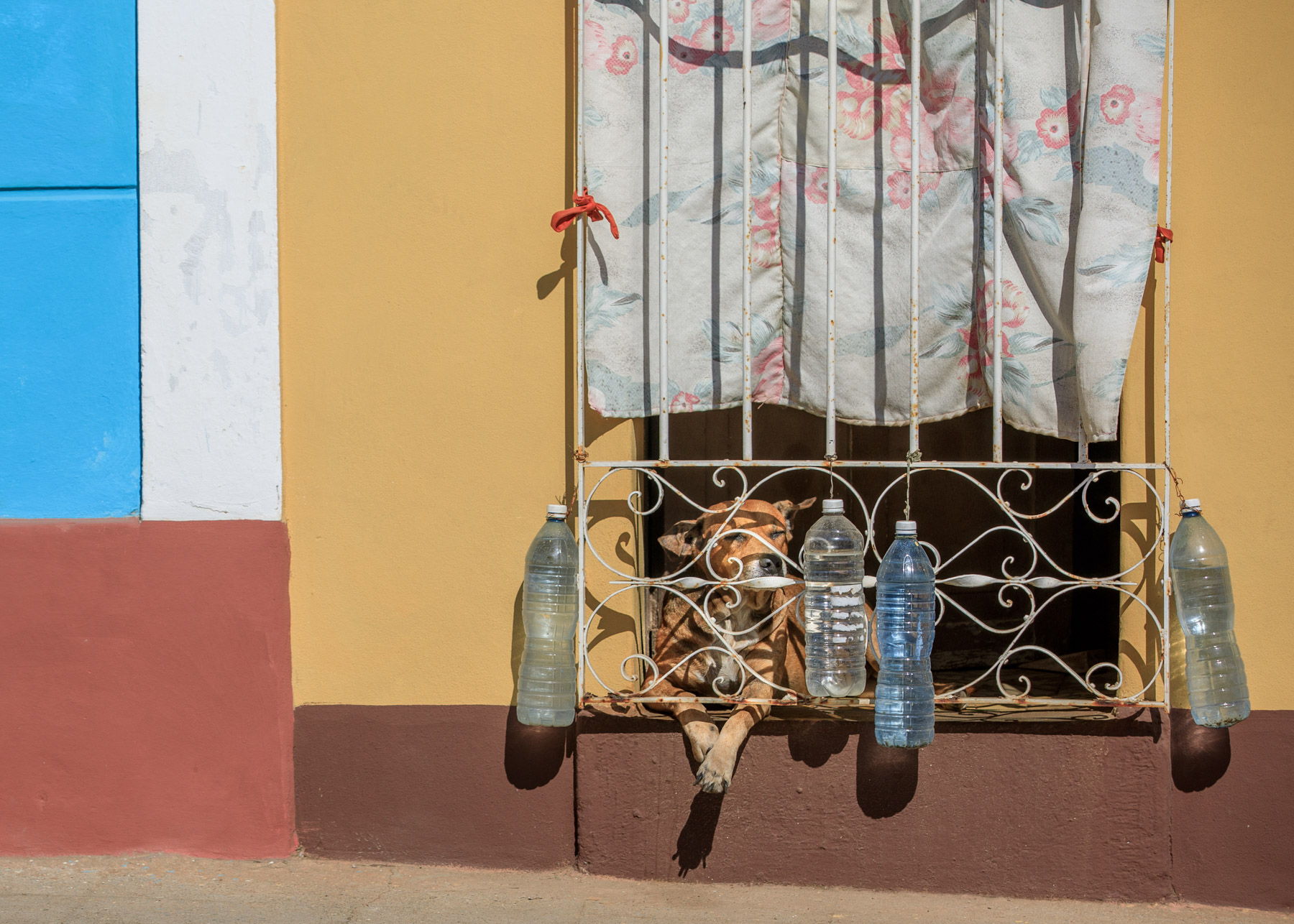
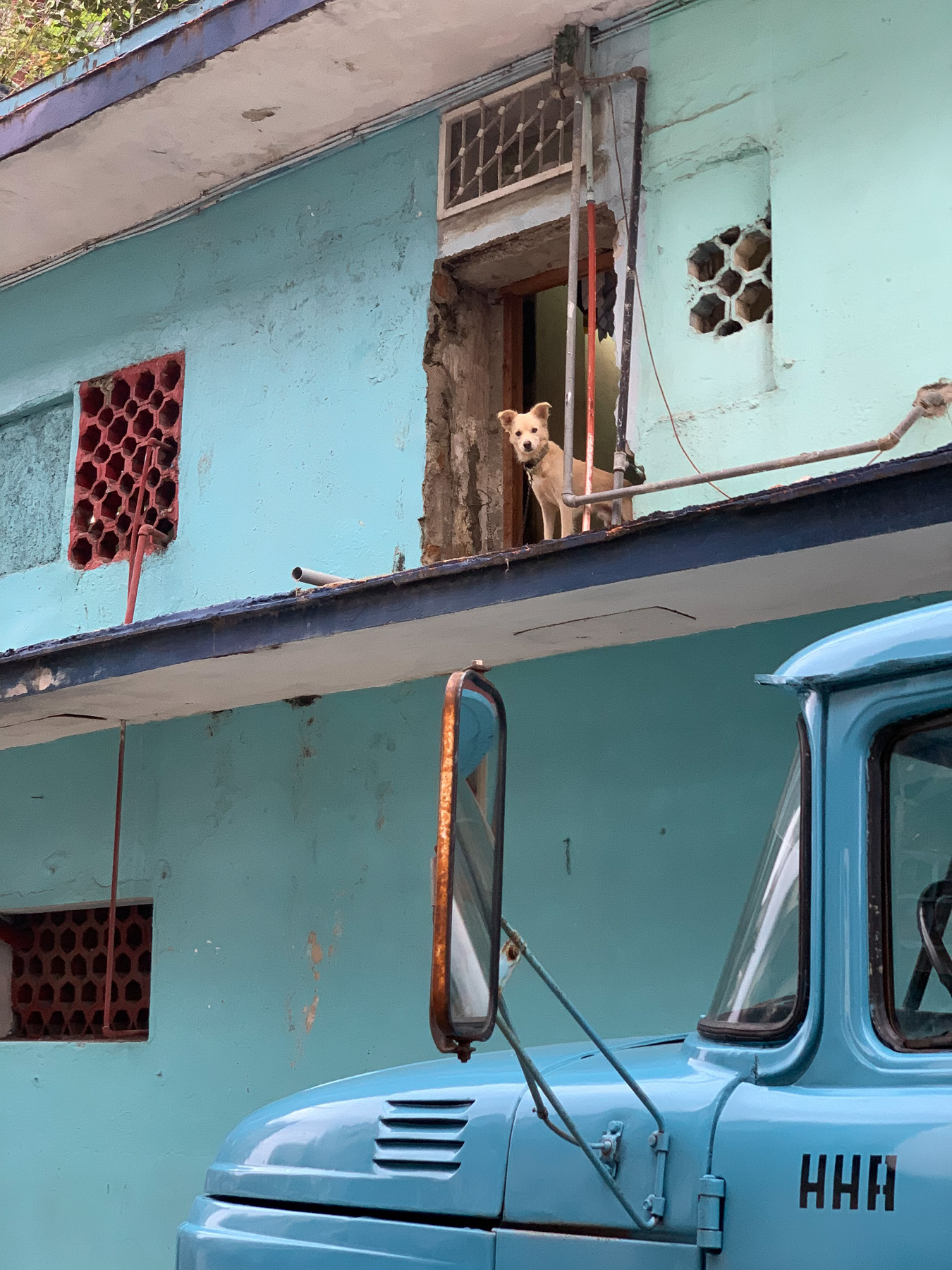
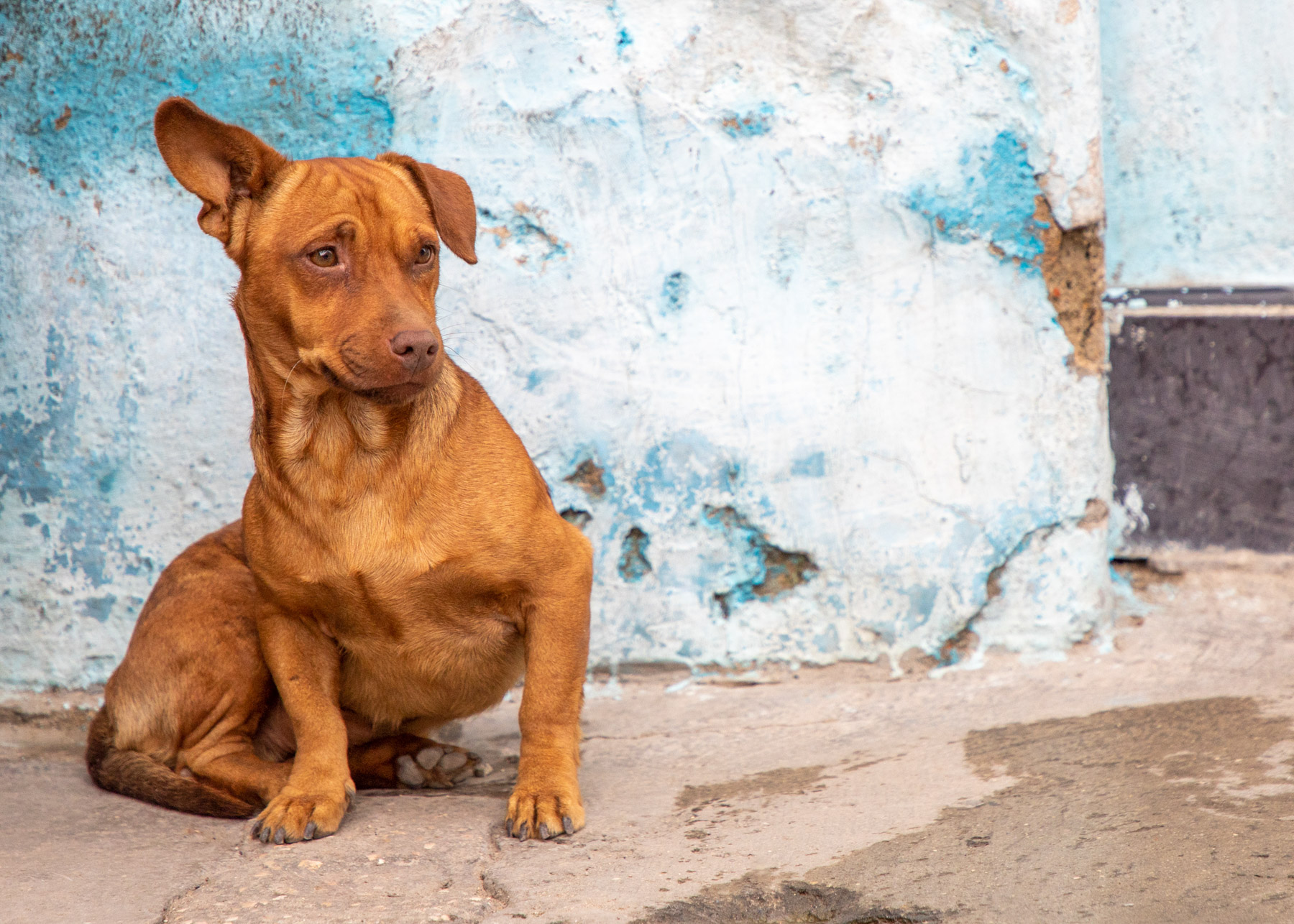
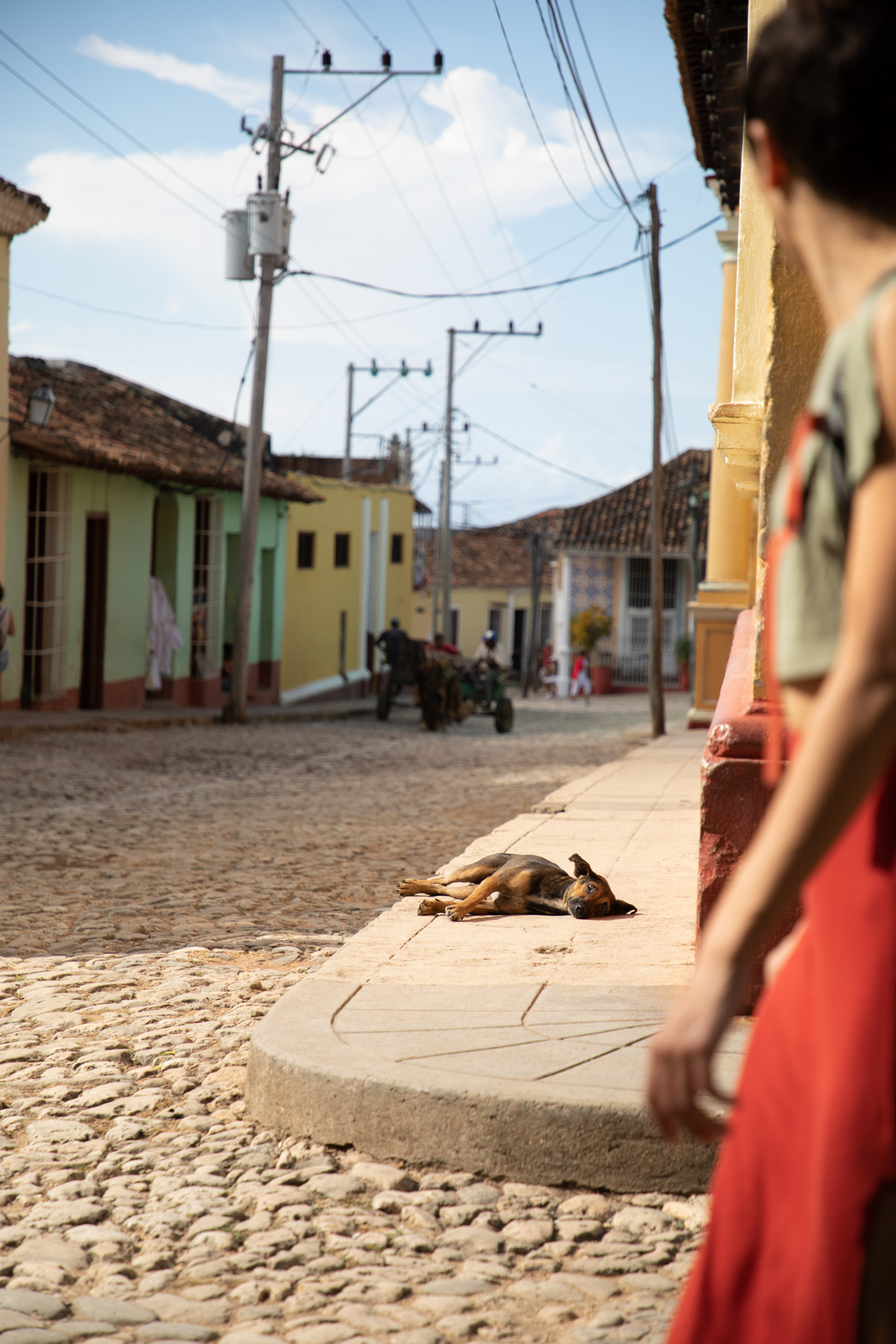
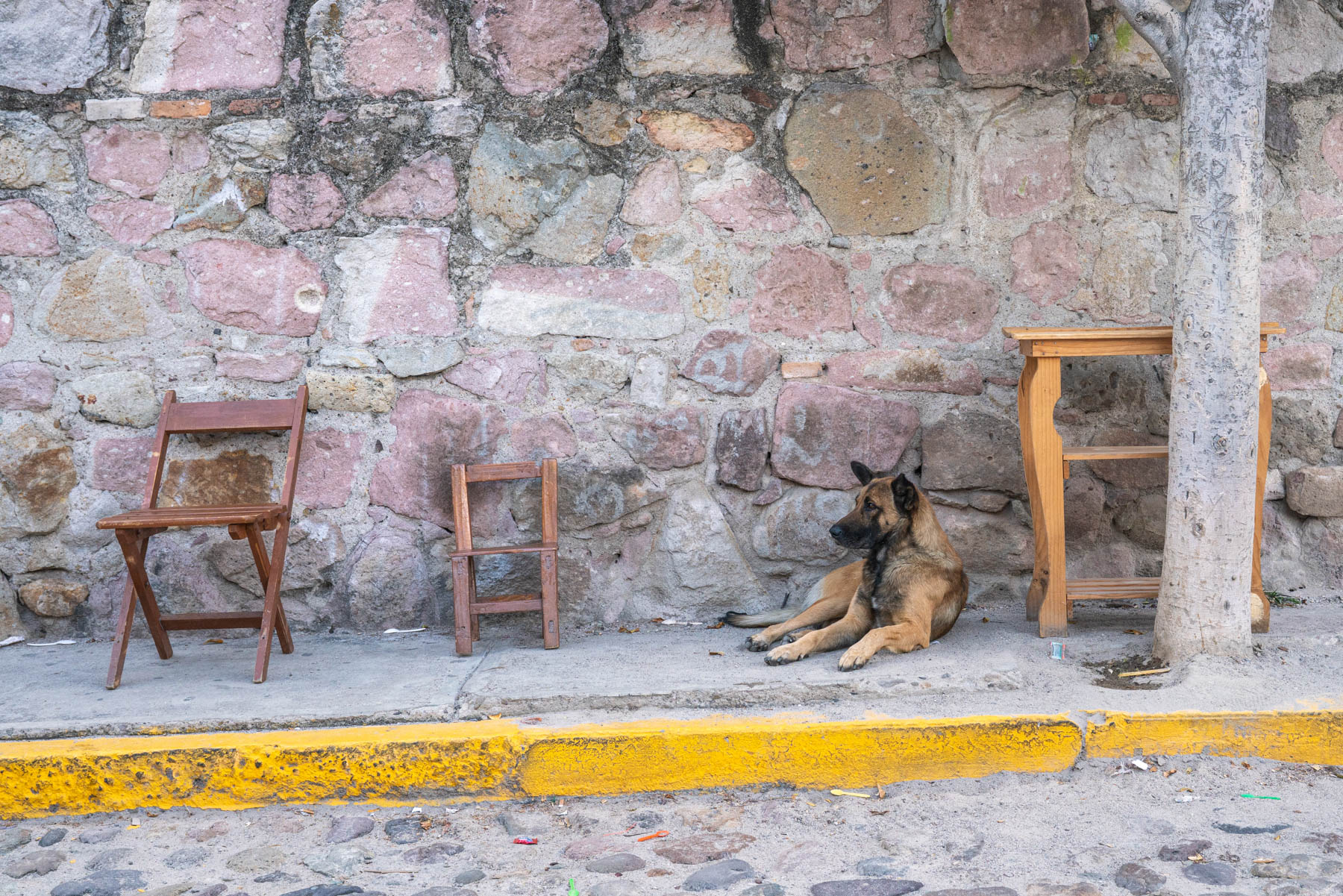
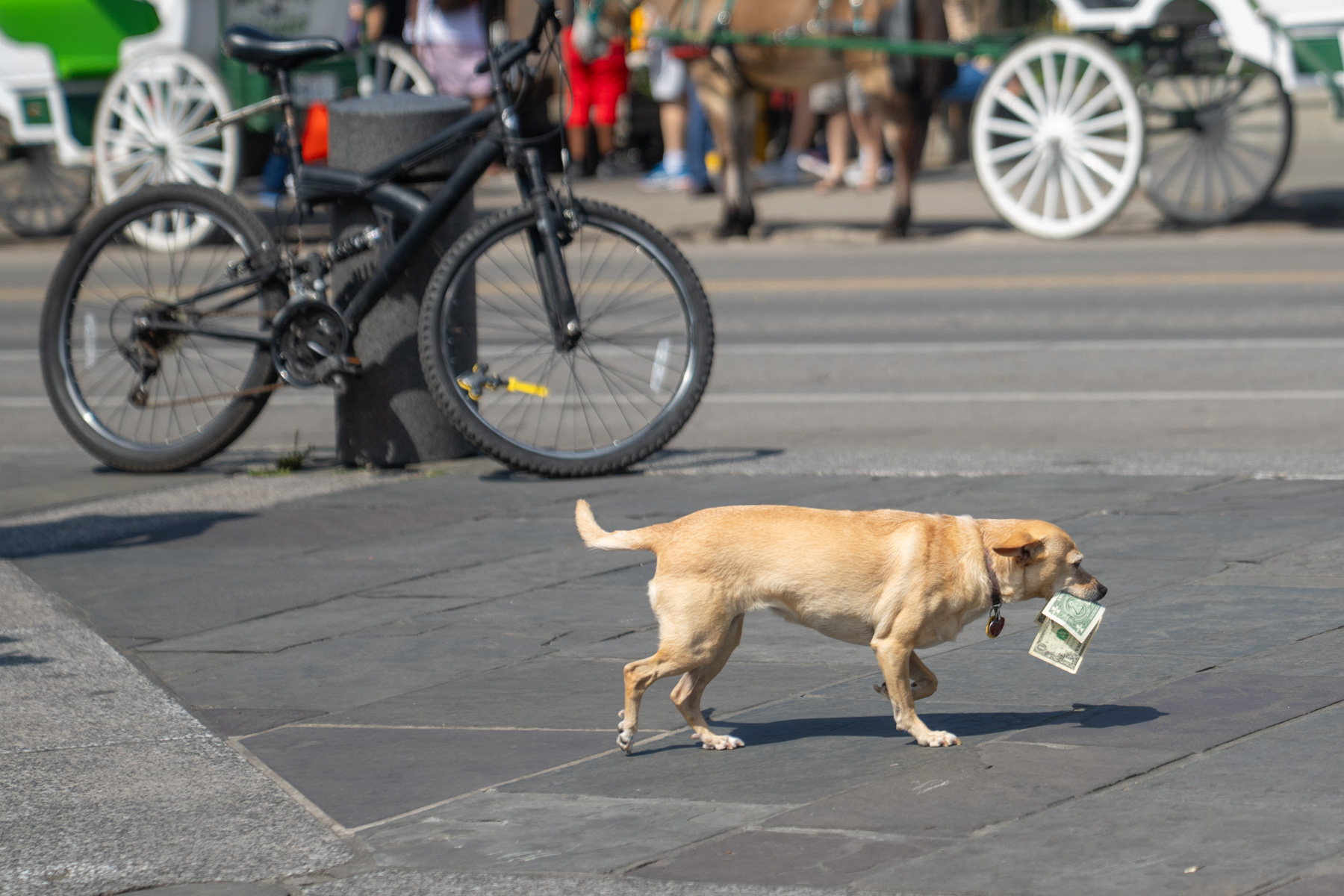
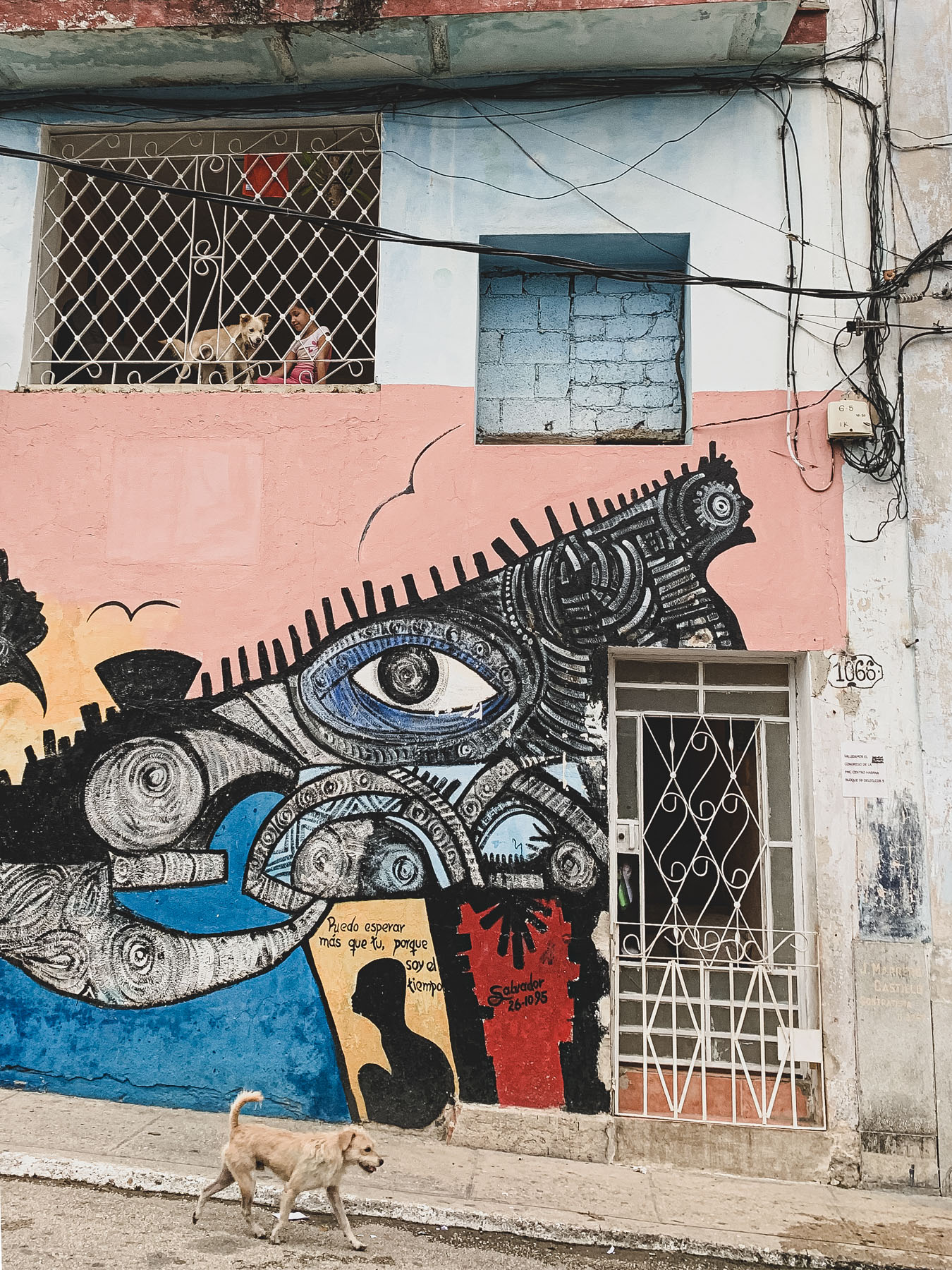
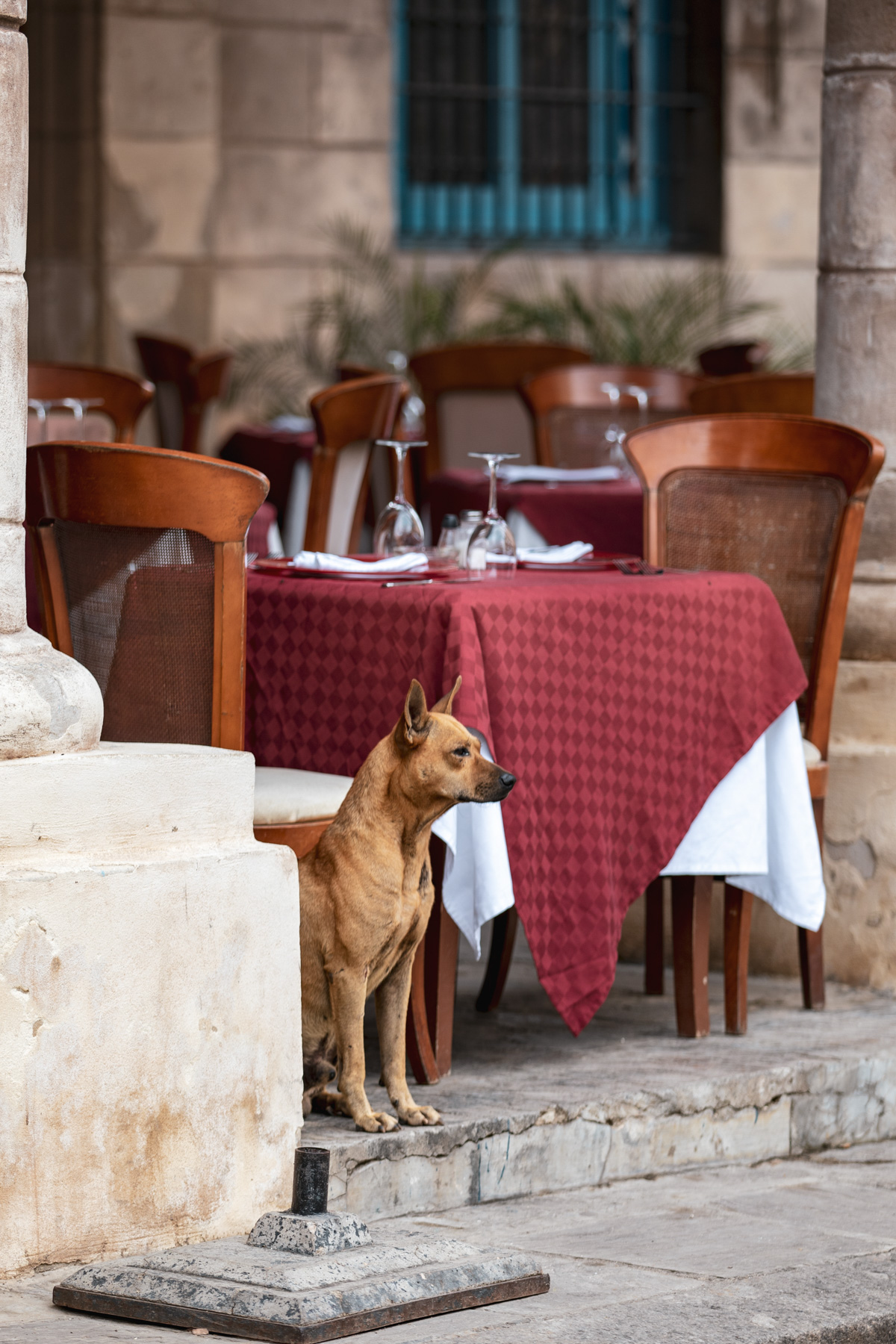
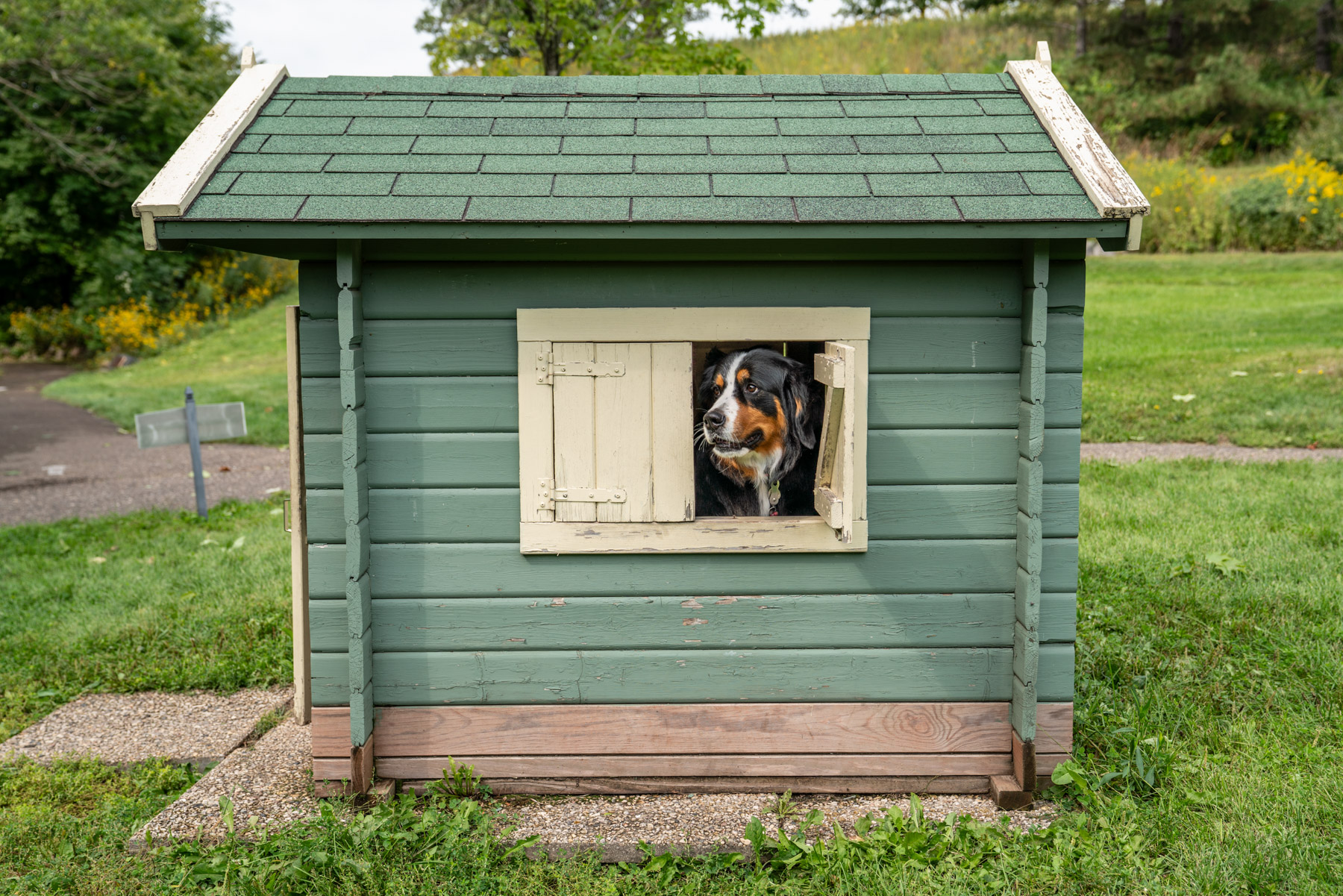
    This project captures the lives of dogs outside the home, from city streets to open fields. No matter where in the world they are, dogs share the same playful, loyal, and instinctive behaviors, revealing a universal bond between people and their canine companions.

  • Heartbeat of Lalibela

    Heartbeat of Lalibela

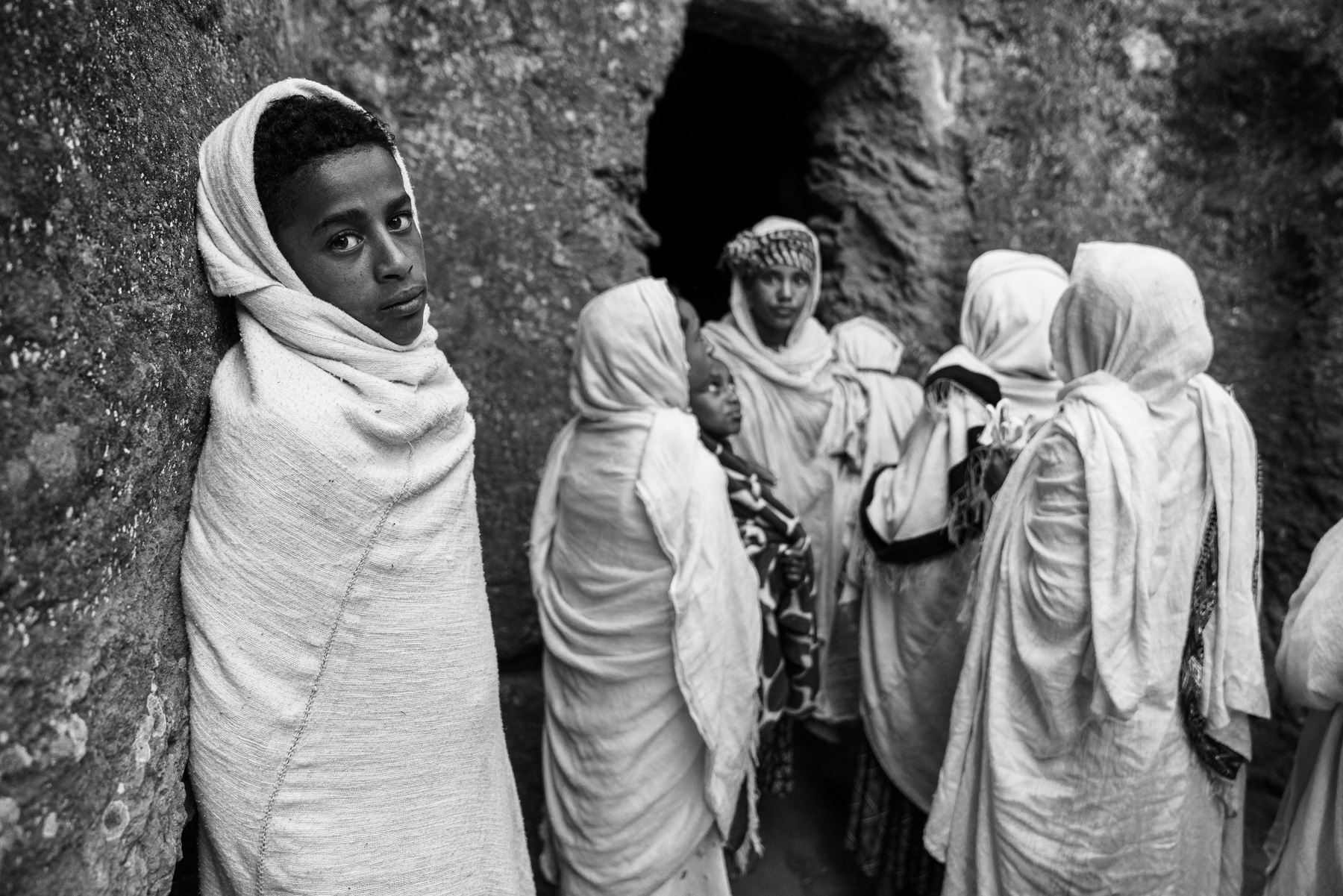
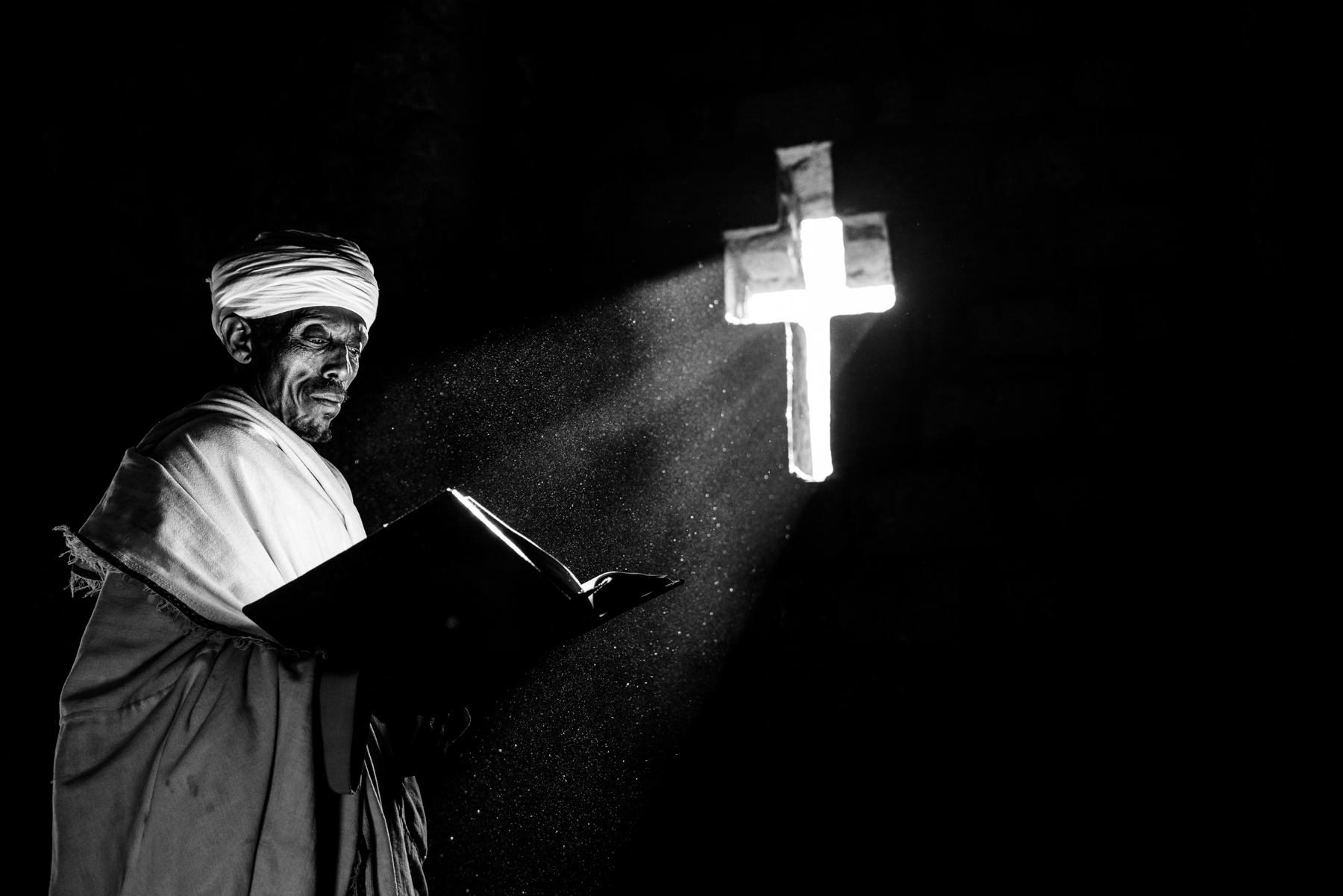
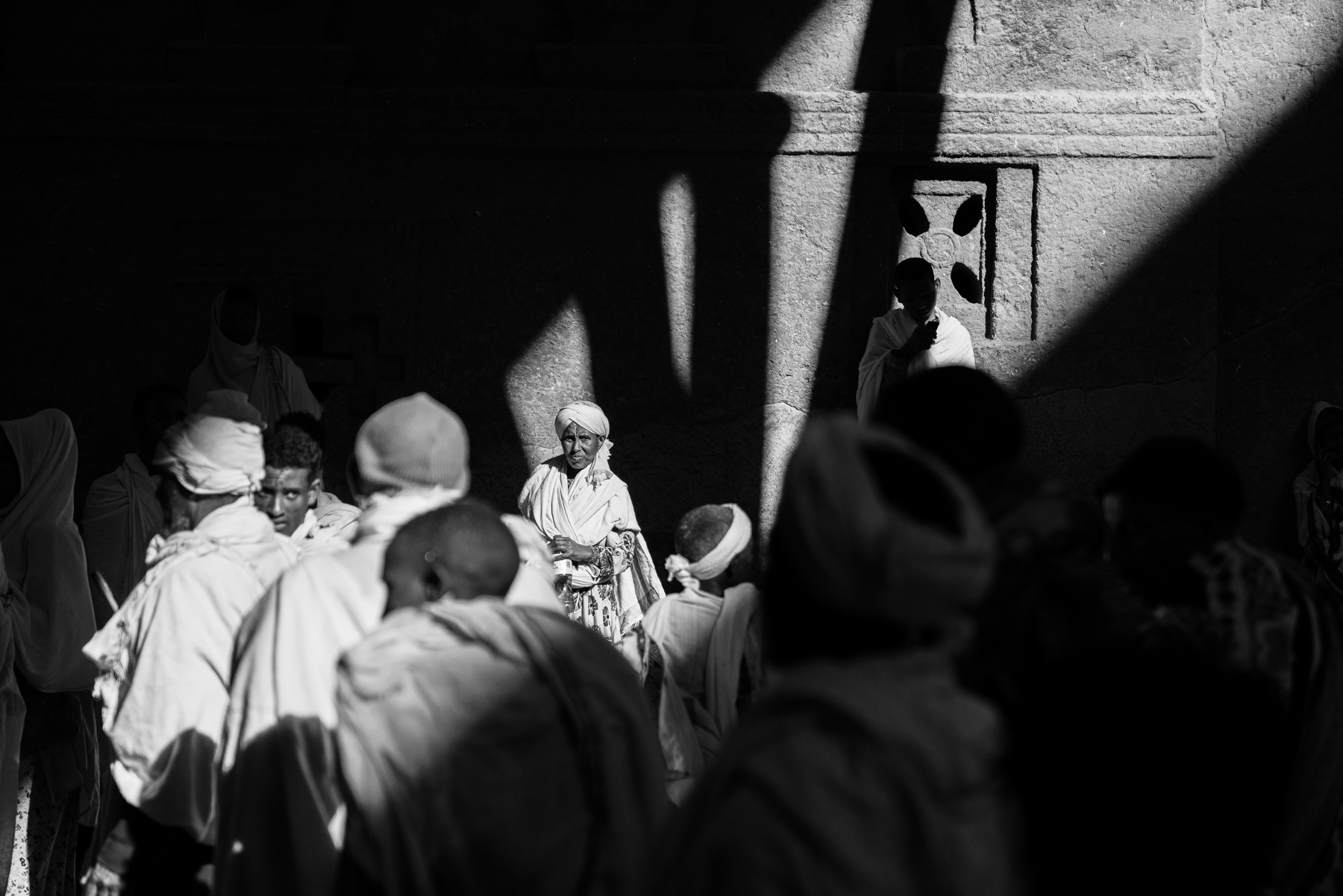
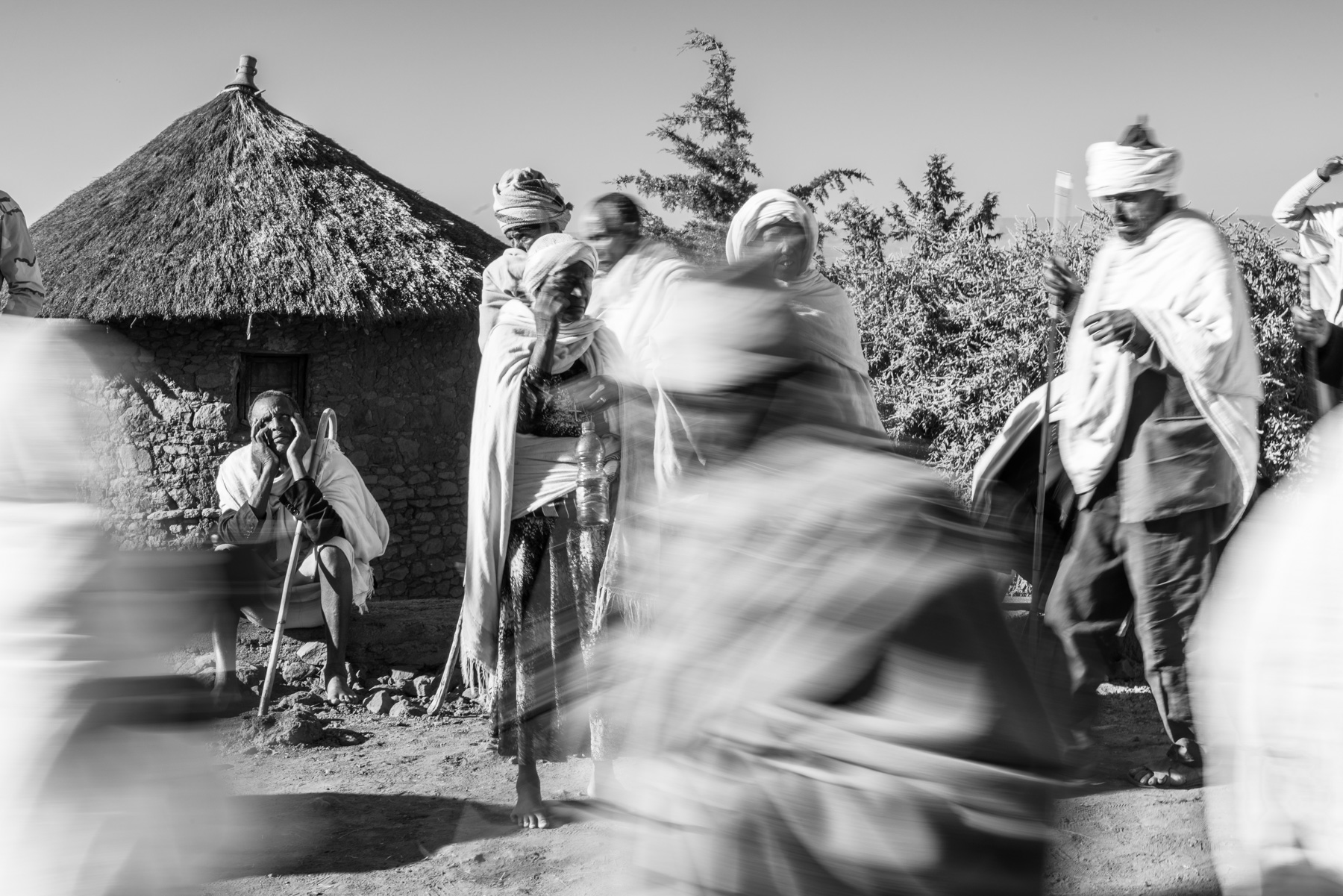
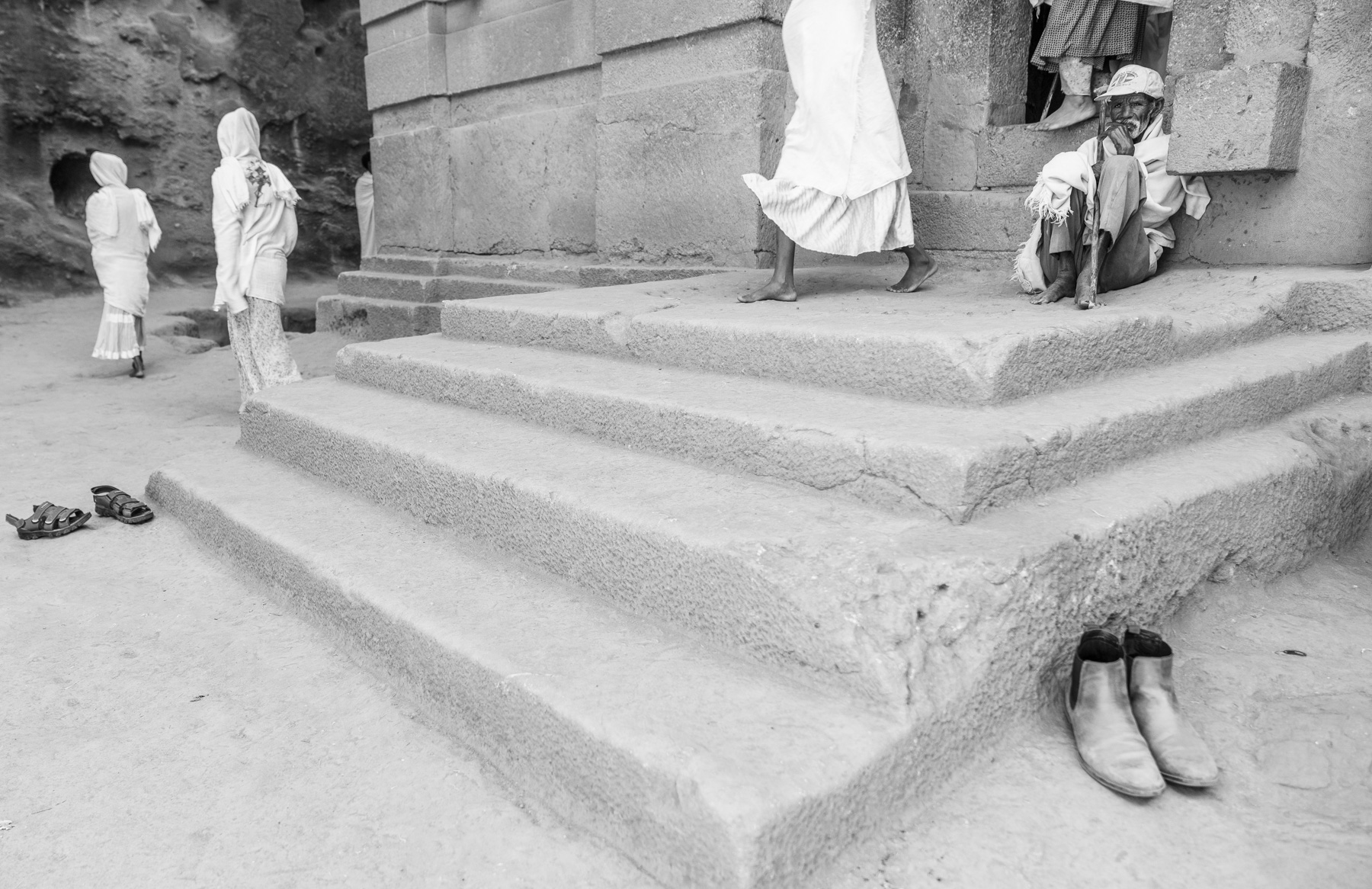
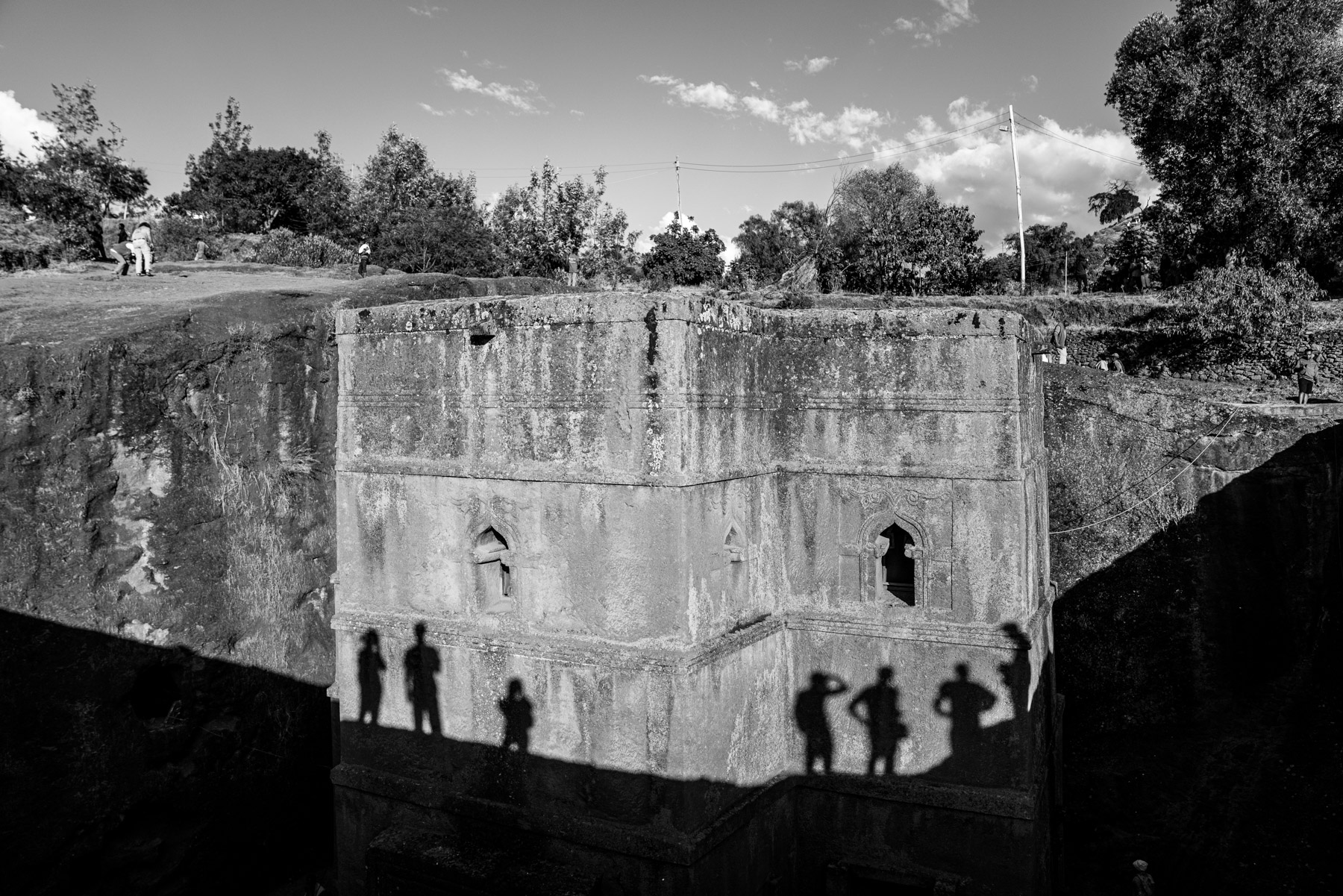
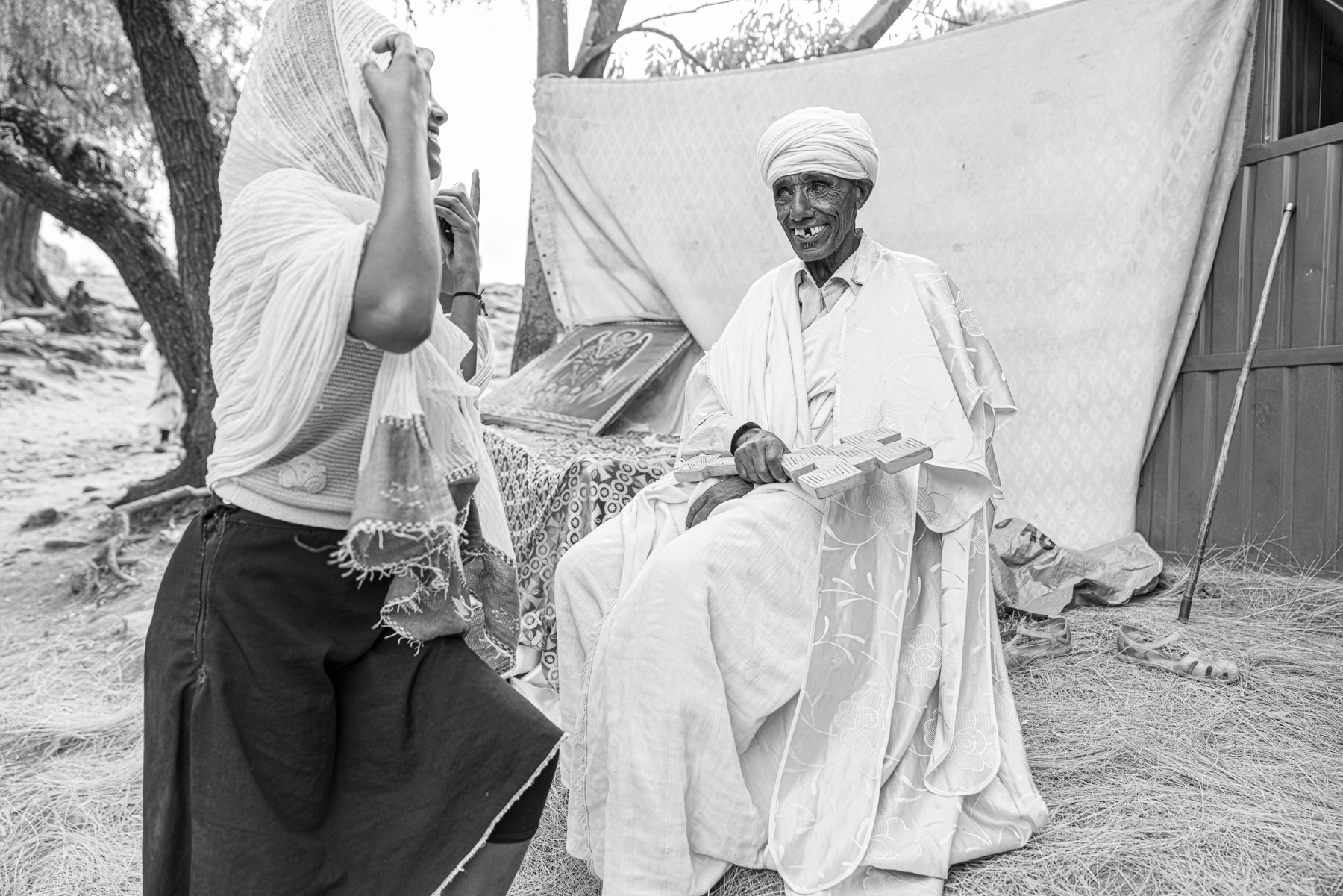
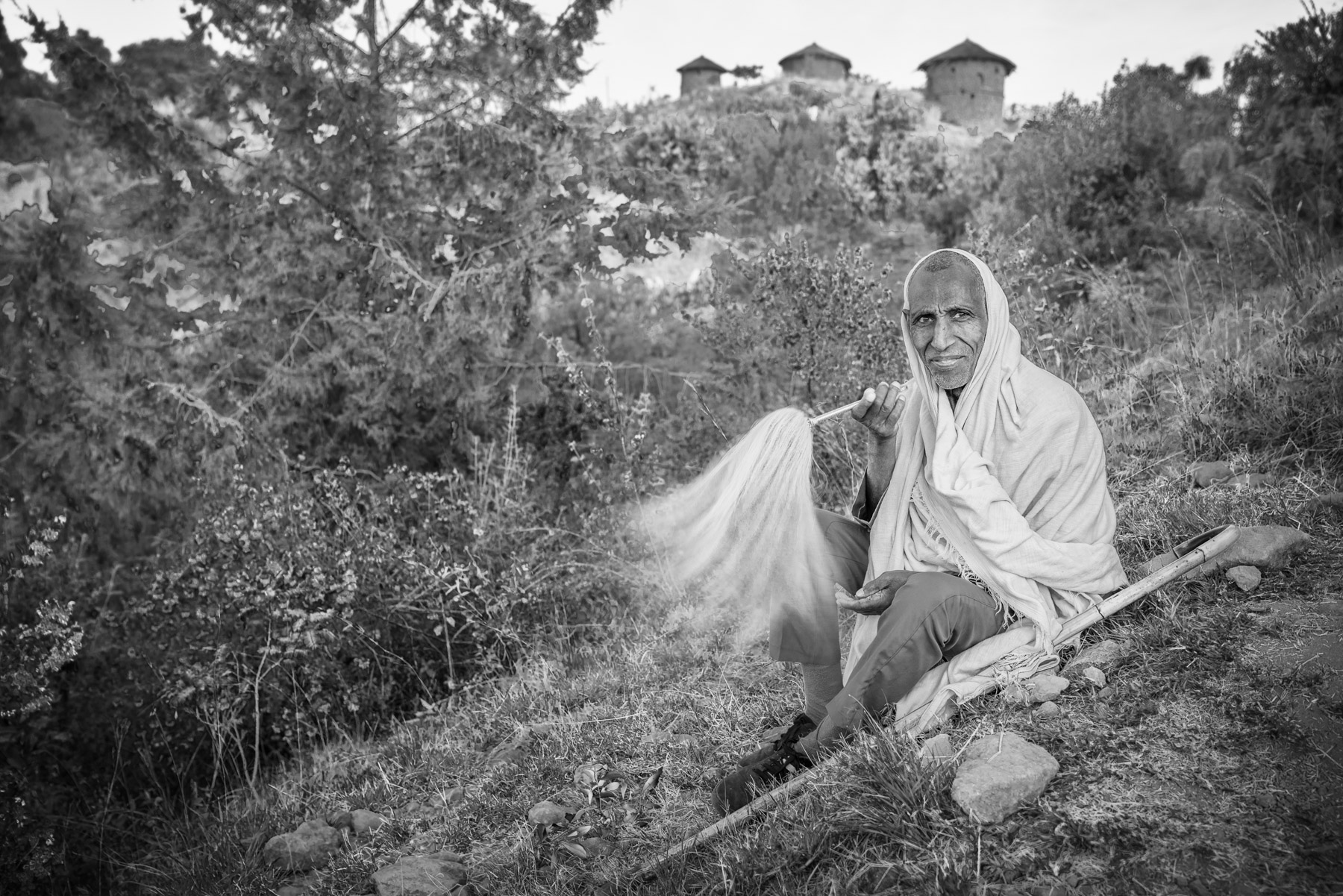
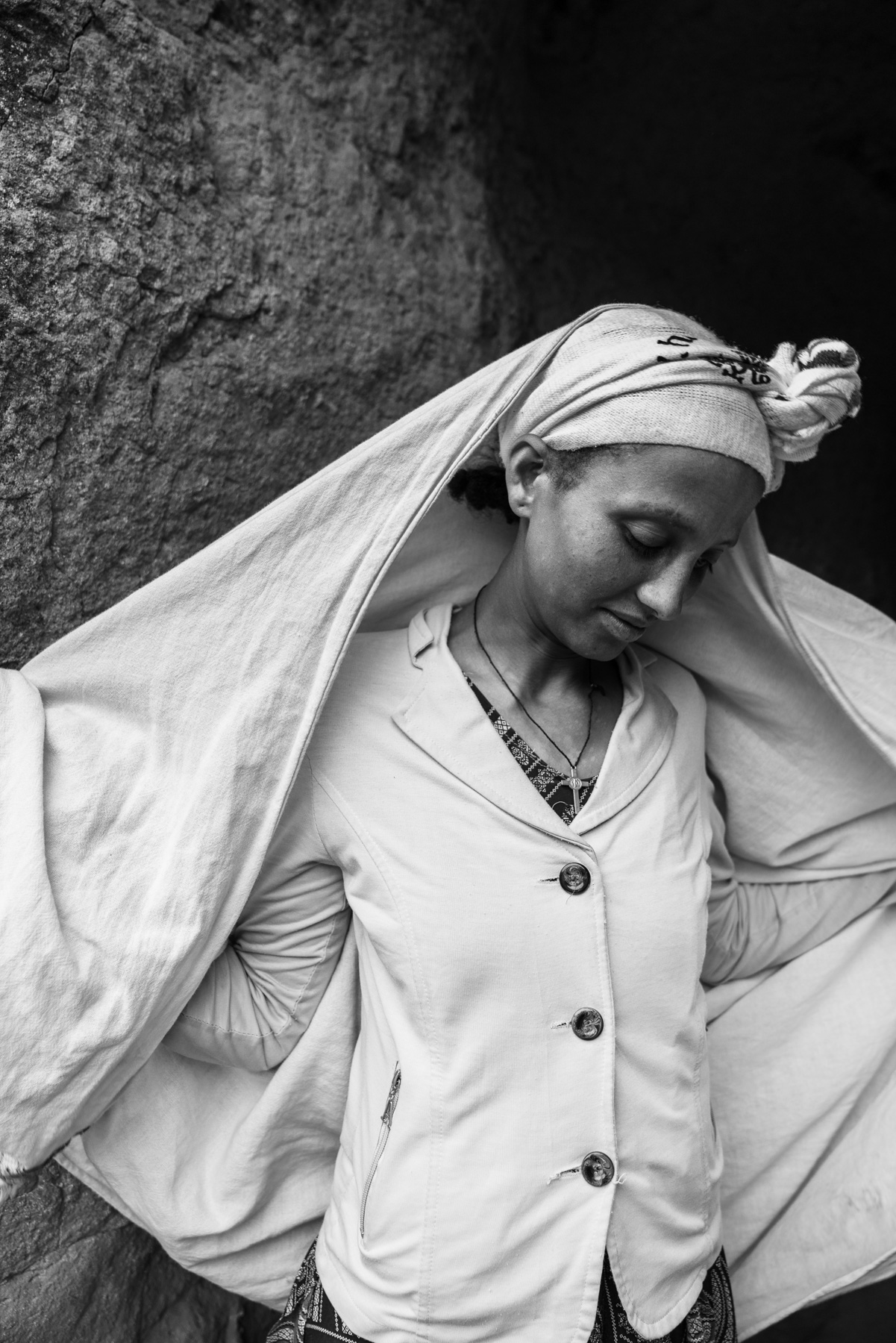
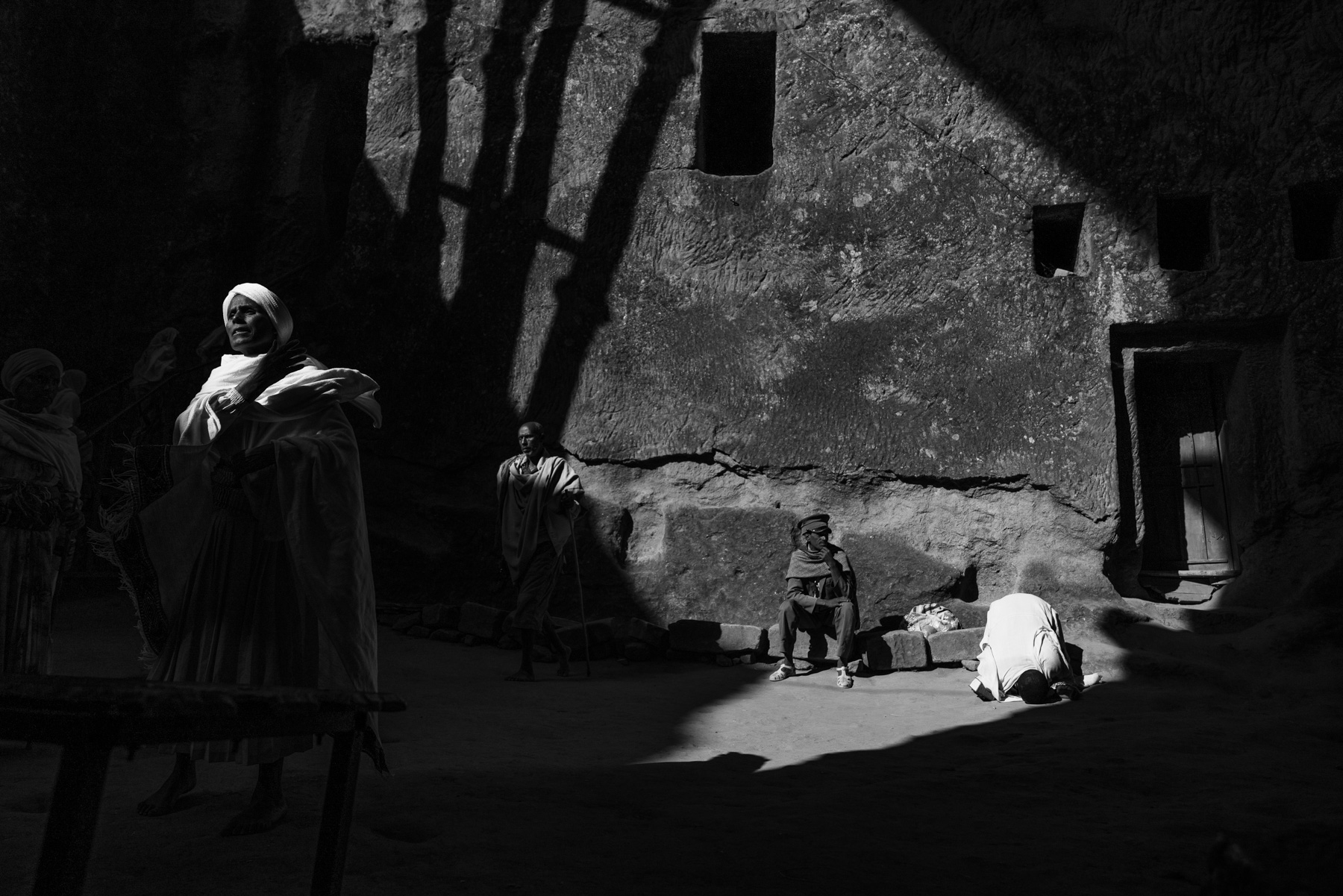
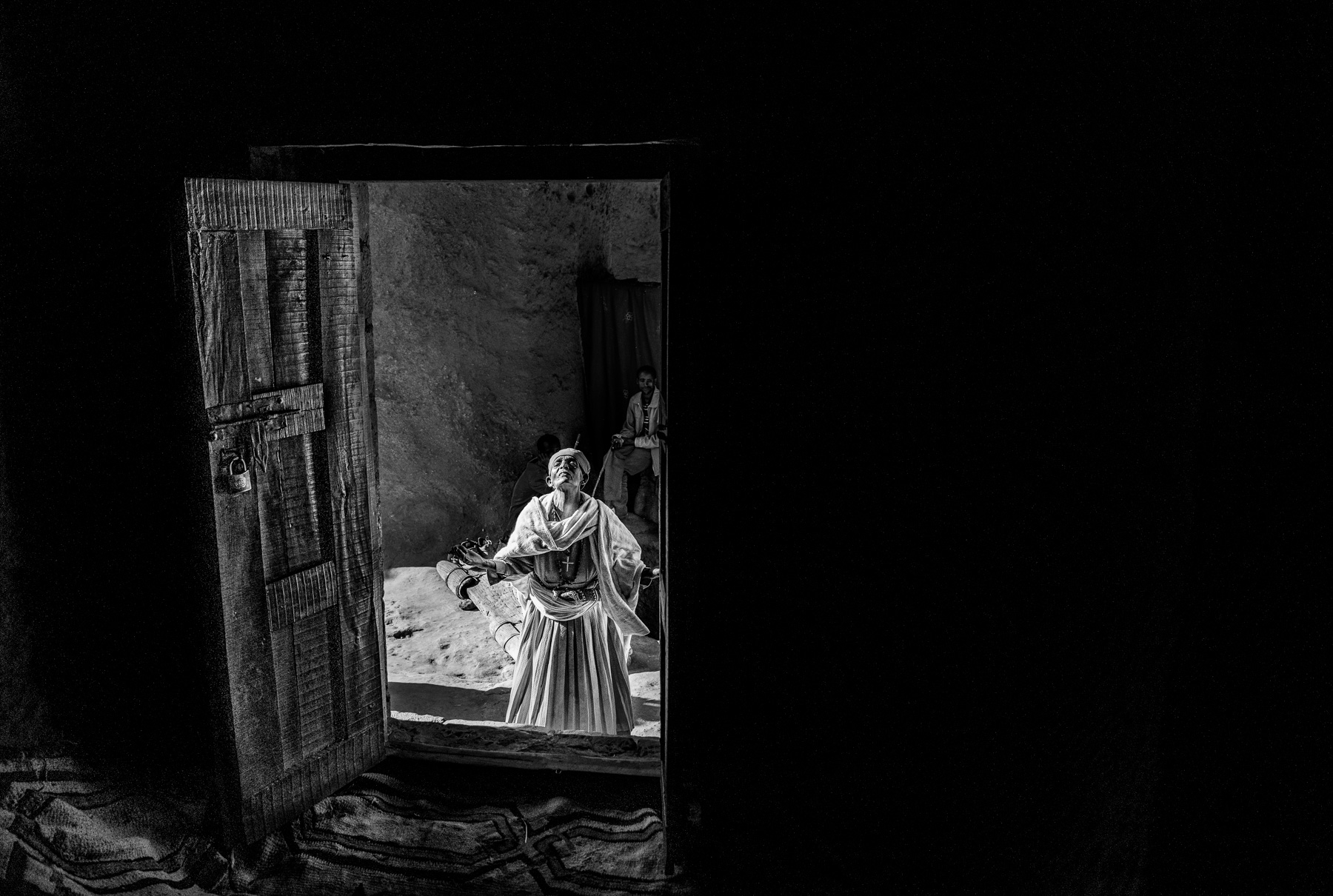
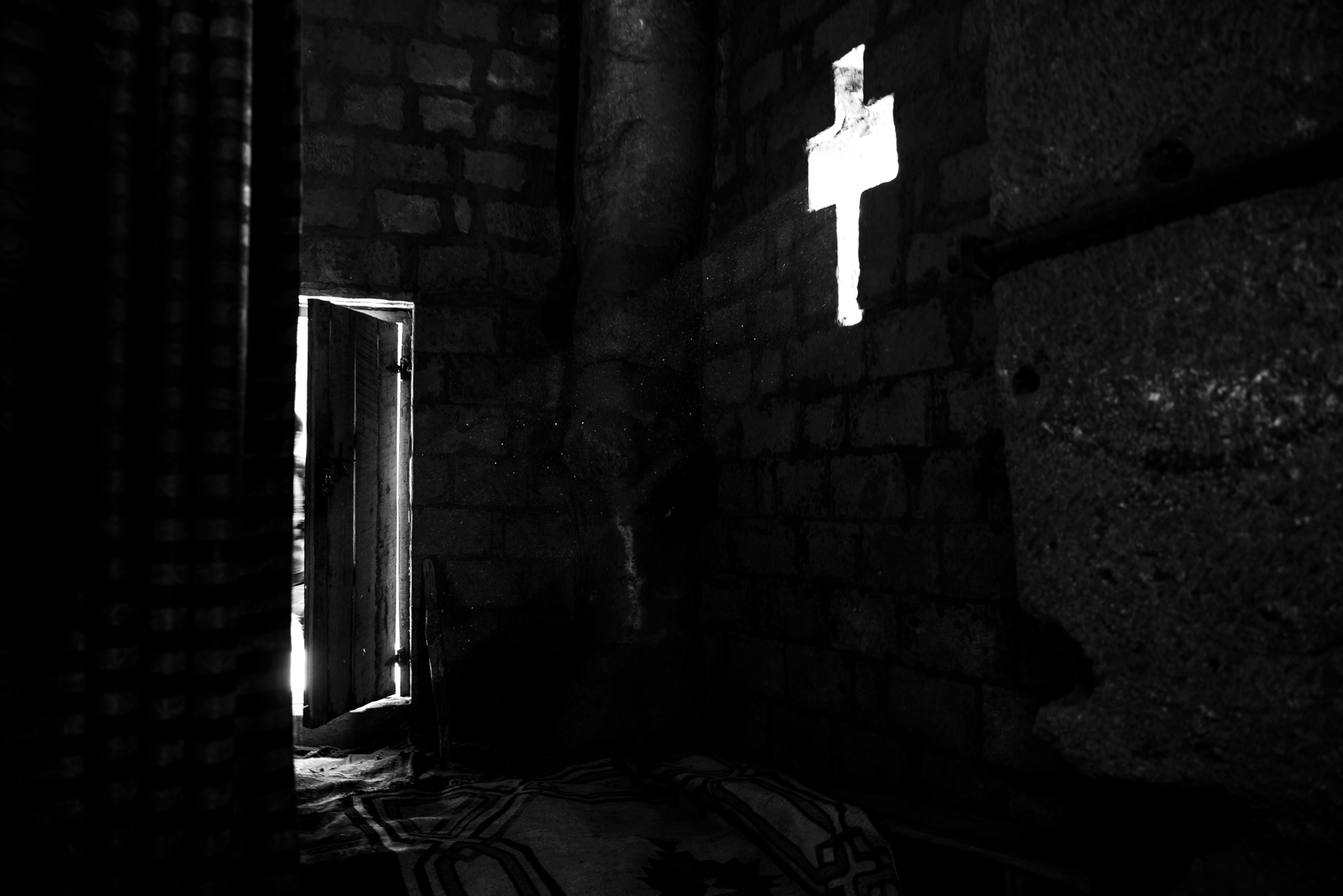
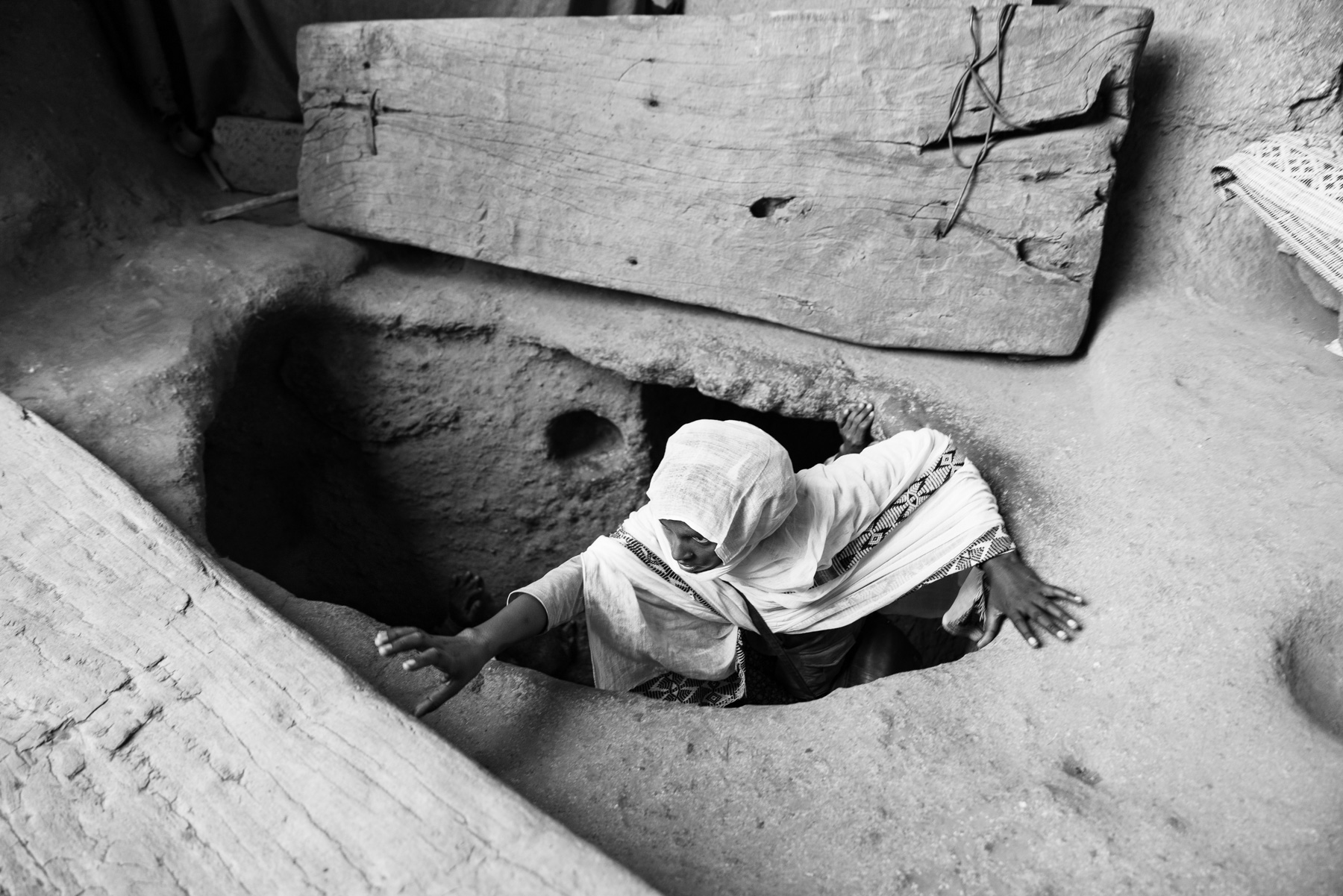
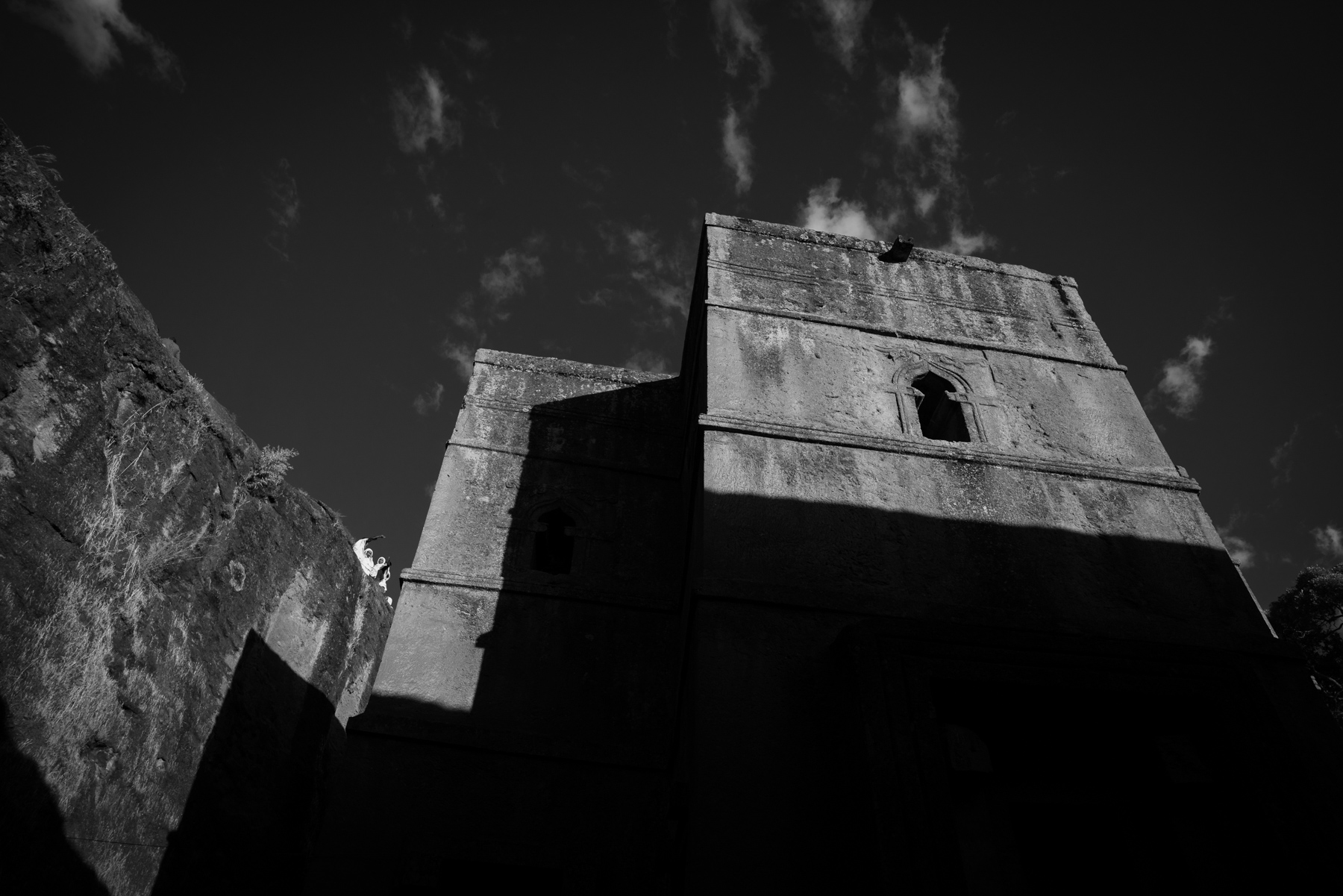
    For over 800 years, Christian pilgrims have journeyed to Lalibela, drawn by its rich traditions and breathtaking landscapes. During Ethiopian Christmas, the air is filled with a sense of timelessness, capturing the hearts of photographers and travelers alike.

    In this project, I embarked on a personal pilgrimage to document the profound rituals that unfold within Lalibela’s ancient rock-hewn churches. As I immersed myself in the ceremonies, I found myself pondering the lives of these devoted individuals: Who are they beyond their pilgrimage? What stories do they carry? What does devotion look like in their everyday lives?

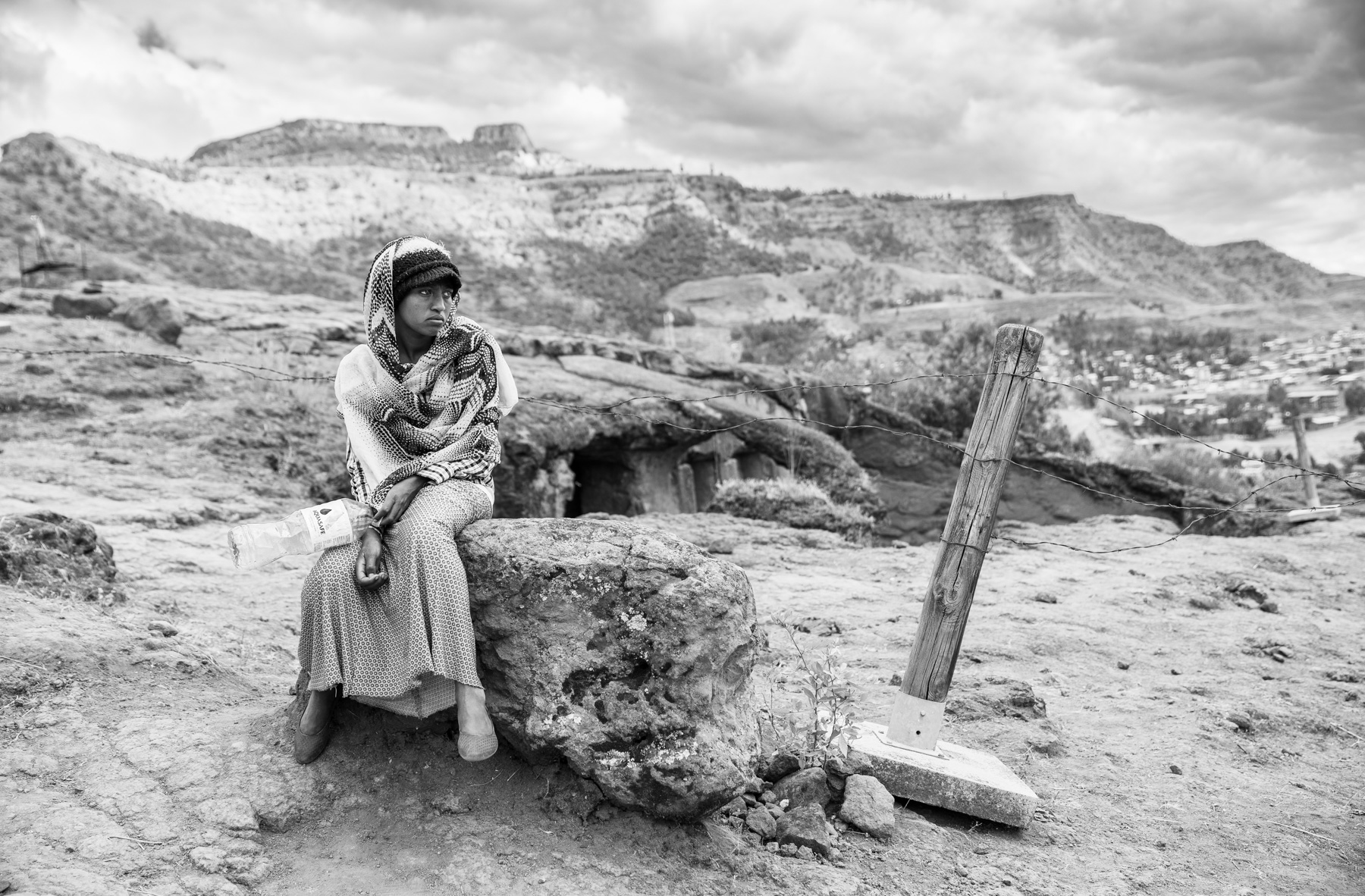
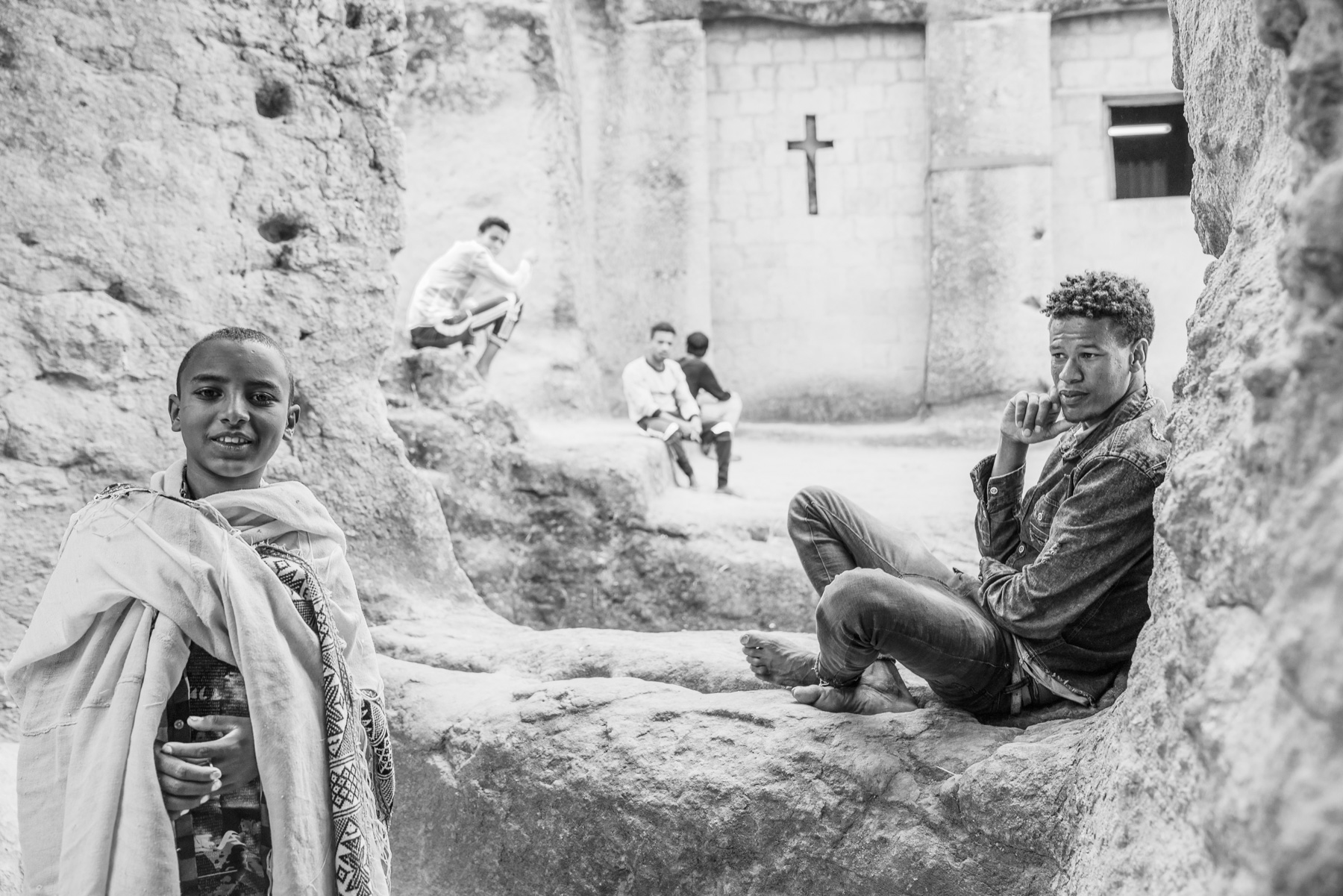
    To explore these questions, I ventured beyond the churches and into the rugged hills that surround Lalibela. There, I connected with families, children, and elders, listening to their narratives of life, faith, and perseverance. Our conversations revealed a shared humanity: a deep concern for the earth, the bonds of family, the importance of tradition, and the reverence for elders.

    In this landscape, I witnessed both the challenges of poverty and the wealth of spirit that defines their existence. The threads of connection I discovered in Lalibela continue to shape my artistic vision and understanding of life. Through this work, I hope to illuminate the hearts of the pilgrims who welcomed me into their world, leaving an indelible mark on my own.